Key Takeaways
- eCommerce SEO takes time but brings lasting results. Real SEO isn’t instant, thus, expect to see solid results in 3 to 6 months. A good SEO service builds long-term traffic that doesn’t rely on ads.
- The right SEO service provider customizes their strategy for your store. Every online store is different, so your SEO plan should be too. Avoid companies that offer cookie-cutter solutions that don’t match your goals or products.
- Always check their past work and reviews. Before choosing a service, ask to see case studies, real results, and speak with past clients if possible. This helps you avoid poor-quality agencies and choose one that actually delivers.

SEO service for eCommerce. Source: Chilliapple
What Is eCommerce SEO & Why Is It Important?
If you run an online store, you likely want customers to find your products on Google easily. That’s exactly what eCommerce SEO is for, as it helps your website show up when someone searches for the kinds of products you sell.
eCommerce SEO stands for search engine optimization for online stores. It’s a strategy to help your product and category pages appear in the organic (unpaid) search results on platforms like Google.
Let’s say someone searches “affordable men’s t-shirts.” If your online store sells those and has strong eCommerce SEO, your product page could show up on the first page of search results. That means more people can find you, click through, and (hopefully) buy.
That’s how your SEO service for eCommerce is committed to your goals, by implementing tasks like:
- Optimizing your product and collection pages with relevant keywords
- Improving your site speed
- Writing helpful and clear product descriptions
- Submitting your product data to Google Merchant Center
- Creating blog content that answers shoppers’ common questions
These tasks are often part of a professional eCommerce SEO service, which helps online stores grow their traffic and sales without spending on ads.
Why Is eCommerce SEO Important?
Because search visibility = potential sales.
When someone types a query into Google, 9 out of 10 times, they only click on results on the first page. If your website isn’t there, you’re missing out on traffic and customers.
In fact, a study by Backlinko found that only 0.63% of people click on results that appear on the second page of Google. That’s almost nobody.
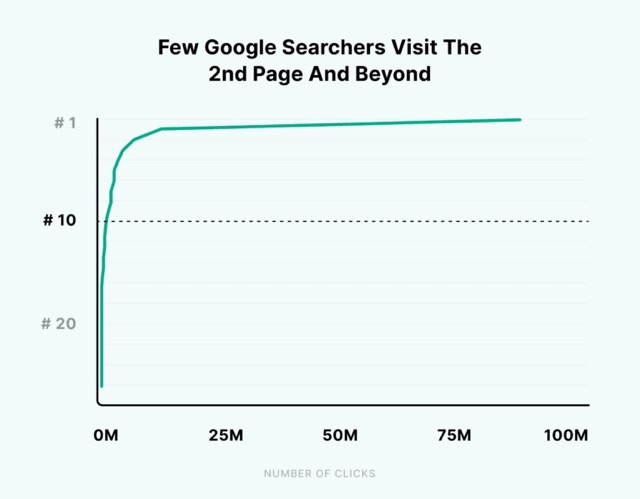
Backlinko’s study on Google searchers few clicks on the 2nd page of SERP. Source: Backlinko
If you want to compete with other online stores and generate steady, long-term traffic without relying solely on paid ads, investing in a solid SEO service or an eCommerce SEO service is a smart move.
The Role of eCommerce SEO Service
An eCommerce SEO service helps online stores appear higher in search engine results, such as Google, so more potential customers can find and purchase their products.
Instead of relying only on paid ads, these services focus on growing your organic traffic. Therefore, visitors who find your store naturally through search.
Key roles of the eCommerce SEO service include:
- Keyword Research: Identifies what your potential customers are typing into search engines and uses those terms to optimize your store’s content.
- On-Page Optimization: Updates product pages, collection pages, titles, meta descriptions, images, and URLs to make them search engine friendly.
- Technical SEO: Ensures your website loads quickly, is mobile-friendly, secure (HTTPS), and easy for Google to crawl and index.
- Content Strategy and Creation: Develops helpful blog posts, buying guides, and FAQs that attract visitors and answer their questions during the shopping process.
- Link Building: Builds backlinks from reputable websites to improve your domain authority and help your store rank higher in search results.
- Analytics and Reporting: Tracks keyword rankings, website traffic, and SEO performance to guide ongoing strategy and improvements.
How To Choose An SEO Service For An eCommerce Site
Step 1: Identify Your Goals
When you’re wondering how to choose an SEO service for my eCommerce site, the first step is to clearly define your business goals. You can’t find the right SEO partner unless you know what you want them to help you achieve.
For eCommerce businesses, that means thinking beyond just “getting more traffic.” The right eCommerce SEO service should support your store’s long-term success, from driving sales to enhancing user experience and expanding your brand online.
- Talk to Your Team and Stakeholders: Begin by gathering input from your marketing team, sales team, or any other stakeholders involved in your eCommerce operations. What are their expectations from an SEO service? Do they need to boost product visibility, increase traffic from Google Shopping, or enhance site speed?
- Set a Clear Budget: SEO is an ongoing investment. Most eCommerce companies set aside anywhere from $500 to $7,000 per month, depending on store size and scope. Be realistic about what you can afford and what level of service you expect in return.
- Define Your Pricing Preferences: Do you want a flexible, monthly SEO service plan, or a one-time audit and strategy? Agencies offer various pricing models, including retainers, fixed contracts, and hourly rates. Knowing what fits your business will help you filter faster.
- Know What You Want to Achieve: Do you want to rank higher for specific product keywords? Improve mobile performance? Boost conversion rates through better page optimization? Your goals should align with what the SEO service for eCommerce can deliver.
- Decide on Agency Location (if it matters): Would you prefer to work with someone in your region, or is the time zone not a concern? This can affect communication and response time.
- Look for Industry Expertise: Not all SEO providers specialize in online retail. Ensure the agency understands how eCommerce works, such as product feeds, conversion tracking, and optimizing category pages.
- Choose Custom Over Cookie-Cutter: A great eCommerce SEO service should offer a tailored plan. A one-size-fits-all approach doesn’t work in competitive online markets. Look for a service that analyzes your store and develops a customized strategy based on your unique structure, products, and target audience.
Step 2: Examine Their Offers
SEO isn’t a one-size-fits-all solution. What works for a local restaurant won’t work for an online fashion store. That’s why you need to look for an eCommerce SEO service that understands the unique challenges of your industry, like optimizing hundreds of product pages, managing Google Shopping feeds, and improving conversion rates.
For example, at ROI Digitally, we offer customized SEO outsourcing service solutions based on business type. We don’t just apply a generic SEO checklist; we tailor our strategy to match your market, audience, and store structure.

Invest in a trusted SEO service provider like ROI Digitally. Source: ROI Digitally
To examine whether the agency is reliable and best suited for your eCommerce store, look for their:
- Industry Experience: Does the agency specialize in eCommerce? Do they have experience working with brands similar to yours? A provider familiar with your sector will better understand your audience, your competition, and the keywords that convert.
- Service Breakdown: A quality SEO service for eCommerce should clearly list what it includes in its package. For example, on-page optimization for product and category pages, technical SEO (site speed, mobile usability, indexing), keyword research focused on buyer intent, structured data and schema markup, or link building and outreach campaigns.
- Customization Options: Can they tailor the SEO strategy to your store’s structure, catalog size, and goals? Be cautious of agencies offering overly cheap, fixed packages without understanding your site.
- Transparency and Communication: Do they explain how their SEO efforts will support your goals? A good agency should be clear about its process, how it tracks progress, and how often it reports on results.
- Proof of Performance: Look for client testimonials, case studies, and sample reports. These give insight into how they’ve helped other eCommerce businesses succeed.
You can find agencies through:
- Referrals from other business owners
- Google searches like “eCommerce SEO companies” or “best SEO agencies for online stores”
- Review sites like Clutch, G2, or Google Reviews
- Agency websites like roidigitally.com, which outline exactly what’s included in their SEO services
Avoid searching only for the cheapest option. Low-cost SEO services often skip important steps or use outdated tactics that can harm your site in the long run.
Step 3: Request For Portfolios
Now that you’ve outlined your goals and compared agency offerings, the next step in how to choose an SEO service for my eCommerce site is to ask for proof, the real examples that show what the agency has done for other businesses.
Just like you wouldn’t buy a product without checking reviews or photos, you shouldn’t hire an eCommerce SEO service without seeing results.
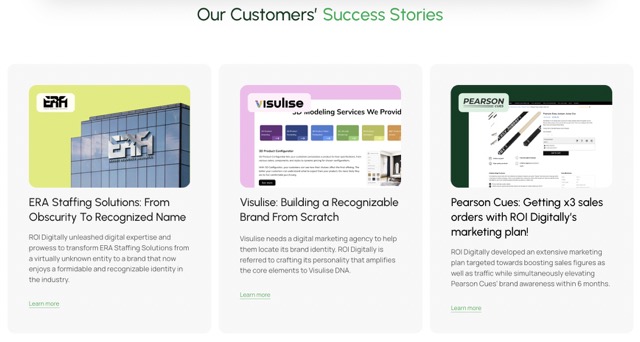
Check their portfolios to see actual works & results. Source: ROI Digitally
When inspect the SEO service’s portfolios, look for:
- Case Studies and Real Examples: Ask the agency for examples of SEO campaigns they’ve done for other eCommerce clients, such as increases in organic traffic, higher rankings for product or category keywords, growth in sales or conversions, and improvements in technical SEO or page speed.
- Client Reviews: Browse platforms like Google Reviews, Trustpilot, or Clutch to get a full picture. Don’t just focus on perfect scores, read both positive and critical feedback to see how the agency handles challenges.
- Certifications and Awards: Agencies with credentials like Google Premier Partner status or SEO awards (e.g. “Top SEO Company” on Clutch) have earned credibility for their work.
- Their Own Website: Does the agency’s site rank well? Is their content optimized? A solid SEO service for eCommerce should lead by example. Their own online presence should reflect the quality of work they promise clients.
- Industry Experience: Have they worked with eCommerce brands similar to yours? An agency with retail or product-based SEO experience will better understand buyer behavior, seasonal search trends, and how to optimize product feeds.
Step 4: Review Their Deliverables
After defining your goals, reviewing their past work, and checking agency fit, the next step in is to look closely at their deliverables.
Deliverables are the detailed list of what the agency will actually do for you, and they matter. A trustworthy eCommerce SEO service should clearly outline what you’ll get, when they’ll deliver it, and how it will help your store grow.
However, most SEO companies don’t list these details publicly, so you’ll likely need to contact them directly. The agency may also want to talk with you first to understand your goals before customizing a proposal.

A reliable eCommerce SEO service will bring significant results to your business. Source: SEO Toronto Experts
When reviewing what the agency offers, make sure their SEO deliverables include essentials like:
- SEO Audit: A deep dive into your website’s current performance, strengths, and SEO issues.
- Keyword Research: Research and targeting of the right keywords that your customers are searching for, especially product and category-related queries.
- On-Page Optimization: Updates to titles, descriptions, headers, and images for your product and collection pages.
- Off-Page Optimization: Link-building strategies to improve your domain authority and rankings.
- Technical SEO: Fixes for speed, mobile usability, indexing issues, and structured data (important for large eCommerce sites).
- Regular SEO Reporting: Monthly or bi-weekly updates on performance: keyword rankings, traffic, conversions, and tasks completed.
- Dedicated Point of Contact: One person or team assigned to your account to ensure smooth communication.
If you’ve already spoken with the agency, check if the deliverables reflect your specific needs. For example, if you mentioned wanting to improve Google Shopping visibility or optimize a large product catalog, those items should show up in your deliverables.
Not sure where to start with SEO for your eCommerce site?
Book a free 30-minute consultation with ROI Digitally and get expert advice tailored to your business goals.
Step 5: Avoid Common SEO Company Red Flags
When you’re figuring out how to choose an SEO service for my e-commerce site, it’s just as important to know what not to choose. The SEO industry has its fair share of red flags, especially from agencies that overpromise and underdeliver.
Here are some warning signs to keep in mind as you evaluate potential SEO partners:
- Unrealistic Timeframes: Be cautious of agencies that say they can get you top rankings in a few weeks. SEO takes time, typically 3 to 6 months, to see meaningful results like increased organic traffic and conversions. Real SEO service is a long-term investment, not a quick fix.
- Guaranteed Rankings: No SEO company can guarantee you’ll rank #1 on Google. Search engine algorithms are constantly changing, and rankings depend on many factors beyond anyone’s full control. Promises like “first-page in 30 days” are a big red flag.
- Lack of Transparency: A trustworthy SEO service for eCommerce will explain exactly what they’re doing and why. If an agency refuses to share its strategy, avoid it. You should expect clear reports, open communication, and regular updates.
- One-Size-Fits-All Packages: Every eCommerce business is different, so your SEO plan should be too. Avoid agencies that offer generic packages without understanding your products, audience, or goals. Custom strategies demonstrate that the agency is committed to delivering results tailored to your specific needs.
- Overuse of Automation Tools: Automation can make processes more efficient, but over-relying on it can lead to poor content, weak link-building, and campaigns that feel robotic or violate Google’s spam policies. A quality eCommerce SEO service uses tools to support, not replace, strategy and creativity.
Step 6: Consult & Ask Questions
The final step in choosing an SEO service for your e-commerce site is simple yet essential: speak directly with the agency. Before committing, schedule a call or video meeting to get a feel for how they work and determine whether they’re a good match for your business.

ROI Digitally offers a free consultation session & a customized strategy. Source: ROI Digitally
Here are some practical questions to ask during your meeting:
- How much time will you need from my team? Will they handle everything, or will your staff need to provide regular support?
- When should we expect to see results? Look for honest answers that reflect realistic timeframes—typically 3 to 6 months.
- Do you have experience with eCommerce businesses like mine? This helps you assess if they understand product pages, collections, and buyer intent keywords.
- What do your services cost, and what’s included? Ensure pricing is clear and that you understand exactly what deliverables you’ll receive.
- How do you approach SEO strategy? Are they following a set template or customizing the plan based on your store, products, and market?
How often will we receive reports, and what will they include? Reporting should cover traffic, rankings, conversions, and the specific SEO actions taken.

Jeng Nguyen has nearly 10 years of experience ranging from project management, operations, business development, customer service, content creation, video production, photography, website development, social media marketing, email marketing, advertising, SEO and sales.
Well-known as an ace Digital Marketing expert throughout various industries in Vietnam, Australia and the USA - Jeng is known for the success rate that he achieves whilst finding solutions tailored best for each unique business.
Jeng's mission is to revolutionize customer experience, starting with the journey of Attraction - Interest - Desire – Action. Together with a multi-expertise team at ROI Digitally, Jeng aims to provide businesses unprecedented breakthroughs in Return-on Investment from their customers.