
Key Takeaways
- AI Overviews prioritize sources that provide original insights, comprehensive answers, and clear value beyond what’s already available. To succeed, creators should anticipate follow-up questions, add case studies or examples, and publish content that is genuinely helpful.
- Following Google’s official guidance is essential. This includes ensuring pages are crawlable and indexable, using accurate structured data, and providing a clean page experience with fast load times, mobile optimization, clear navigation, and readable formatting.
- To learn how to optimize content for AI Overviews, start by diversifying content with images, videos, and updated business data for multimodal search. At the same time, maintain accuracy and transparency in all content, especially when using AI tools, since Google rewards quality, relevance, and trustworthiness.

Winning in AI Overviews requires a strategy that combines tactics between traditional SEO with AI-first optimization.
That’s exactly what ROI Digitally’s AI SEO Optimization Service delivers: a 2-in-1 solution combining SEO for long-term authority and AI SEO so your brand is cited in AI-generated answers. Dominating search today and tomorrow.
What Is AI Overview On Google?
Google AI Overview is a feature in Google Search that uses generative AI to provide users with quick, reliable answers directly at the top of search results. Instead of only showing a list of blue links, it summarizes the most relevant information into a snapshot, supported by clickable sources so people can dig deeper if they choose.
AI Overviews are designed to handle questions in many forms, typed queries, voice search, even images, and deliver concise, trustworthy responses. For content creators and businesses, this opens up a new way to be discovered online.
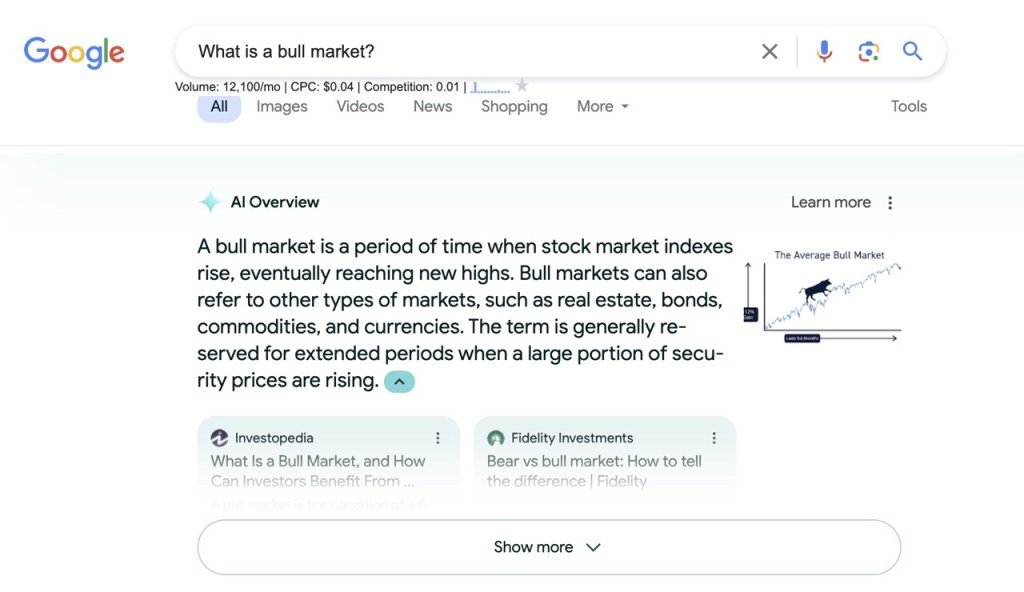
AI Overview on Google. Source: Torro Media
If your content is cited within an AI Overview, you gain high visibility and the potential for more traffic than from a standard search listing. That’s why it’s essential to optimize content for Google AI Overviews if you want to stay competitive.
The Rise of AI Overview
AI Overviews officially launched in May 2024, after nearly a year of testing under the name Search Generative Experience (SGE). The rebrand reflected Google’s push to make the feature more accessible and intuitive for everyday users.
Today, it’s available in over 120 countries and 11 languages, with English searches in the U.S. leading the rollout.
These summaries are most likely to appear for informational queries, the types of searches where people want explanations, comparisons, or step-by-step guidance. Instead of replacing websites, AI Overviews rely on them: Google pulls insights from multiple sources and highlights the most useful ones, driving clicks back to those sites.
Of course, the shift hasn’t come without debate.
Some marketers worry that Google is keeping too much attention on search itself. But Google insists the opposite, that pages featured in AI Overviews actually see more clicks than they would from appearing as a traditional listing. For those who adapt, the rise of AI Overview represents a powerful opportunity to capture new audiences.
The Use of AI Overview
AI Overviews don’t appear for every search. Google tends to use them most when people are looking for informational answers, not quick transactions.
- Industries with more AI Overviews: Healthcare and B2B technology, where users often ask detailed, knowledge-heavy questions.
- Industries with fewer AI Overviews: Restaurants, travel, and finance, since those queries are usually transactional (e.g., reservations, directions, prices) or fall under sensitive YMYL (Your Money, Your Life) topics.
AI Overviews also tend to show up alongside other SERP features rather than on their own such as:
- People Also Ask – appears in 99.5% of cases with AI Overviews
- Videos – 69.7%
- Featured Snippets – 59.5%
- Discussions & Forums – 58.8%
- Images – 30.5%
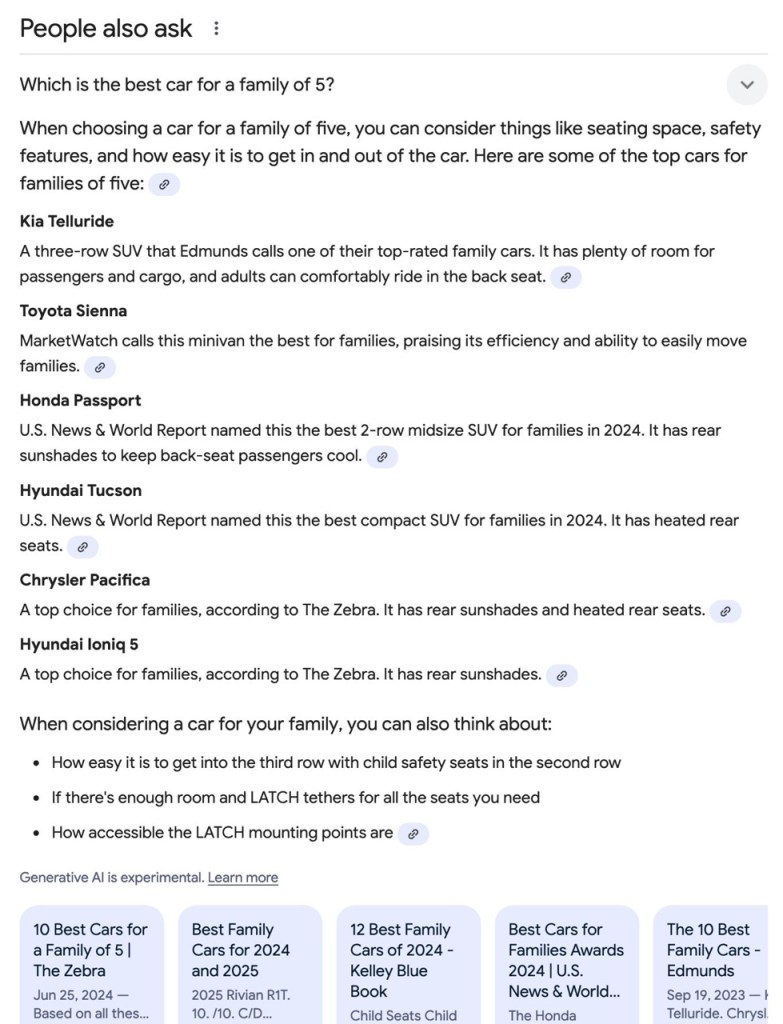
AI Overview on People Also Ask section Source: Search Engine Roundtable
This shows that Google usually triggers AI Overviews when a query has broad intent, questions with multiple possible answers or extra context.
For businesses and marketers, the takeaway is clear: if you’re already targeting features like Featured Snippets or People Also Ask, you’re also increasing your chances of being included in AI Overviews.
That’s why it’s so important to now how to optimize content for AI Overviews, because this feature is becoming the new way Google delivers trustworthy, easy-to-digest information while still linking back to the most valuable sources.
How to Optimize Content for AI Overviews
Google’s launch of AI Overviews is changing the search landscape. Instead of simply displaying a list of links, Google now generates AI-powered summaries that provide quick, reliable answers at the top of the results page. These summaries still link out to websites, but they highlight only the content that stands out as the most helpful and trustworthy. For site owners and marketers, the challenge now is figuring out how to optimize content for AI Overviews so your site can earn visibility in this new format.
The good news is that the fundamentals haven’t changed entirely. Google’s core mission remains the same: connecting people with outstanding, original content that provides unique value. However, the way content gets featured and discovered has evolved significantly.
Focus on Unique, Valuable Content
The foundation of optimizing for AI Overviews is the same as traditional SEO: content must be created for people, not algorithms. Google stresses that AI Overviews are designed to surface content that is not only relevant but also adds unique value. This means you cannot simply repeat what’s already widely available. If your article looks like every other page, it’s unlikely to be selected for an AI-generated summary.
To stand out, aim to produce in-depth resources that answer questions from multiple angles. Anticipate follow-up questions that users might ask and incorporate those answers within the same piece.

Master EEAT content is the primary step to optimizing for both AI SEO and traditional SEO. Source: Advertising Agency
For example, if you’re writing about how to optimize content for Google AI Overviews, don’t just stop at definitions, include:
- When AI Overviews are triggered
- What industries are most affected
- What best practices creators can follow.
- Original research, case studies, or practical examples.
Provide a Great Page Experience
Google’s official guidance makes it clear: even the most helpful article can fail if it’s published on a frustrating site.
A good page experience is essential whether visitors arrive via traditional search results or AI Overviews. If users land on your site and find it cluttered, slow, or confusing, Google is less likely to recommend it.
Improving page experience means prioritizing both speed and usability:
- Fast loading speeds – your site should load quickly across all devices to reduce bounce rates.
- Mobile-friendly design – since most searches happen on phones, your content must adapt seamlessly to small screens.
- Clear navigation – users should find the main information easily, without distractions from ads or cluttered sidebars.
- Readable formatting – short paragraphs, descriptive headings, and visual breaks like bullet points make content easier to scan.
Ensure Google Can Access Your Content
The process of how to optimize content for AI Overviews can never lack technical SEO. Google’s AI cannot summarize or link to your content if it cannot crawl and index your pages. The official guidance emphasizes meeting Google Search’s technical requirements, which means ensuring that your site is accessible, functional, and properly structured.
At a minimum, make sure Googlebot is not blocked from your important pages. Your server should return an HTTP 200 (success) status for accessible content, and the main information should be in indexable HTML rather than hidden behind logins or JavaScript. Regularly check Google Search Console for crawl errors, coverage issues, or indexing problems, and resolve them quickly.
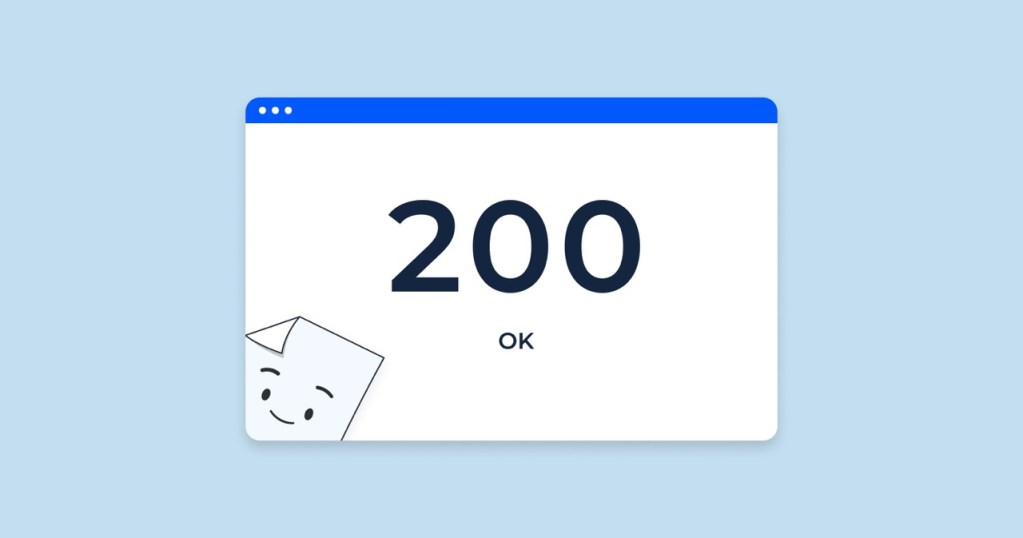
Make sure your server is at an HTTP 200 for Google to access and monitor. Source: Sitechecker
Without these technical foundations in place, efforts to optimize content for Google AI Overviews won’t pay off, because your content won’t even be eligible to appear.
Manage Visibility with Preview Controls
Not every publisher wants their content displayed in AI Overviews, and Google acknowledges this by providing preview controls. Site owners can use tags to control how their content appears in search, including AI formats, such as:
- Nosnippet
- Data-nosnippet
- Max-snippet
- noindex
While this offers flexibility, it also comes with a trade-off. The more restrictive your settings, the less likely your content will appear in AI Overviews at all.
Since Google has reported that links included in AI Overviews often receive more clicks than they would as regular blue links, most site owners will benefit from allowing snippets and previews.
Make Sure Structured Data Matches Your Content
Structured data has always been valuable for SEO, and it remains important for AI Overviews.
By using schema markup correctly, you help Google understand the context of your page, which makes it eligible for rich results and related SERP features. These features, such as Featured Snippets, People Also Ask, and Videos, are strongly correlated with the presence of AI Overviews.
The key is accuracy.
Google specifically warns against using structured data that doesn’t match what’s visible on the page. If you mark up information that users can’t actually see, you risk harming your credibility and visibility.
Instead, use structured data for elements like FAQs, product details, reviews, and how-to guides, and validate it with Google’s Rich Results Test. By aligning markup with high-quality content, you increase your chances of being pulled into AI-driven summaries.
Go Beyond Text for Multimodal Success
When aksing about how to optimize content for AI Overviews, remember, search is no longer just text-based. With tools like Google Lens and multimodal queries, users can now search using images, voice, and combinations of inputs. AI Overviews are designed to handle these types of queries too, which means your content should extend beyond written text.

AI overview isn’t simply text but other types of media as well. Source: Partoo
To optimize for multimodal success:
- Use high-quality images with descriptive alt text so both users and Google can interpret them.
- Embed short, relevant videos to explain complex processes or provide real-world demonstrations.
- Keep business data updated in Google Merchant Center and Business Profiles to ensure accurate product details.
- Diversify content formats to make your site more adaptable to AI-powered search experiences.
Focus on Accuracy, Quality, and Relevance
Google has warned repeatedly that spammy or low-value AI-generated content will not succeed. Their policies make it clear: generative AI can be helpful, but only if the final content is accurate, original, and relevant. Mass-produced, low-effort articles that add no unique value violate Google’s spam guidelines and are unlikely to appear in AI Overviews.
If you are using AI tools in your content process, always edit and fact-check carefully. For sensitive topics like health, finance, or legal advice, accuracy is especially critical. Metadata such as title tags, meta descriptions, and alt text should be clear, descriptive, and aligned with the page content.
Transparency also helps, if you use AI in content creation, consider sharing how it was used to provide context for readers. By prioritizing accuracy and quality, you align your site with what Google’s AI systems are designed to surface.
Understand the Full Value of Your Visits
One of the most interesting insights from Google’s guidance is that clicks from AI Overviews tend to be higher quality.
Since users already receive context from the AI-generated summary, they often click through with more specific intent. This makes them more engaged and more likely to convert.
Rather than focusing only on traffic volume, measure the real outcomes of your visits. Look at engagement metrics like time on page, number of pages visited, conversions, or sign-ups.
Even if AI Overview traffic is smaller in raw numbers, it may represent a more valuable audience for your business. Understanding this shift in user behavior helps you build a more realistic strategy for the AI search era.

An experiment on how AI Overview benefits a website’s presence. Source: Blend B2B
Evolve with Your Users
The final step is to accept that search will continue to evolve. Google reminds site owners that change is the only constant. From the early days of blue links to the introduction of featured snippets, voice search, and now AI Overviews, the search experience has always adapted to meet user needs.
To stay visible in AI-driven results, you need to evolve alongside your audience.
- Expect longer, more complex queries as users lean on AI Overviews for detailed answers.
- Plan for follow-up searches and cover related questions within your content.
- Write comprehensive resources that connect ideas instead of publishing thin, single-topic posts.
- Experiment with different formats, like text, video, visuals, to meet varied user needs.
Monitor Google’s ongoing updates to Search guidance, since best practices will continue to evolve as AI becomes central to search.