
Key Takeaways
- An external link, or outbound link, is any hyperlink pointing to another domain. When used wisely, it helps readers access trusted resources while signaling authority to search engines.
- Follow links pass ranking value (link equity), while nofollow links don’t. Both can be useful in external link building depending on context, such as citing sources, affiliate content, or comparisons.
- A strong SEO external link strategy includes linking only to high-authority sites, using clear anchor text, avoiding competitors and link schemes, opening links in new tabs, and keeping money pages free from distractions.
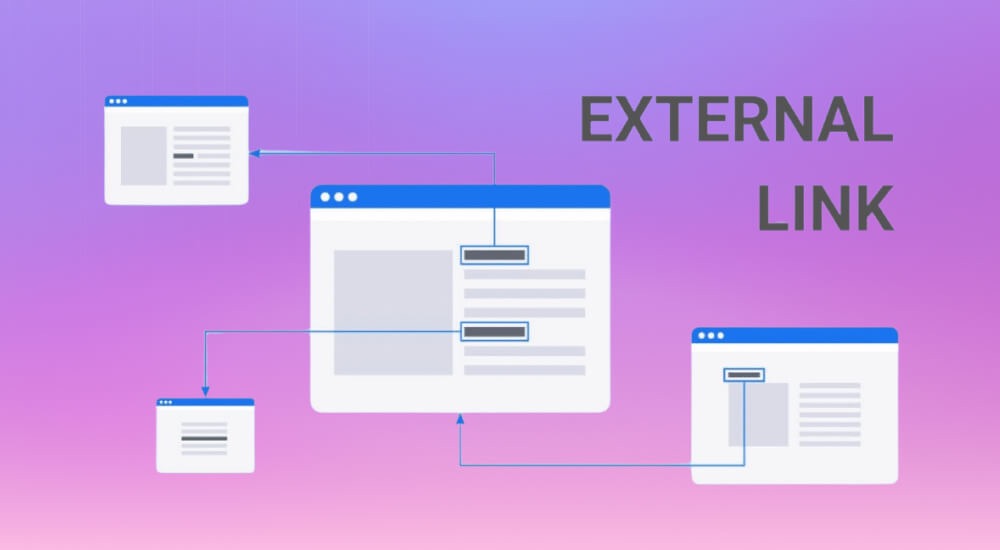
External links. Source: Mona Media
Not sure if your external link strategy is helping or hurting your rankings? Talk to ROI Digitally’s SEO professionals today. We’ll review your current approach, uncover missed opportunities, and guide you with a smarter link-building strategy. Book your consultation today!
What Is An External Link?
If you’ve ever wondered what is an external link, the answer is straightforward: it’s a hyperlink that takes you from one website to another.
Unlike an internal link, which keeps visitors moving around within your own site, an external link points to a completely different domain. For example, if your blog links to a research study on Forbes or Wikipedia, that’s an external link.
In SEO, external links, also known as outbound links, play a huge role. When your site links out to another, it counts as a backlink for the site you’re referencing.

Example of external links. Source: SE Ranking
From Google’s perspective, backlinks act like votes of confidence, signaling that the linked page has authority or value. This is why external links are often considered a key ranking factor.
Learn more: Internal Links: What It Is & Best Practices
But the importance of external links goes beyond rankings.
They help your readers discover related resources, fact-check information, and deepen their understanding of your content. Google’s own John Mueller has emphasized that linking to other websites is a simple but powerful way to provide value to users.
Of course, not all external links are created equal. Search engines evaluate them based on several factors:
- Trustworthiness of the linking domain – Is the site credible and authoritative?
- Popularity of the linking page – Does the page itself attract visitors and engagement?
- Relevance between the two pages – Are the topics closely connected?
- Anchor text used – Does the clickable text clearly explain what the link is about?
Type Of External Links
In external link building, it’s important to understand that not all links send the same signals to Google. The two main types are follow and nofollow links, and each serves a different purpose in SEO.
Follow Links
A follow link is the default type of external link. It tells Google to recognize the connection between your page and the page you’re linking to, passing on ranking signals (often called “link equity”).
This is why follow links are highly valuable in external link building, they act like votes of confidence, signaling to search engines that the linked page is trustworthy and relevant. For example:
<a href=”https://example.com”>Example</a>
Nofollow Links
Nofollow links, on the other hand, include a small attribute in the HTML that tells Google not to pass ranking authority to the linked page. In other words, you’re providing a link for users but signaling that you don’t fully “endorse” the site. For example:
<a href=”https://example.com” rel=”nofollow”>Example</a>
This doesn’t mean nofollow links are useless. Instead, they’re still valuable for user experience and context. You might use them if you’re linking to a competitor for comparison, citing a source you don’t fully trust, or marking a link as sponsored or affiliated.
Just keep in mind that Google now treats nofollow as a hint, not a strict rule, so it may still use these links for crawling and indexing when relevant.
Best External Links SEO Practices
1. Link to High-Authority Websites
One of the smartest moves in external link building is linking to trusted, high-authority websites. Some site owners hesitate because they fear “losing link juice,” but that’s a misconception. Google has never confirmed that linking out reduces your site’s authority.
In fact, relevant external links can make your content more useful, improve user experience, and even strengthen Google’s understanding of your topic.
When you reference reputable sources, such as industry leaders, research studies, or well-established publishers, you signal to both readers and search engines that your content is credible.
For example, linking to a government study in a health blog adds weight to your claims.

Link to high-authority pages to increase your content’s credibility. Source: Respona
That said, be selective.
Linking to poor-quality or unrelated sites can hurt trust, and giving link equity directly to competitor content may not serve your best interests. The goal is to link to pages that genuinely add value to your audience and reinforce your own authority in the process.
2. Use the Precise Anchor Text
Anchor text is the clickable part of a link, and in external link building, it plays a big role in both SEO and user experience.
Avoid of vague phrases like “click here” or “read more”. The right way to do is using descriptive words that clearly explain what the linked page is about. For example, if you’re linking to a Google guide on SEO, the anchor text could be “Google’s official SEO guide”.
The goal is to keep anchor text short, relevant, and natural within your content. Over-optimized or keyword-stuffed links can look spammy, while well-written ones help search engines understand context and make navigation easier for your readers.

Use anchor texts to precisely describe what you are linking to. Source: GHD Media
Think of anchor text as a signal: it tells users what to expect before they click and tells Google how the link relates to your topic. Using precise, descriptive anchor text consistently strengthens your external link building strategy while keeping your content smooth and trustworthy.
3. Try Not To Link To Competitors
In external link building, not every website deserves a link from your content. One of the biggest mistakes you can make is linking directly to competitors.
While it may feel natural to cite their resources, you’re essentially passing your visitors and some of your hard-earned SEO value to a competitor. That means fewer leads, less traffic, and weaker results for your own site.
As part of a strong SEO external link strategy, only link to authoritative sources that add value to your content without taking business away from you. For instance, if you run an online paper store, linking to another paper store’s buying guide isn’t smart.
Instead, you could link to a trusted printing company’s blog post or a research report that supports your point. This way, you enhance your credibility while keeping potential customers within your ecosystem.
Another key tip: avoid linking to competitors who target the exact same keywords as you. If your article is about “Best toys for dogs”, don’t link to the site already ranking #1 for that term.
To this this properly, you should link to supporting resources like videos, product guides, or educational pages that complement your content without competing for the same audience.
4. Avoid Link Schemes
One of the biggest risks in external link building is falling into the trap of link schemes. These are deliberate, manipulative practices designed to boost rankings with links. Yet, instead of helping your site, they often backfire and can get you penalized by Google.
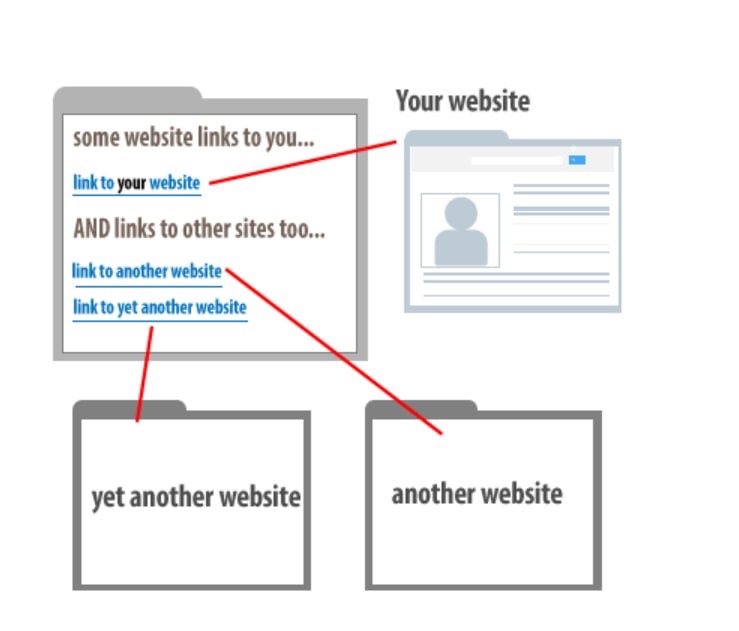
Example of link schemes. Source: feedthebot
Common link schemes include:
- Buying or selling links to artificially improve rankings.
- Exchanging too many links with the same sites in a “you link me, I’ll link you” pattern.
- Using automated programs to create links across multiple pages.
- Dropping links on low-quality directories or bookmarking websites just for the sake of having more links.
From an SEO external link strategy standpoint, these shortcuts might seem tempting, but they create a bad link profile that Google’s spam filters can easily detect. Once flagged, your rankings can drop, and it’s very hard to recover that trust.
Instead, focus on authentic link building. If you’re linking to sponsored or affiliate content, always mark those links with a rel=”sponsored” or rel=”nofollow” attribute. This tells Google you’re being transparent, and keeps your site safe from penalties.
Learn more: What Is Linkbait? 5 Successful Linkbait Campaigns You Can Follow
5. Allow “Open Link in New Tab”
When adding external links, a small but powerful detail in your SEO external link strategy is making sure they open in a new browser tab. Why?
Because it keeps your site in front of the visitor while still allowing them to explore additional resources.
If external links open in the same tab, users are forced to leave your site completely. This can reduce session time, hurt engagement, and even cost you potential conversions.
But when links open in a new tab, your site remains available, just one click away, so readers can return easily after checking the external resource.
It’s also about giving users control. By default, many visitors expect external links to open separately. It feels smoother, avoids interruptions, and ensures they don’t lose track of the page they were originally reading.
6. Don’t Link to Money Pages
Your money pages, like product or service pages, are where conversions happen. These are the pages designed to guide a visitor toward taking action, whether it’s making a purchase, booking a call, or signing up.

Money sites are technically your product or service sites. Source: VietMoz.net
Because of their role, they should stay focused entirely on your offer and not send users away.
Adding external links to these pages can be risky. Even if the link seems helpful, it creates a distraction at a critical moment in the customer’s journey.
Instead of completing the purchase, the visitor might click out, lowering your conversion rates.
This doesn’t mean external link building has no place on your site, it just means you should reserve external links for content-based pages like blogs, guides, or resources where they add genuine value. Keep your money pages clean, direct, and conversion-focused.
That way, you balance SEO practices with business goals and ensure your most important pages work as intended.
Strong external link building is one of the hardest parts of SEO, but it doesn’t have to be.
ROI Digitally’s SEO service helps you secure high-authority backlinks, optimize your link profile, and improve long-term rankings. Explore our tailored solutions and see how we can turn links into real results.
Frequently Asked Questions
- What are examples of external links?
Examples of external links include any hyperlink on your website that points to another domain. For instance, if you write a blog post and link to a study on Wikipedia, a news article on Forbes, or a resource on Google’s official site, those are external links. They guide your readers to useful sources outside of your own website, helping them find more information while also signaling trust and credibility to search engines.
- What is the difference between a local link and an external link?
A local link (more commonly called an internal link) connects two pages within the same website, like linking your homepage to a blog post. An external link, on the other hand, points to a page on a completely different domain.
For example, a link from yourwebsite.com/blog to yourwebsite.com/services is internal, while linking from yourwebsite.com to example.com is external.
- What is external and internal linking?
External linking is when you link to other websites outside your domain, often to cite sources or provide additional resources. Internal linking, however, connects pages within your own website, helping visitors and search engines navigate your content more easily.
Both are important: external links build credibility by showing you reference trusted sources, while internal links strengthen your site structure and guide users toward related or important pages.
- What is another word for external links?
Another common term for external links is outbound links. Some people also call them backlinks, though that term usually refers to external links pointing to your site from others. Outbound links specifically describe the links you place on your site that lead visitors to other domains.