
Key Takeaways
- Search rankings change frequently, especially after Google updates or when search intent shifts. This is called SERP volatility, and it’s something every site experiences. Tools like SEMrush or Ahrefs help track these changes so you’re not caught off guard.
- Old content or having multiple pages competing for the same keyword (called cannibalization) can confuse Google and cause search engine volatility. Keep content fresh, focused, and relevant to stay competitive.
- If your site has broken links, blocked resources, or indexing issues, Google may not display your content at all. These technical issues often trigger SERP feature volatility. Regular audits help you stay search-friendly.

SERP Volatility. Source: LinkedIn
Need help stabilizing your SEO performance?
Let our team at ROI Digitally help you monitor SERP volatility and improve your rankings with smart, data-driven strategies.
What Is SERP Volatility?
To simply explain what is SERP volatility, SERP volatility is like checking how much websites move up or down in Google search results each day. If rankings are jumping all over the place, that means high SERP volatility. If they stay mostly the same, that’s low volatility.
So, what causes these changes? Things like Google rolling out a new algorithm update, people searching differently, or new competitors entering your space can shake things up.

How a SERP volatility looks like. Source: Ahrefs
There are two main types of search ranking fluctuations to look out for: multi-keyword flux and single-keyword flux.
- Multi-keyword flux
This happens when multiple keywords across your site start gaining or losing positions all at once. It’s often linked to larger causes, such as algorithm updates, shifts in search intent, or general search engine volatility.
If you notice traffic dropping across several pages, you’re likely seeing this kind of flux. It’s usually a sign that something bigger is changing in the SEO landscape.
- Single-keyword flux
On the other hand, single-keyword flux affects only one page or keyword. Maybe you’re ranking for a high-value term, like a product name or your brand, and suddenly that ranking starts bouncing around.
This kind of serp feature volatility might be tied to outdated content, page performance issues, or even a competitor optimizing better for the same term.

Multi keyword & Single keyword. Source: MDPI
3 Levels Of SERP Volatility

SERP Volatility by level. Source: Search Engine Roundtable
Normal Volatility (Level 1–3)
At this level, search rankings experience only minor or routine shifts. It represents a stable and predictable search environment where SEO strategies perform consistently. If your website is seeing steady traffic and no major ranking jumps, it’s likely operating under normal volatility.
High Volatility (Level 4–6)
This level suggests moderate changes in the SERPs. While most positions remain relatively steady, some noticeable movement occurs, often due to minor Google updates, seasonal search trends, or shifts in user behavior.
During periods of high volatility, it’s essential to maintain your SEO fundamentals, such as creating high-quality content and keeping your technical SEO in good shape.
Very High Volatility (Level 7–10)
Significant and frequent shifts in rankings indicate very high volatility. This often signals a major algorithm update or a series of ongoing changes from Google. Websites may experience sudden gains or losses in traffic.
In these situations, it’s crucial to monitor your performance closely and be prepared to adjust your SEO strategy as needed.
The Causes Of SERP Volatility
- Algorithm Updates
If you’ve noticed your website’s rankings suddenly shift, it’s rarely random. One of the biggest reasons behind SERP volatility, also known as search engine volatility, is Google’s algorithm updates.
Search engines like Google are constantly refining their algorithms to deliver better results for users. These changes can be small tweaks or major overhauls, but either way, they often shake up the search results.
This is what creates SERP feature volatility, where rankings and even the layout of results can change quickly.
Take Google’s core updates as an example.
The August core update aimed to boost content from smaller, independent publishers. It was rolled out gradually over a month, causing extended ranking shifts across many industries.
Similarly, the March 2024 core update took 45 days to complete and targeted manipulative, low-value content, causing significant volatility in the SERPs.
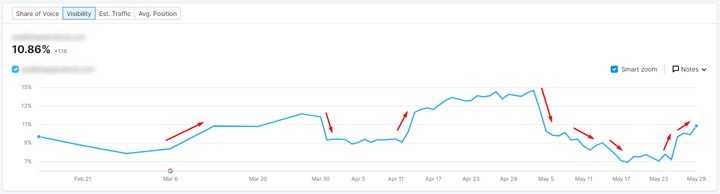
Google updates will somehow cause volatility. Source: Glenn Gabe
While Google usually announces major updates in advance, smaller updates often go live without any warning. In some cases, entire pages get deindexed simply due to evolving search quality standards, leading to unexpected ranking drops.
Learn more: 10+ Important Google Algorithms That SEOers Must Know
- Outdated Content
One common cause of SERP volatility is outdated content. Search engines like Google are always trying to give users the most up-to-date and relevant information.
If your page hasn’t been updated in a while, you might start to see ranking drops, that’s where search engine volatility comes into play.
When other sites publish fresher, more useful content, they often receive better rankings. This is especially true for keywords tied to trending topics or time-sensitive information.

Regularly updated content will help to reduce fluctuation. Source: Zapier
Google actually calls these “queries that deserve freshness,” meaning users are specifically looking for new and up-to-date content.
If your page has broken links, outdated information, or outdated references, it’s more likely to slip in the rankings, especially when competing content is regularly updated. This shift in ranking creates SERP feature volatility, where your page may lose visibility while newer content rises.
To reduce the impact of this kind of volatility, regularly update your key pages, check for broken links, and keep your information relevant. In today’s fast-moving search landscape, staying current is just as important as being accurate.
- Index Issues
Another common reason behind SERP volatility is crawling and indexing issues.
In simple terms, if Google can’t properly access or understand your web pages, your content might not show up consistently, or at all, in search results. This causes noticeable ups and downs, also known as search engine volatility.
Sometimes, it’s a technical problem. If important resources, such as JavaScript or CSS files, are blocked, Google may not be able to render your page correctly.
As a result, it misreads the content or structure, leading to ranking drops or sudden changes, what we call SERP feature volatility.
Even if your content is of high quality, these behind-the-scenes issues can still affect your visibility.
To avoid this, ensure your site is crawlable, key resources are not blocked, and that your sitemap and robots.txt files are correctly set up.
- Cannibalization
Cannibalization is another sneaky cause of SERP volatility that many site owners overlook. It happens when you have multiple pages on your site targeting the same keyword or search intent.
Instead of helping your SEO, this actually creates confusion for search engines.
After Google’s 2019 diversity update, the algorithm began favoring one result per domain on a single search results page, unless the content was extremely relevant.

Stabilize cannibalization to help with volatility. Source: Mangools
So if two of your pages are competing for the same topic, Google may constantly switch between which one to rank. This leads to search engine volatility, where your rankings fluctuate without warning.
You’re not just competing with other websites, you’re also competing with yourself!
Learn more: Keyword Cannibalization: How to Find, Fix, and Prevent It
- Search Intent Shift
One of the biggest drivers of SERP volatility is a change in search intent, in other words, what users are actually looking for when they type in a keyword.
When search engines like Google detect a shift in what people expect to see, they begin testing and reshuffling results. This constant trial-and-error process creates search engine volatility, where rankings move unpredictably.
For example, take the keyword “LLM.” A few years ago, most users searching for this term were looking for information about “Master of Law” programs. But after the rise of AI and tools like ChatGPT, the dominant meaning shifted to “Large Language Models.”
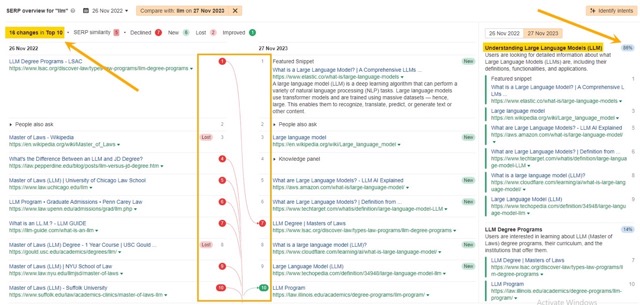
Search intent can seriously cause SERP volatility. Source: Ahrefs
As user behavior changed, Google adjusted the search results to reflect that new intent.
The result?
Major SERP feature volatility, with top-ranking pages changing multiple times and older content losing visibility.
These changes don’t always happen overnight. Sometimes, they evolve slowly, like the shift in the keyword “website traffic,” which gradually moved from informational articles to lists of tools over a few years.
Other times, the change is sudden, especially for trending topics that “deserve to be fresh.” In both cases, the SERP becomes unstable as Google works to understand what users now want.
When intent is unclear or evolving, rankings can flip frequently, and even well-optimized pages may drop. To stay competitive, it’s essential to monitor keyword trends, reevaluate your content’s intent match, and be prepared to adapt as the search landscape changes.
Understanding shifts in search intent is essential if you want to make sense of SERP volatility and keep your content aligned with what users and search engines really want.
Learn more: How Does AEO Differ From Traditional SEO? A Comprehensive Comparison
How To Fix SERP Volatility
- Keep Your Content Updated
When it comes to managing SERP volatility, one of the most effective things you can do is keep your content fresh and up to date. You don’t have to sit back and accept ranking drops; small updates can make a big difference in stabilizing your position in search results.
Search engines like Google prioritize up-to-date, helpful content.
If your page hasn’t been touched in months (or years), and others are publishing newer, more relevant content, you’re likely to see some search engine volatility. That means rankings might bounce around or slowly decline.
To avoid this kind of SERP feature volatility, regularly update your content:
- Refresh old stats and examples
- Add new insights or FAQs
- Replace broken links
- Recheck how well your page matches search intent
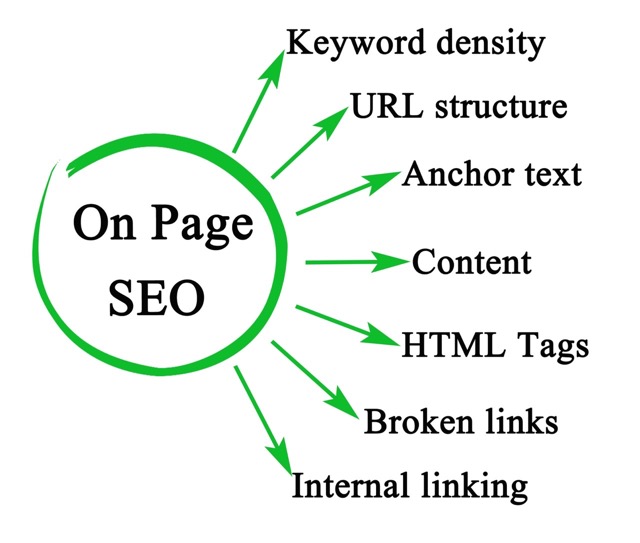
Strictly follow a qualified content checklist. Source: New Path Digital
Speaking of intent, monitoring search intent is key.
If the reason people search a keyword has changed, your content needs to change, too.
Tools like “Identify Intents” can help you compare your content to what currently ranks, so you can better align with what users (and Google) expect.
Learn more: 7 Best AI Content Creation Tools
- Deal With Cannibalization
One sneaky cause of SERP volatility is content cannibalization, when multiple pages on your site compete for the same keyword or topic. It can confuse Google and cause your rankings to change between pages, leading to search engine volatility and unstable traffic.
The solution? Be intentional with what you publish.
Before creating new content, check what you already have. You can do this with a simple Google site search like:
site:yourdomain.com “your keyword”
This shows all your current pages mentioning that keyword.
For example, if your site mentions “SERP volatility” on 10 different pages but none go in-depth, you have an opportunity to build one strong, focused piece without overlapping others.
Also, SEO tools like Ahrefs let you spot SERP feature volatility caused by cannibalization.
Use their “Multiple URLs” filter to see if you’re ranking with more than one page for the same keyword. If so, consider combining or reworking the pages so Google knows which one to prioritize.

Multiple URLs feature on Ahrefs. Source: Ahrefs
- Troubleshoot Technical Issues
If your rankings are bouncing around and you’re seeing signs of SERP volatility, it might be time to look under the hood. Technical issues are a common cause of search engine volatility, especially after Google rolls out a major update.
For example, when Google’s Site Reputation Abuse update hit sites using shady link-building tactics, many websites lost visibility overnight. The only way to recover? A full technical audit to identify and fix problems.
Running a site audit helps you spot issues like:
- Broken links or pages that don’t load
- Poor mobile performance
- Blocked resources (like CSS or JavaScript)
- Problems with indexing or crawlability
These technical glitches can confuse Google and cause SERP feature volatility, where your content shows up inconsistently, or not at all, in search results.
If you’re unsure where to start, following a detailed audit checklist can help walk you through the process. By resolving technical issues, you make it easier for search engines to understand and trust your site, which can lead to more stable rankings over time.
Learn more: What Is Technical SEO? A Deep Dive Into SEO Factors
Frequently Asked Questions
- What is SERP volatility?
SERP volatility refers to how much search rankings change in Google’s search results over time. When rankings shift a lot, up or down, it means high volatility. This often happens after algorithm updates, changes in user behavior, or the appearance of new content.
Watching SERP volatility helps you understand when and why your website’s visibility might rise or fall.
- What is Google ranking volatility?
Google ranking volatility is the movement of websites within search results. If your site jumps from position 3 to 10 or back up in a short time, that’s a sign of volatility. It usually signals updates in Google’s algorithm or a shift in what users want to see for a search term.
- How do you analyze SERP?
To analyze SERP (Search Engine Results Page), start by checking what types of content are ranking, blogs, videos, product pages, etc. Then compare that to your page to see if it matches the intent. SEO tools like SEMrush, Ahrefs, or Moz can also show you keyword rankings, volatility trends, and which features, such as featured snippets or People Also Ask, are appearing.

Jeng Nguyen has nearly 10 years of experience ranging from project management, operations, business development, customer service, content creation, video production, photography, website development, social media marketing, email marketing, advertising, SEO and sales.
Well-known as an ace Digital Marketing expert throughout various industries in Vietnam, Australia and the USA - Jeng is known for the success rate that he achieves whilst finding solutions tailored best for each unique business.
Jeng's mission is to revolutionize customer experience, starting with the journey of Attraction - Interest - Desire – Action. Together with a multi-expertise team at ROI Digitally, Jeng aims to provide businesses unprecedented breakthroughs in Return-on Investment from their customers.