
Google updates its algorithm frequently, so keeping up with these changes is essential to improve your website’s visibility. While many updates are subtle, some significantly impact search results. For those wondering how to rank for a keyword in 2024, we are here to help.
This article will explore simple steps to navigate Google’s algorithm and boost your website’s position in the competitive online landscape. So, stay tuned and empower your website!
Step 1: Measure Your Rankings
A crucial starting point to rank for a keyword, perhaps the most obvious, is assessing your rankings. It’s challenging to measure your progress and improvements without a clear understanding of your baseline keyword performance.
You should export this valuable keyword data and maintain it for future reference. At the very least, it serves as evidence of your SEO advancements.
What you need to do is evaluate your keyword rankings, export keyword data from Google Search Console, and gather landing page traffic details (both organic and total) from Google Analytics. This analysis will reveal:
- Your most valuable keywords and landing pages.
- Immediate opportunities for enhancement.
- Keywords and landing pages that need improvement.
Concentrate on improving keywords ranking between positions 5 and 15, where you’re on the brink of Page 1 or at the top of Page 2 on Google. Boosting these terms to the top of the first page on Google is more achievable, giving you quick results.
Step 2: Do The Keyword Research
As we’ve located strengths and areas to improve, you need to target the right keywords and also research for new opportunities. Effective keyword research involves aligning your target keywords with overarching business goals and understanding their search intent and ranking difficulty. Here’s a detailed guide:
Optimal Keyword Search Volume
Finding the right balance in keyword search volume is essential when doing keyword reseach. The rule of thumb is to avoid keywords with low relative search volume, especially when a more popular counterpart exists.
For example, comparing searches for “web design jobs” and “web design careers,” it’s clear that choosing the term with broader appeal can give better results.
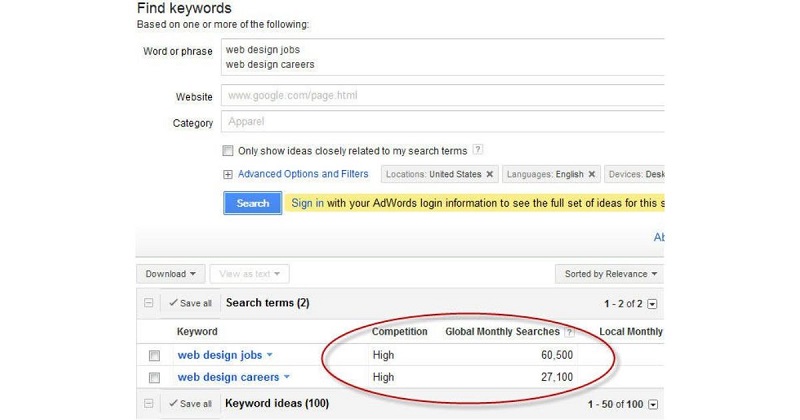
However, the decision isn’t solely about opting for the keyword with the highest volume. Some high-volume keywords might be overly competitive, making it impractical to invest time and resources. Thus, use keyword research tools like Keyword Magic Tool or Keyword Explorer to get comprehensive insights into your chosen keywords.
Relevance to Your Business Model
To rank for keywords more quickly, another thing to consider is the relevance of chosen terms to your business and website. Thus, prioritize keywords that resonate with your site and business objectives.
The actual value of rankings lies in their ability to drive meaningful traffic and generate leads. For example, a party planning business targeting “how to cook for a party” aligns with its services and target audience, whereas “how to cook chicken” may not be as relevant.
Adding LSI Keywords
LSI keywords, an advanced on-page SEO tactic, play a significant role in current strategies. These words and phrases relate to your page’s topic, providing context to search engines like Google. Including LSI keywords confirms the thematic relevance of your content to Google.
To leverage this approach, consider using LSIGraph, a free SEO tool. Enter your main keyword, and the tool will generate a list of relevant LSI keywords like this:

Using keywords in this list enhances the depth of your content and increases your chances of ranking on Google’s first page. Also, remember to cross-reference organic keyword research with paid advertising data to uncover new opportunities and fill gaps.
See more: Long-tail keywords
Step 3: Check Out the Competition
After choosing a keyword, search on Google and other search engines to analyze your competition thoroughly. Pay attention to the following aspects:
- Domains and URLs: Review the appearance of exact match domains within the top results. Consider whether the keyword is in every URL to measure its importance.
- Titles: Look how your competitors create title tags with the chosen keyword. Analyze how they make their titles eye-catching and engaging.
- Content Types: Filter the content formats ranking prominently, whether product pages, blog posts, videos, or other types.
- Business Types: Observe the variety of businesses that hold top positions—are they well-established brands, small enterprises, or news sites?
- Authority Assessment: Use plugins to measure the authority of the top-ranking sites. Also, assess site age and explore the size and quality of their link profiles.
In your analysis, look for chances to distinguish yourself. To outperform your competitors, aim not only to meet but to surpass their efforts.
Strive for a superior approach, ensuring that your content is not just equal but significantly better in providing value and relevance. This in-depth examination is crucial in developing a strategy that stands out in the competitive digital landscape.
Step 4: Answers The Questions People Are Asking
Google aims to deliver the best answers to user queries, as evident in the various Search Engine Results Page (SERP) features introduced in recent years:
- Featured Snippets (Answer Boxes) directly answer user queries, often appearing at the top of search results.
- People Also Ask presents extra questions related to the user’s query, expanding the scope of information available.
- Knowledge Panels offer a snapshot of information about entities, enhancing the user’s understanding of a topic without requiring a click-through.
- Local Packs display localized results, which is particularly valuable for businesses targeting specific geographic areas.
- Video Carousels showcase videos relevant to the user’s search query, providing diverse multimedia content.
Optimizing for Featured Snippets, commonly known as “position zero” in search results, is now an integral part of SEO strategy.

Though the direct value of securing the Answer Box is debated, the pivotal question arises: Would you rather have your competitor featured in the Answer Box for a search query? Considering the sustained prevalence of featured snippets, not ranking in them may lead to lost visibility, making it a crucial aspect of on-page SEO efforts.
Hence, to rank for keywords quickly, you must focus on questions relevant to your content where Featured Snippets commonly appear. Answer the query directly and concisely. Use the question as a subheading and follow it with a brief, informative answer.
Besides, format your content with clear headers and lists, as Google often pulls information from structured content for Featured Snippets. Also, for data-driven content, use tables or charts, as they are often featured in snippets.
Step 5: Build Valuable Inbound Links
Inbound links are another critical component of how to rank for a keyword successfully. Google has various systems to analyze how pages link to each other to evaluate their content and relevance to specific queries. One such system is PageRank, a foundational ranking system employed since the inception of Google.

Start by finding chances on your website to link related content with keyword-rich anchor text, guiding users to valuable information and strengthening keyword connections.
However, building a robust internal link strategy is merely one aspect of the challenge. The other crucial component involves generating authoritative and valuable inbound links from external websites. While this may seem challenging, consider these pivotal tactics:
- Create Link-Worthy Content: Create content aligned with your keyword research and analysis of top-ranking search results to attract inbound links, ultimately enhancing keyword rankings.
- Monitor Brand Mentions: Keep an eye on brand mentions for quick-win opportunities to secure inbound links from websites already discussing your brand.
- Guest Blogging: Contribute guest posts to reputed websites in your industry. Ensure your content is beneficial and relevant to the audience, and include a link back to your site.
- Linkable Assets: Create linkable assets such as infographics, case studies, or comprehensive guides. These assets have more potential to be shared and linked to by others.
- Broken Link Building: Locate broken links on other sites within your niche and reach out to the site owners with a recommendation to replace the broken link with another link to your relevant content.
- Social Media Engagement: Utilize social media channels to strengthen link-building efforts. Interact with potential link sources beforehand, setting relationships before reaching out for link-building opportunities.
While these tactics provide a solid starting point, there are certainly more advanced link-building strategies to build your online success.
See more: Short-tail keywords
Step 6: Stay Informed About Algorithm Updates
Google conducts significant changes to its search algorithms, called core updates, multiple times yearly. These updates aim to deliver helpful and reliable search results. As a result, SEO professionals must stay informed about the latest algorithm changes. It ensures not only stability but also continual improvement of keyword rankings.
To understand and potentially enhance your content in response to these updates, check out their list of Google Search ranking updates.
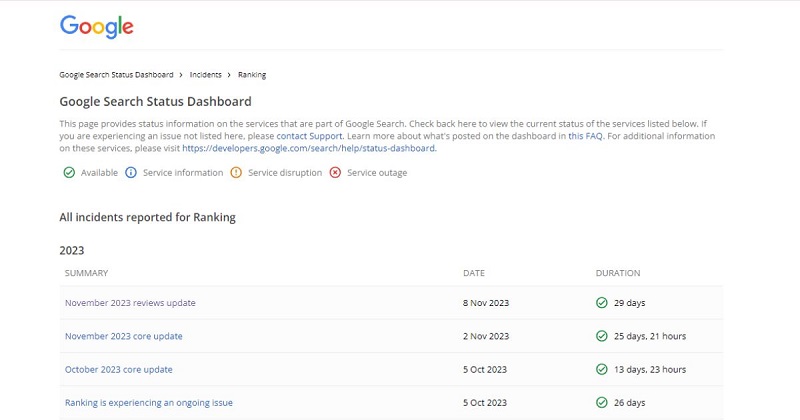
Tracking the timeline of algorithm updates allows for a better understanding of fluctuations in keyword rankings and website traffic. This knowledge helps identify potential reasons for a site’s impact during an update and analyze the keywords or content affected.
In periods of frequent updates, solving the causes behind site changes becomes challenging, making it essential to stay alert and adapt strategies accordingly. Therefore, don’t forget to follow us for the latest ranking algorithm updates.
Step 7: Promote Your Content
Promoting your content will boost and support link-building efforts, ultimately aiding in ranking for specific keywords. By reaching a broader audience, you increase opportunities to generate inbound links, drive social media shares, gain traction, and improve your overall ranking. Here’s how to effectively promote your content:
Use Social Media Channels
Social media is a powerful approach to content promotion. Sharing your content across various platforms, such as Twitter, Facebook, LinkedIn, or YouTube, allows your content to reach more users.
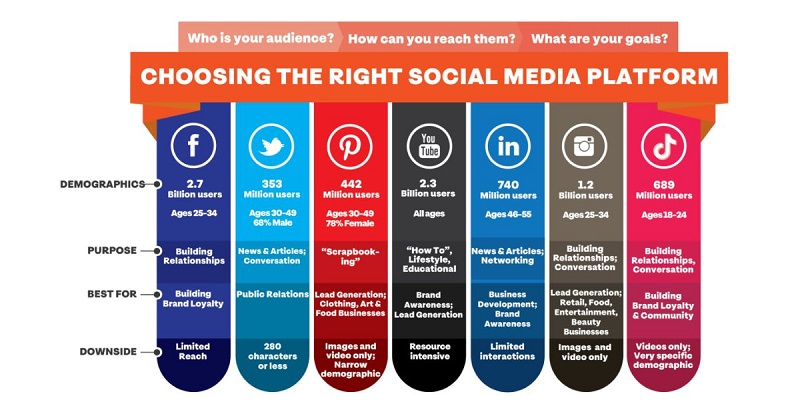
By strategically utilizing each social media platform’s unique features and tailoring your approach to the preferences of each audience, you can maximize the impact of your content promotion efforts across various channels.
Monitor Google Alerts
Google Alerts is a valuable tool for staying informed about discussions related to your content and industry. Consider creating Google Alerts for keywords related to your content, industry, or niche. It ensures you receive notifications whenever new content or discussions emerge around these topics.
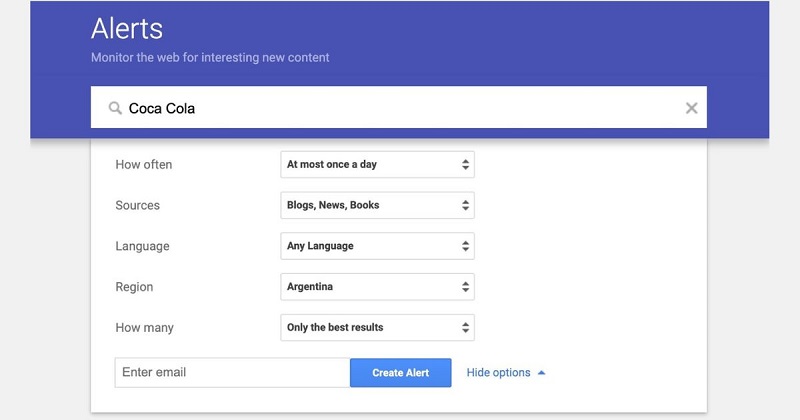
Also, you can use Google Alerts to stay updated on industry trends, news, and developments. This knowledge can be valuable for creating timely and relevant content that aligns with current discussions.
Repurpose Content
Repurposing content is transforming your existing material into different formats to reach a wider audience and maximize its value. There are various ways to repurpose your content:
- Create visual assets
- Develop video content
- Compile Ebooks or Guides
- Podcasts adaptation
- Social media snippets
- Email newsletter material
- Infographics and data visualization
Step 8: Check On User Experience Signals
User experience (UX) and brand equity are crucial in keyword rankings and driving organic search visibility. SEO and UX must collaborate, particularly given Google’s algorithm’s consistent integration of UX into page rankings.
To estimate web visitor interaction, use Google’s Core Web Vitals report. You can use it to monitor loading times and identify pages offering positive experiences or requiring improvement.
Responsive design is another critical UX aspect. With 59,45% of all internet traffic coming from mobile devices as of January 2024, a non-responsive website leads to higher bounce rates, negatively impacting rankings.
Here are more factors that offer opportunities for improving both UX and SEO:
| Factors | Strategies |
| Page Tagging | Ensure engaging page tags, including title tags, meta descriptions, and main headings, encourage clicks to your website. |
| Content Optimization | Keep users engaged with well-structured navigation, compelling copy, optimized semantic keywords, internal cross-linking, and clear CTA. |
| Page Speed | Provide requested content quickly and seamlessly across devices by compressing images, ensuring mobile-friendliness, optimizing code, and speeding up servers. |
| User-friendly Design | Create a visually appealing website layout, enhancing the overall user experience. |
| Social Media Integration | Seamlessly integrate social media elements into your website, encouraging user engagement and sharing, which can positively impact SEO. |
| Regular Content Updates | Maintain a consistent schedule for updating and adding new content, showcasing relevance and signaling to search engines that your site is actively managed and valuable to users. |
| Local SEO Optimization | Optimize your website for local searches by adding location-based keywords, getting local backlinks, and ensuring accurate business information across online directories. |
| Secure Website (HTTPS) | Ensure your website uses HTTPS for secure data transmission, providing a safe environment for users and potentially impacting search engine rankings. |
Addressing these elements will enhance user experience while positively impacting your site’s SEO and rankings.
Step 9: Track Performance
Google prioritizes content demonstrating expertise, authoritativeness, and trustworthiness (E-A-T), per its guidelines. Therefore, you must regularly refresh your content to provide the latest information and enhance keyword visibility.
Start by benchmarking your organic search performance using tools like SEMrush’s Traffic Analytics. It evaluates how your traffic compares to competitors across metrics, offering insights into organic search and traffic dynamics.

If an asset isn’t ranking well, re-optimize for relevance, search intent, engagement, and readability. The goal is to offer users content better than other search results for a given query.
Remember, this process isn’t a one-time effort. To stay competitive in organic search, revisit each step regularly for the best SEO content performance.
While “If it’s not broken, don’t fix it” applies, monitoring allows improvements. Even if you rank first for a competitive keyword, optimizing for better user engagement is possible. Regular assessment ensures your content aligns with changing search dynamics and user expectations.
Step 10: Optimize Your Google Business Profile
Last but not least, local search, which takes 30% of all mobile searches, influences both physical business traffic and website rankings. In many instances, Google includes the searcher’s location in Search Engine Results Pages (SERPs), emphasizing elements like photos, reviews, and contact details over text-only links.

A critical strategy to engage with local searches is creating and optimizing your Google Business Profile. This complimentary service empowers you to manage your business’s appearance across various Google platforms, including Maps, Reviews, and Local Pack Listings.
A Google Business Profile not only enhances your visibility but also provides users with quick insights about your business. It allows for user reviews on Google, fostering credibility and offering you control over your business narrative. These reviews are believed to influence rankings significantly.
Get the full potential of your Google My Business profile with these 13 steps:
- Claim your business profile
- Complete every section
- Detailed contact information
- Select categories
- Mark applicable attributes
- Write a complete description
- Publish Google posts weekly
- Upload new photos weekly
- Answer questions
- Collect and respond to reviews
- Add products/services
- Set up messaging
- Maintain your Business Profile
These optimizations will transform your Google My Business profile into a powerful tool for free customer acquisition and heightened online visibility. Ensure that you review and update your profile regularly for continued effectiveness.
Why Is It Important to Rank High On Google?
Keyword rankings on Google hold significant importance for several reasons:
Increased Organic Clicks
According to Global Statistics, Google handles a massive 2.5 trillion searches yearly, with an average search lasting just a minute. Surprisingly, 34% of Google searches result in no clicks, highlighting the importance of securing a high-ranking position.
Moreover, 75% of users never go past the first search page. This data emphasizes the critical need for businesses to rank well on search engine results pages, ensuring visibility and attracting users quickly.
Cost-Efficient Marketing
Improved keyword rankings make it easier to reach a bigger audience, cutting down on the need for additional paid advertising. Therefore, higher Google rankings save on marketing costs and allow you to focus on improving other aspects.
This efficient synergy between higher rankings and reduced costs enhances the impact of inbound marketing, especially when combined with social media efforts. In essence, better Google rankings save time, money, and resources.
Boosted Business Authenticity
Getting your business to the top of search engine rankings is more than just being visible; it builds authenticity. High rankings show your brand connects with users effectively through products, services, and information. This ongoing interaction makes your brand appear trustworthy, gaining acceptance based on real connections with website visitors.
Also, consistently appearing at the top of search results implies that users value what your business offers. As users see your brand as authentic and credible, the trust gained through these real connections contributes significantly to your business’s long-term success and positive perception online.
Frequently Asked Questions
How much does SEO traffic cost?
Automated Local SEO services typically cost between $300 and $500 monthly, while small-scale SEO packages range from $1,500 to $2,500. Comprehensive Local SEO services may go up to $3,000 to $5,000 per month.
At ROI, the cost of SEO services varies based on your business needs and goals. Reach out to our comprehensive service for top-notch quality at an affordable price.
Does website traffic increase Google ranking?
Certainly! Google employs a sophisticated algorithm with over 200 factors to assess a website’s relevance and authority. Website traffic is one of those elements influencing a website’s Google ranking.
How long does it take for keywords to rank on Google?
Gaining a first-page ranking on Google typically requires 3 to 6 months, provided you consistently produce quality content and optimize your website for search engines. In cases of intense competition or if your website lacks optimization, the timeline for results may extend to 6 to 12 months.
The Bottom Line
Using our guide on how to rank for a keyword, you might gradually improve your site’s visibility and organic traffic. Remember, the path to optimizing your website for specific keywords is a continuous process. SEO is not an instant result but a long-term commitment. So, stay dedicated, experiment wisely, and enjoy the success of your efforts.

Jeng Nguyen has nearly 10 years of experience ranging from project management, operations, business development, customer service, content creation, video production, photography, website development, social media marketing, email marketing, advertising, SEO and sales.
Well-known as an ace Digital Marketing expert throughout various industries in Vietnam, Australia and the USA - Jeng is known for the success rate that he achieves whilst finding solutions tailored best for each unique business.
Jeng's mission is to revolutionize customer experience, starting with the journey of Attraction - Interest - Desire – Action. Together with a multi-expertise team at ROI Digitally, Jeng aims to provide businesses unprecedented breakthroughs in Return-on Investment from their customers.