
For a successful online presence, SEO is essential. But watch out for duplicate content – having the same info on different pages harms your SEO. It’s like showing the same ad everywhere, losing impact. Search engines may not value identical content, affecting your rankings.
In this article, we’ll discuss “Why is having duplicate content an issue for SEO?” and what you can do.
What Is Duplicate Content?
Duplicate content appears exactly or almost identically on multiple websites or different pages of the same website.
A website’s Google rankings may need to be revised if it has a lot of duplicate content. It is impossible for search engines to determine which URL should appear higher in the results because multiple URLs display the same material. They may give other web pages precedence and rank both URLs lower.
For example, in SEO writing, you have an article about “what is organic search.” This article appears at
https://roidigitally.com/blog/what-is-organic-seach/and also at
https://roidigitally.com/portfolio/what-is-organic-search/Let’s imagine other bloggers have linked to your post, pointing to the first URL and others to the second. It is the point at which the issue with the search engine becomes apparent: it is your issue. You are responsible for the duplicate material since those links are separate URLs. You would better rank for “what-is-organic search” if you connect it to the same URL.
Learn more: What is Organic Search? How To Effectively Increase It?
Why Is Having Duplicate Content An Issue For SEO?

Lower Ranking
Search engines or Google may need help to evaluate page ranking when your website has duplicate content. It can lead to unclarity and lower rankings.
As you may know, Google always wants to provide users with unique, helpful SEO content, not replicate content from elsewhere (including pages on your website). For this reason, they set up search ranking algorithms to give preference to original content when determining rankings. In other words, Google will determine which of your duplicate pages is the original.
Therefore, your rankings can only improve if it recognizes the original, and the page might rank.
Besides, if your material is ranked, Google may select a version that differs from the one you would prefer to see on search engine results pages (SERPs).
Traffic Loss
It is understandable. Pages with copied material in Google’s index are not something Google wants to rank well on. And this will lead to your site’s traffic loss. It comes from two main problems:
- Search engines have to select the version that is most likely to yield the best result since they rarely display numerous versions of the same information. This forces search engines to give the greatest possible search experience. As a result, each duplicate’s visibility is diluted.
- Because other websites also have to choose between the duplicates, Google may further dilute Glink’s equity. Rather than all inbound links pointing to a single piece of content, they distribute the link equity among the duplicates by linking to several parts. It has affected a piece of content’s search visibility because inbound links are a ranking criterion.
Destructive Impact On Site’s Crawlability
Search engines like Google must crawl and index your material to appear in search results. Search engine crawlers need a lot of time and resources to crawl a website, and they will waste the crawl budget on duplicate pages because of several versions of the same information.
It lowers the total number of crawlable pages. It may affect the way search engines display your website.
Therefore, it’s an extreme issue for SEO when your site has duplicate content, which can destroy the hard work of your building website ranking.
Learn more: Measuring SEO Success: Metrics and Tools
How to Find Duplicate Content?
Finding duplicate content is crucial for SEO strategy. However, finding the same content to fix is difficult unless you have google and tools. Below are the two essential ways to help you:
Quotes Search on Google

Utilize Google’s search functionality by selecting a featured snippet or paragraph from your content and searching for it using quotes. This method helps you determine whether the same or closely similar content exists on other websites. The quoted search provides a straightforward way to identify potential instances of duplicate content across the web.
Using SEO Tools

SEO tools is the best way to help you quickly check duplicate content. You can use SEO tools like SEMrush’s Site Audit, Screaming Frog SEO Spider, and Copyscape.
- SEMrush’s Site Audit lets you input your website URL to investigate the problems. Click the “issue” tab to see the details of the duplicate content.
- Screaming Frog SEO Spider can reveal duplicate cases in your website’s “Duplicate” tab when you download and install the tool completely.
- Copyscape is another tool that assists by identifying similar content elsewhere on the internet through a simple copy-paste operation.
Learn more: 15 Best AI Marketing Tools To Revolutionize Your SEO Strategy
How to Fix Duplicate Content Issues?
Fixing duplicate content issues are extremely essential on the way to creating a high on page SEO and website ranking. Following these 4 way to fix the issues:
Content Management System (CMS): Review Drafts and Revisions
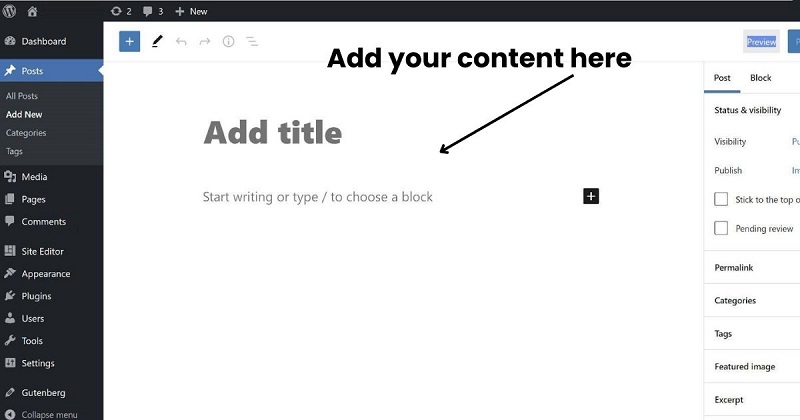
When your site uses CMS, you should carefully review drafts, revisions, or unpublished content that might inadvertently go live. CMS platforms often store multiple versions of content, and studying these iterations helps ensure that only the intended and unique content is published on your site.
Regular Audits: Scheduled Checks
Conduct regular audits using SEO tools to detect and rectify duplicate content promptly. Regularity in these checks ensures early identification and resolution of issues, contributing to a proactive approach to maintaining content integrity and originality.
Canonical Tags: Implement Canonicalization

Canonical tags, or rel= “canonical” tags, are bits of HTML code pointing out the preferred URL for content that’s the same or very similar. A canonical tag shows search engines the version of your page you want to index and display in search results. You can find the tag in the <head> section of a website’s HTML code.
Learn more: H1 Tag: What Is It and Its Best Practices
301 Redirects: Consolidate Pages

If you have identified duplicate pages, consider using 301 redirects to merge them into a single, preferred version. This consolidation streamlines content and prevents search engine confusion by directing traffic and indexing efforts toward the desired page.
3 Best Practices to Avoid Duplicate Content

To keep your site in a high ranking and a good SEO strategy, you should have some specific practices to avoid duplicate content as below:
Be Original
- Write SEO content that is not only original but also of high quality.
- Uniqueness and value are essential – think about what sets your website apart and create content highlighting those distinctive features.
- Avoid duplicating content across your site, ensuring each page offers unique insights or information.
Mind Your Structure
- Pay careful attention to the overall structure of your website.
- Utilize canonical URLs to inform search engines about the preferred version of a page, which is particularly crucial for dynamic content situations, like e-commerce sites where the same product may be featured on multiple pages.
- Regularly review and update your website structure to maintain coherence and clarity.
Give Credit Responsibly
- When incorporating content from other sources, ensure proper attribution.
- Provide credit where it is due and include a link to the source.
- Avoid wholesale copying of content and strive to balance original contributions and appropriately credited external content.
By integrating these detailed practices, you prevent duplicate content issues and contribute to a more robust and authentic online presence. This approach helps your website maintain its uniqueness, visibility, and positive performance in search engine rankings.
Frequently Asked Questions
Is duplicate content still bad for SEO?
Yes, duplicate content is harmful to SEO.
- It confuses search engines like Google, leading to lower rankings and potential penalties, including removal from search results.
- Accidentally publishing the same page twice can cause problems, as search engines need clarity on which page to prioritize.
- Duplicate content can also disrupt backlinks and make it harder for search engines to navigate your site, breaking your efforts to build your website’s ranking.
How much duplicate content is acceptable?
Matt Cutts, ex-head of Google’s spam team, notes that around 25-30% of web content is duplicate, and having less than 25% duplication may be accepted.
The main problem is that even if your site published it first, others copying your content may appear in search results. You can file a removal request under the Digital Millennium Copyright Act to prevent this.
In summary, “Why is having duplicate content an issue for SEO?” is revealed in this article. It is a significant issue for SEO. It can lower your website’s value in search engines and hurt your rankings.
Dealing with the same content isn’t just about following rules, it’s essential for a solid online presence and ensuring your content connects with your audience. Finding and avoiding duplication set the stage for better search rankings and a more successful online presence.