Key Takeaways
- Website development involves everything from planning, designing, and coding to testing, launching, and maintaining a website. It includes both front-end (what users see) and back-end (server-side functionality) work, often supported by content management systems like WordPress.
- The cost of developing a website in 2025 can range from $3,000 for a basic site to $150,000+ for enterprise-level portals. Factors like responsive design, e-commerce features, hosting, and multimedia significantly impact the overall budget.
- Critical components like database management, security, performance optimization, and responsive design play a major role in creating websites that are fast, secure, and user-friendly across all devices.

Website Development
Turn your vision into a high-performing website with ROI Digitally. From custom designs to seamless functionality, we build eCommerce sites that convert. Let’s start building today!
What Is Website Development?
Website development is the process of creating, building, and maintaining a website. When people ask, “what is website development,” it is mostly about everything that happens behind the scenes to make a website work. This includes using markup languages like HTML for structure, coding with languages such as JavaScript or PHP, and setting up content management systems (CMS) like WordPress.
Website development process covers both the front end (what visitors see and interact with) and the back end (the server, database, and logic that power the site).
The Importance of Website Development In Digital Marketing
When we ask, “what is website development,” it goes beyond building a website but to create a powerful digital presence.
Website development is essential because it allows businesses, organizations, and individuals to connect with over 5.5 billion internet users worldwide. A well-developed website ensures seamless navigation, responsive design for mobile users, and engaging content that builds trust and keeps visitors coming back.
For businesses, strong web development supports eCommerce functionality, improves customer engagement, and increases sales opportunities. It also enhances brand visibility by integrating SEO, fast loading times, and secure infrastructure. Beyond design, website development enables innovation, such as incorporating advanced technologies like AI, chatbots, and IoT to create smarter, interactive platforms.

The importance of website development. Source: Eternitech
With web development jobs expected to grow by 8% by 2033, it’s clear this field is crucial for digital growth and competitiveness. Even small and medium-sized businesses benefit from web development through platforms like WordPress, Wix, or Content Hub, which offer cost-effective ways to build optimized, professional websites.
The Key Components of Website Development
Think of website development like building a house – there are different parts that all work together to create something functional and beautiful that people can use.
- The Front-End (What Users See) This is like the exterior and interior design of your house. Front-end development creates everything visitors see and interact with on a website – the buttons, menus, colors, and layout. Developers use languages like HTML, CSS, and JavaScript to make websites look good and respond when you click or tap on things.
- The Back-End (The Behind-the-Scenes Magic) This is like the plumbing, electrical systems, and foundation of your house – essential but hidden. Back-end development handles all the logic that makes a website actually work. When you submit a form or log into an account, the back-end processes that information using programming languages like Python or PHP.
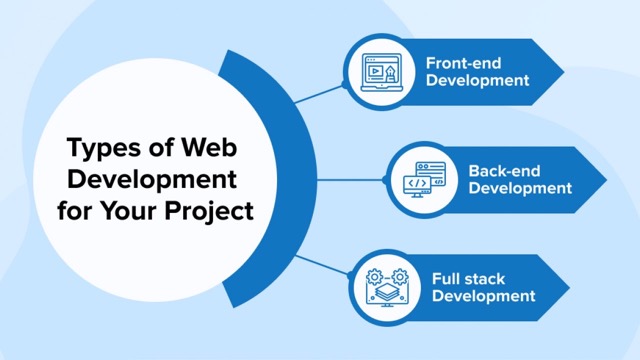
Besides front-end and back-end programming, there is another type of development called full-stack, which includes other components like:
- Database Management (The Storage Room) Databases are like organized filing cabinets where websites store all their information – user accounts, product details, blog posts, everything. Good database management ensures this information is stored efficiently and can be found quickly when needed.
- Web Servers and Hosting (The Land and Utilities) Just like a house needs a plot of land and utilities, websites need servers and hosting services to exist on the internet. Web servers are like the delivery system that brings your website to people’s browsers when they type in your web address.
- Version Control (The Project Manager) This is like having a detailed construction log that tracks every change made to the website. It allows multiple developers to work together without accidentally overwriting each other’s work, and lets them go back to previous versions if something breaks.
- Responsive Design (Making It Work Everywhere) With so many people browsing on phones and tablets, websites need to adapt to different screen sizes automatically. It’s like having furniture that can rearrange itself to fit perfectly in any room.
- Content Management Systems (The Easy Button) CMS platforms like WordPress are like pre-built house kits that make it much easier for non-technical people to create and update websites without needing to know complex programming.
- APIs (The Communication Network) APIs allow different websites and applications to talk to each other and share information, like having a universal translator that helps different systems work together.
- Security (The Locks and Alarms) Web security protects websites and user information from hackers and threats. It’s like having good locks, security systems, and safety protocols to keep everything protected.
- Performance Optimization (Keeping Things Running Smoothly) This ensures websites load quickly and work efficiently. Nobody likes waiting for slow websites, so developers use various techniques to make sure everything runs as fast as possible.
Website Development vs Website Design vs Website Programming
While these three terms are often used interchangeably, they refer to different aspects of building a website.
| Aspect | Website Development | Website Programming | Website Design |
| Definition | Full process of building, launching, and maintaining a website. | Writing the code and scripts that make a website function. | Focuses on the visual appearance and user experience (UX). |
| Main Focus | Combines design, coding, content, and functionality. | Front-end and back-end logic, database handling, and data flow. | Layout, color schemes, typography, branding, and aesthetics. |
| Skills/Tools | HTML, CSS, JavaScript, CMS, frameworks, project management. | Programming languages like PHP, Python, Ruby, Java, and APIs. | Design tools like Figma, Photoshop, Illustrator, Adobe XD. |
| Responsibility | Oversees entire project from planning to deployment and maintenance. | Creates dynamic content, processes user inputs, fixes bugs. | Creates mockups and designs to ensure a clean and engaging UI. |
| Outcome | A fully functional and interactive website. | Smooth website functionality and server-side performance. | Attractive, user-friendly, and visually consistent website. |
Website Development Process
The web development process involves several key steps that turn an idea into a fully functional website. Here’s a breakdown in simple terms:
- Purchase a Domain Name: Your domain name is your website’s address on the internet. It should be short, memorable, and reflect your business name or purpose. Before buying, check its availability on sites like Hostinger or Instant Domain Search. Choosing the right domain and extension (like .com or .biz) makes it easier for people to find your site.
- Make a Sitemap: A sitemap is like a blueprint for your website. It helps you plan the structure, pages, and navigation. This step ensures that every section, category, and feature is well-organized and connected, creating a smooth user experience.
- Develop a Plan: Identify your goals and target audience. Ask yourself: What’s the main purpose of my website? What content or products will it feature? A clear plan ensures that the website’s design, content, and features align with your business objectives.
- Coding and Design: This is where the technical work happens. Developers create the front end (what users see) and the back end (server, database, and logic). The design is also built during this stage to make the website both visually appealing and functional.
- Launch Your Website: Before going live, test the site thoroughly to fix bugs and improve performance. Ensure you meet legal requirements, such as having a privacy policy. Finally, optimize for SEO so your website can rank well on search engines and attract visitors.
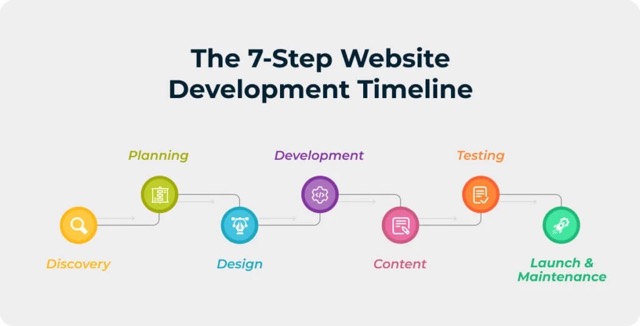
The website development process can be more advanced and expanded to 7 steps. Source: WP Minds
How Much Will Website Development Cost?
The cost of developing a website in 2025 depends on the type of website, the complexity of its features, and the essential elements like design, hosting, and security. On average, website costs can range from $3,000 for basic websites to $150,000+ for enterprise-level solutions.
Website Development Cost by Type
| Website Type | Cost Range | Key Features |
| Basic Website (Landing page) | $3,000 – $8,000 | Simple layout, contact form, and limited content. |
| Small Business Website | $2,000 – $9,000 | Basic CMS, service pages, photo gallery. |
| Business Website (Custom CMS) | $10,000 – $30,000 | Up to 15 pages, custom design, advanced CMS. |
| Corporate Website | $10,000 – $35,000+ | Company profiles, careers, investor relations. |
| eCommerce Platform | $25,000 – $70,000 | Product catalogs, shopping carts, payment gateways. |
| Web Application | $6,000 – $75,000+ | Interactive features, user authentication. |
| Enterprise-Level Portal | $75,000 – $150,000+ | Dashboards, system integrations, custom backend. |
Cost of Essential Elements
These elements significantly influence total website development costs:
| Element | Average Cost | Details |
| Domain Name | $0.95 – $12+ / year | Your website’s online address; premium names cost more. |
| SSL Certificate | $0 – $1,500 / year | Ensures secure browsing and builds user trust. |
| Website Hosting | $24 – $10,000 / year | Shared hosting is cheaper, while dedicated servers cost more. |
| Style or Theme | $2,000 – $15,000 (one-time) | Custom themes reflect brand identity; templates are cheaper. |
| Responsive Design | $3,000 – $25,000 | Adapts to mobile and desktop for better user experience. |
| Interactive Multimedia | $250 – $10,000 | Videos, animations, and other engaging visuals. |
| eCommerce Features | $2,000 – $25,000 | Payment gateways, order tracking, and inventory tools. |
| Database Integration | $2,000 – $25,000 | Manages user data and dynamic content. |
| Number of Pages | $1,000 – $10,000+ | Each additional page requires content and design. |
So, in short, how much will website development cost?
- Small business websites (with 5–10 pages and basic CMS) typically cost $2,000 to $9,000.
- eCommerce websites require $25,000 to $70,000, due to advanced functionalities like secure transactions.
- Enterprise websites with complex integrations, APIs, or dashboards can exceed $150,000.
The overall price depends on customization, technology stack, and design complexity. Businesses should plan their budgets carefully, considering both development costs and ongoing expenses like hosting, SSL certificates, and maintenance.
Frequently Asked Questions
- What are the 7 steps of web development?
The 7 steps of web development usually include: (1) Gathering requirements to understand the website’s purpose and goals, (2) Creating a project plan, (3) Designing wireframes and mockups, (4) Developing the front-end and back-end code, (5) Adding content and features, (6) Testing for bugs, performance, and security, and (7) Launching the site followed by ongoing maintenance. These steps ensure the website is functional, user-friendly, and meets business objectives.
- How much does it cost to develop a website?
The cost of developing a website depends on its complexity, design, and features. A basic landing page can cost around $3,000 to $8,000, while a small business website with custom CMS might range from $10,000 to $30,000. E-commerce sites are more expensive, ranging from $25,000 to $70,000, and enterprise-level websites with integrations can cost $75,000 to $150,000+. Additional expenses include hosting, domain names, and ongoing maintenance.
- What are the 5 stages of website development?
The 5 main stages of website development are: (1) Planning – defining goals, structure, and target audience; (2) Design – creating visual layouts and user experiences; (3) Development – coding the front-end and back-end of the website; (4) Testing and Review – fixing bugs, checking responsiveness, and optimizing performance; and (5) Launch and Maintenance – deploying the website and performing regular updates to keep it secure and functional.
- How do I start developing a website?
To start developing a website, begin by defining your website’s purpose and goals. Next, register a domain name and choose a reliable hosting provider. Create a sitemap to plan your site’s structure and design wireframes or mockups. Then, start coding or use a website builder or CMS like WordPress if you’re not a developer. Finally, test your site for functionality and performance before launching it online. Regular updates and maintenance will follow.