
Have you ever heard of SEO footprints? With footprints in SEO, you can make your website awesome without spending money on ads.
This guide will discuss Google SEO footprints, the different types of SEO footprints, and expert tips. Let’s learn more.
What Are SEO Footprints and Why Are They Important?
SEO footprints are like finding a mark that belongs to a website or tool, something unique that sets it apart.
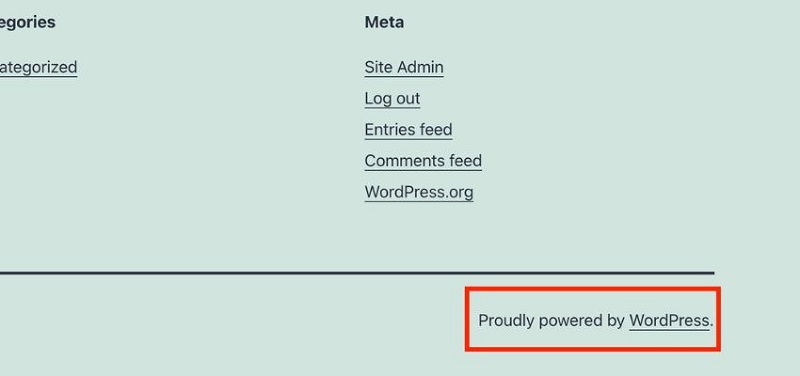
Think of it as a clue you find on a treasure hunt. For example, when you visit a website like wordpress.org, you might see the words “Powered by WordPress.” That’s a clue or footprint that tells you people made this site using WordPress.
Another common clue is when you visit a blog or website and see phrases like “Post a comment” or “Leave a comment“. These footprints also show that you can interact by leaving comments.
SEO footprints help people navigate the big world of the Internet. They assist marketers in discovering websites that are more likely to give them helpful links. Using special search tricks along with these footprints helps them find what they need faster.
For instance, if they want to write articles for other websites, they might search for footprints like “write for us” or “guest post guidelines” along with words related to their topic. With this, they can find sites that want guest writers.
Understanding SEO footprints can change how people build links online. It helps them work smarter, not harder, by focusing on the right places to get the best results.
5 Types Of SEO Footprints
Let’s talk about different types of SEO footprints that help people find the right websites for their needs:
- Direct Footprints: These footprints in SEO are like big signs that tell you what people make a website with, like “Powered by WordPress“. It’s like knowing which tools people used to build a site, which makes it easier to find similar ones.
- Indirect Footprints: These are more like hidden clues, not as obvious, but still very helpful. They could be phrases or patterns in website addresses that help us find good websites to get links.
- Competitor Footprints: This is like spying on other websites to see where they get their links from. They may also link to us if they’re linking to our competitors. It’s a smart way to find new places to get links.
- Content Footprints: Some types of content, like pictures or helpful guides, attract a lot of links. We can create similar content and get more links if we know what works best.
- Social Media Footprints: When we see a brand doing well on social media, it tells us they might be good to work with for links. It’s similar to seeing which friends are famous and friendly, so we know who to ask for help.
How To Optimize SEO Footprints For Link Building?
Once you’re feeling more confident with using SEO footprints to get links, there are some cool tricks and tools you can try to make your strategy even better:
1. Play with Fancy Search Tricks
Google has some utterly neat tricks. You can try mixing and matching different search tricks to find even more websites that might want to link to you. For example, searching for sports blogs that accept guest posts or pages looking for contributors on topics like pool cues can potentially lead to opportunities for link-building.
2. Make Friends on Social Media
Social media isn’t just for chatting with friends. It’s also a great place to find new websites to get links. Look for influential food bloggers or popular food brands. Engaging with them could lead to guest blogging opportunities or sharing your content with their followers, which can increase your visibility and link portfolio.
3. Use SEO Tools
Many helpful SEO tools are out there to make finding links less burdensome. They can show you where your competitors get their links, help you find new keywords, and more.
For example, SEMRush is an SEO tool that provides practice features like keyword research, competitor analysis, and rank tracking.

SEMRush is an efficient tool to track SEO performance, like Google ranking, backlinks, etc.
In SEMRush, you start with keyword research and site analysis. You then conduct a site audit for improvements and study your competition. Finally, you create optimized, original content using their SEO Writing Assistant tool.
4. Keep Up with What’s New

The internet and the rules for getting noticed are constantly changing. It is necessary to stay up-to-date with the latest trends and tricks so your strategy remains top-notch.
Credible sources like ROI Digitally provide valuable insights and updates on these matters. Our website can be a good information source as we always adapt to the latest trends.
5. Keep an Eye on Your Progress
It’s crucial to see how well your link-building is working. Keep track of what’s happening, and try something different if something isn’t working. Flexibility is the key to success.

Utilizing advanced analysis SEO tools like Ahrefs, SEMRush to receive data-driven insights into your SEO performance.
Final Thoughts
So, remember, SEO footprints are not just little clues. They’re like a map, helping you find your way to success online. Using them wisely can help you build new relationships, attract more visitors to your website, and become a real internet expert. Contact us for more expert insights.
Frequently Asked Questions
How do SEO footprints affect website rankings?
SEO footprints are like clues on the internet that help us find ways to improve websites. Digital experts and SEO professionals use these clues to find places where we can get more links, see what our competition is doing, or generate ideas for new content.
By looking closely at these clues, we can learn a lot and make our websites easier to find on search engines.
What are some common types of SEO footprints?
As we have mentioned above, SEO footprints come in different types:
- Direct footprints
- Indirect footprints
- Competitor footprints
Other examples of footprints can include a web design company leaving a note saying “Built by” at the bottom of a webpage. Alternatively, you can check the author’s name at the end of an article.
How can I identify and avoid leaving footprints when implementing SEO strategies?
To keep things tidy online, you should learn the basics, search for good words to use, ensure your website looks nice, and keep up with what’s new. You can use Google and tricks to find the right places to share links from smaller websites.
And don’t forget, SEO is what you do constantly, so keep maintaining and optimizing it.
What are the risks associated with leaving footprints in SEO practices?
SEO experts don’t want to get in trouble with Google for trying to trick search engines using “SEO footprints.” People make footprints when they use lazy ways to get links. A “bad Google footprints SEO” means doing things that make a website look fake or sneaky to Google. This situation can cause the website to show lower search results.