Advertising continues to be a dynamic and growing industry.
As of 2023, global advertising spending was projected to grow by 4.4% in 2023 and 8.2% in 2024, pushing the total to over $1 trillion.
Yes, we are witnessing a significant shift in ad strategies as businesses adapt to technological advancements and changing consumer behaviors.
It’s the beginning of 2024. Let’s discover advertising trends that are expected to shape the new ad era in the coming years.

1. Interactive Augmented Reality (AR) Ads Gain Traction
AR trend is an easy guess, right?
In recent years, AR applications have enhanced user experiences by providing immersive interactions. This interactive aspect of AR is particularly beneficial for advertising, as it engages users uniquely and compellingly.
Deloitte’s report shows that approximately 75% of the global population is expected to become active AR users by 2025, expecting a corresponding increase in interaction with AR ads.

The growth statistics for AR in advertising have underscored the increasing use of this technology in shaping market trends and business strategies.
Imagine watching an AR ad and a traditional one, which one do you prefer more? We bet most people would choose AR.
Needless to say, virtual try-ons and interactive 3D advertisements have revolutionized shopping experiences. One specific case study regarding the use of AR in advertising is the “Burn that ad” campaign by Burger King: https://www.youtube.com/watch?v=nGU3Z-1zwDM
As described through the video, Burger King invited customers to “burn” competitors’ ads in exchange for a free Whopper. Customers could use the Burger King app to scan a competitor’s ad, which would appear to catch fire and reveal a coupon for a free Whopper.
Creative, right? No wonder it brings massive benefits to this burger brand:
- The campaign resulted in 1.5 million downloads of the Burger King app.
- The app became the #1 most downloaded app in Brazil, where the campaign was launched.
- The campaign also led to a 37.5% increase in sales for Burger King during the promotional period.
2. Voice Search Optimization for Advertising
Voice Search Optimization (VSO) substantially impacts advertising, and most modern SEO strategies are customized voice searches. But it’s not all!
Synup’s statistics indicate that around 80% of voice searches will be conversational by 2024, marking a significant shift from traditional search methods. This trend has been driven by the growing use of voice assistants, with Business Wire predicting their number will reach 8.4 billion in 2024.
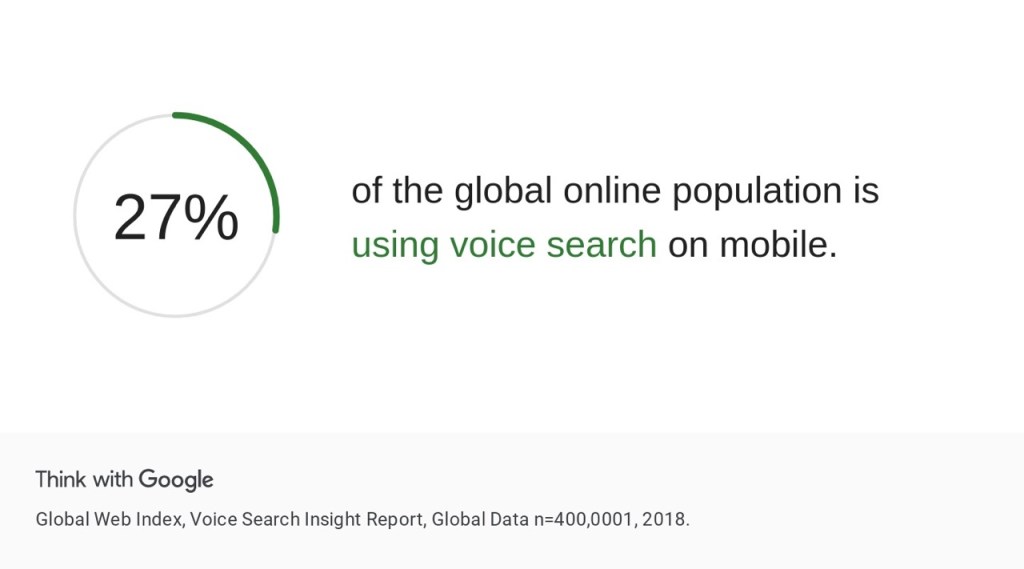
Google unveils that 27% of Google searches came from voice in 2022, and sales from voice searches could reach $40 billion by the end of 2023.
The most noticeable fact is, consumers find voice search more natural and intuitive as it allows for a more consistent interaction with technology, bringing their experience to another level. Moreover, as voice searches are typically conversational, they provide advertisers with richer context and deeper insights into consumer intent.
The shift towards VSO is so massive that businesses must readapt their keyword strategies and optimize their content to align with natural language processing and semantic searches.
Refer to this LinkedIn tutorial to see how you can optimize your content for voice search: https://www.youtube.com/watch?v=Dg20EzmNcPg&t=3s
And the result? Creating more personalized and effective ads.
3. Programmatic Advertising Still The Market Dominant
Programmatic advertising is like a smart system that buys and sells online ads automatically. It uses artificial intelligence (AI) to reach the right people, making digital marketing faster and easier.
Yes, with the integration of AI, this strategy will continue to dominate the advertising trends in 2024. Statista reports that digital advertising now accounts for 67% of global ad revenue, with programmatic advertising expected to reach a staggering 616 billion.

Insider Intelligence also forecasts that non-programmatic display ad spending growth will be 3 times slower in 2024, underlining the dominance of programmatic advertising.
So, how does this affect consumer behavior?
Well, it’s all about improving the relevance of advertisements for consumers, encouraging them to respond positively to serve the ultimate advertising goal, higher conversion rates.
4. Personalized Ad Experiences Through Data Insights
To create personalized ads, you first need to know your audience’s intent deeply. How?
Using data insights.
Marketers are capturing more data than ever before, using it to personalize consumer experiences and boost ROI. Insights reported by Statista reveal that about 75% of global advertisements are now personalized, showing the scale impact of this trend.

However, the effect of personalization doesn’t simply end there. Needless to say, this advertising trend can revolutionize consumer behavior.
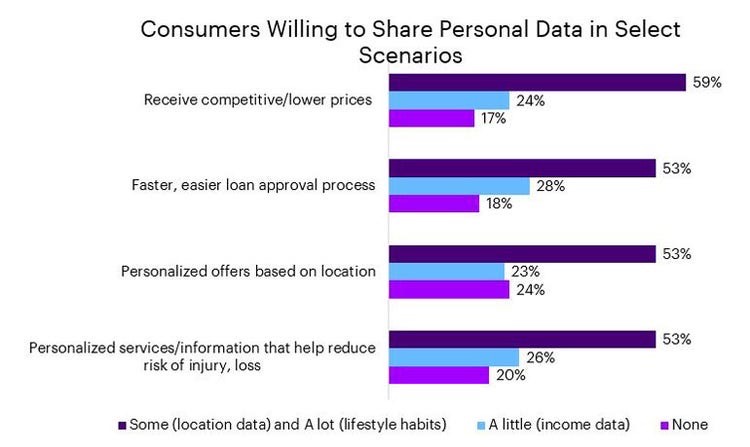
Accenture reports that 83% of consumers are willing to share their data for personalized experiences. This demonstrates that consumers appreciate targeted and relevant ads that they are willing to perform more actively toward your brand.
Furthermore, with AI’s integration in content marketing, personalization and efficiency are significantly enhanced, reshaping marketing strategies.
5. Rise of Influencer-Driven Marketing Campaigns
Influencers – aren’t you too familiar with this word in recent years? Based on their dominance in the advertising industry?
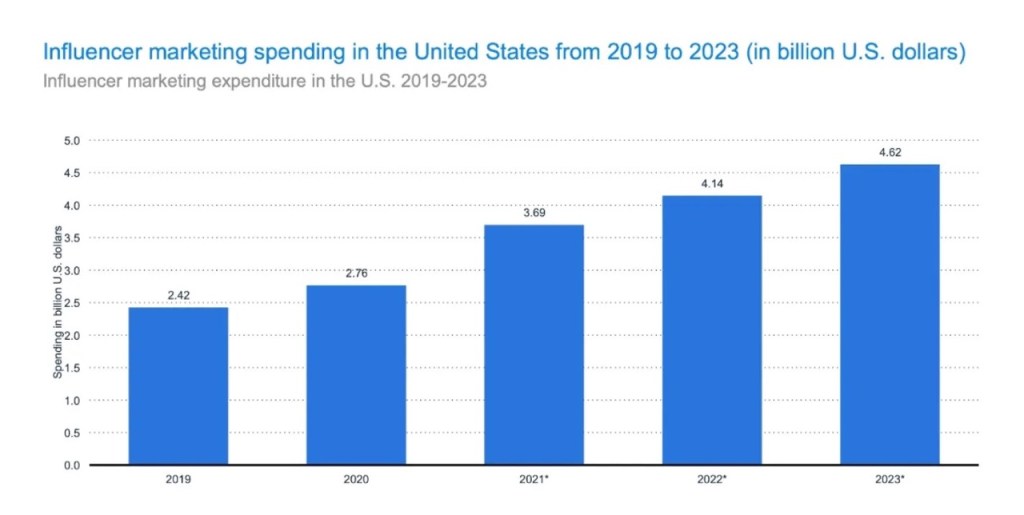
Statista claimed that brands in the US are expected to spend $7.14 billion on influencer marketing, leading to an explosive industry growth to a ‘booming’ $21.1 billion by the end of 2023.

Specifically, a survey of over 700 marketers and creators, conducted by Aspire, highlights a 26% increase in influencer campaigns on TikTok in just one year.
The rise of influencers is simply because consumers see them as relatable, hence, having a higher trust in the product they advertise. As of 2024, the effect of influencer marketing doesn’t seem to slow down, yet, increasing more significantly. That’s why businesses are willing to invest more in this strategy.

Impact.com reports that 63% of brands increase their influencer budgets due to higher ROI than paid ads, indicating a shift towards long-term relationships with influencers.
6. Native Advertising on Social Media Platforms
Native advertising is a form of paid media where the ad experience follows the natural form and function of the user experience in which it is placed. It’s less disruptive and blends with the platform.

Its market size is predicted to reach 120.7 billion by 2030, with around 47% of global marketers confident that this type of advertising is effective.
These ads don’t resemble typical social media ads, which can easily annoy users. Instead, they are designed to customize the style and format of organic posts, making them less disruptive and more engaging for those who see them.
That’s why it potentially becomes one of the advertising trends. Particularly, popular platforms like Facebook and Twitter have integrated native ads into their feeds, making them part of the user’s natural browsing experience.

As users increasingly seek organic forms of advertising, Cyberclick reported, the essence of native advertising becomes more aligned with users’ needs.
Take one specific focus of native advertising, for example, on purposeful storytelling.
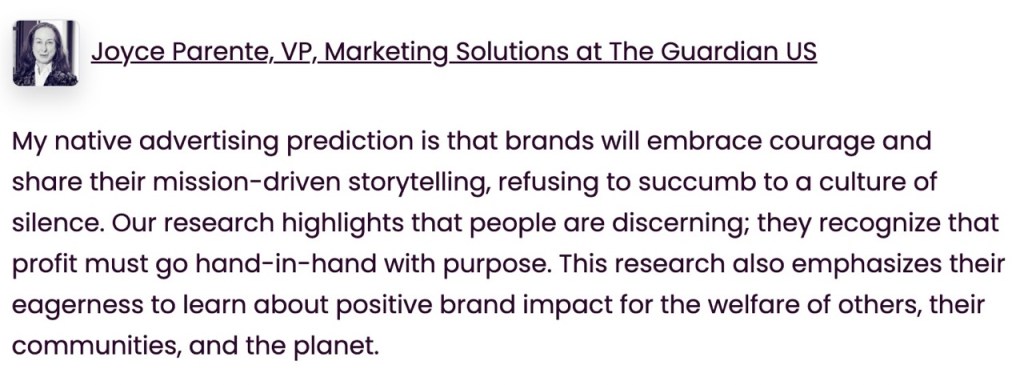
Joyce Parente, Vice President of Marketing Solutions at The Guardian U.S., once said brands recognize how well profit and purpose must go hand-in-hand. Hence, more encouraged to embrace mission-driven storytelling to leverage brand impact among their communities.
7. Emphasis on Sustainability and Eco-Friendly Advertising
When addressing the trends of 2024, it is undeniable that a focus on eco-friendly and sustainable content is paramount.
In particular, 81% of shoppers prefer eco-friendly marketing and advertising. This has made companies start integrating sustainability into their business models. As a result, a new form of sustainable marketing will normalize conscious production and consumption.
The growth of consumer interest in quality and sustainability among their regular-use products has led to a statement:
“Customers continue to support brands that demonstrate eco-friendly practices.”
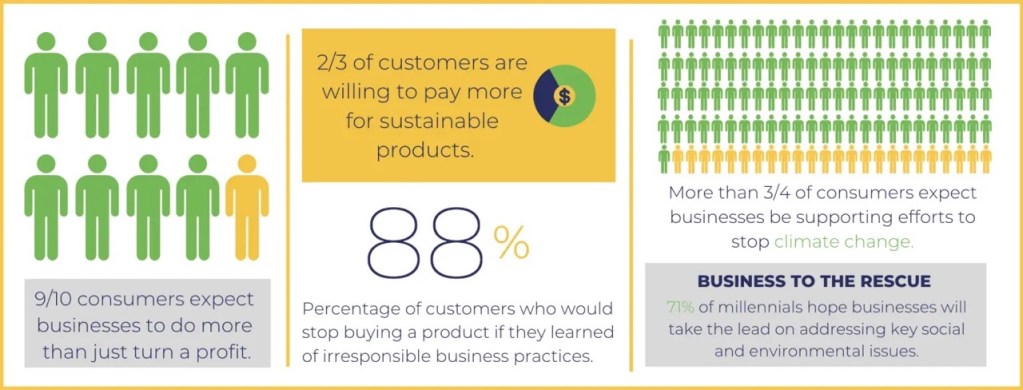
The growth of sustainable digital marketing has proved businesses should prioritize the planet and its people, which positively resonates with environmentally conscious consumers.
8. Growth of Podcast Advertising
It is visible that many businesses, whether B2B or B2C, have started to create a podcast channel purposely to promote their personal brand and educate customers in recent years.
Podcast ads in the U.S. market accounted for over 15% of all digital audio ads in 2019 and are expected to double by 34.2% in 2024.
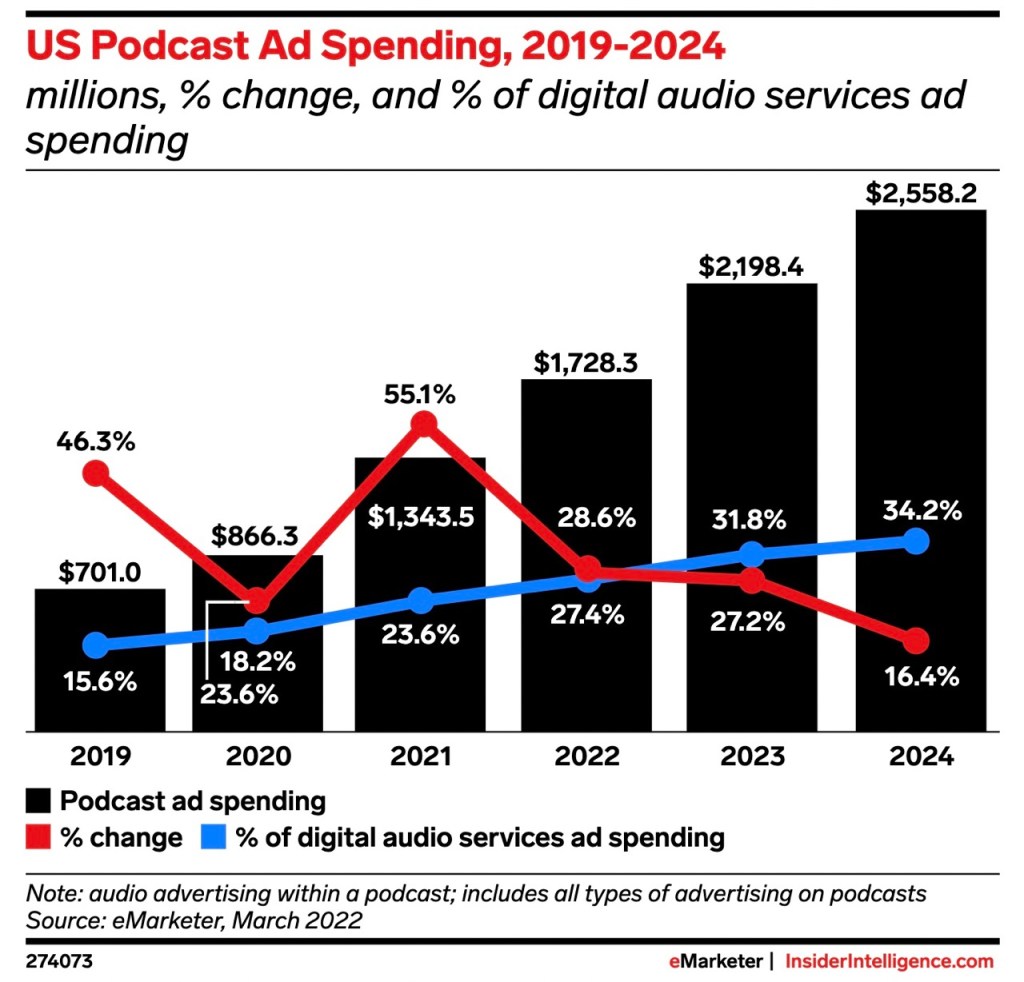
Statista forecasts the Podcast Advertising market to grow by 7.76% (2024-2027), resulting in a market volume of 5.03 billion in 2027.
This trend impacts consumer behavior by offering immersive and personalized ad experiences. Listeners form a unique bond with podcast hosts, translating into trust for the advertised brands.
Additionally, brands advertising on podcasts see an average 10% increase in purchase intent, indicating the effectiveness of this medium in driving consumer action.
9. Expansion of TikTok Advertising Opportunities
TikTok as one of the most rapidly growing marketing platforms, you probably notice that. Of course, no business wants to overlook this potential growth.
Advanced targeting and innovative ad formats on TikTok have opened up new business avenues. This also implies brands are more willing to spend on TikTok advertising, targeting a rise in brand awareness.

When it comes to what consumers like, TikTok is a master. Its algorithm is like a personal shopper, picking out content users will love, and keeping them hooked and engaged. Plus, it allows brands to reach diverse audiences and discover new opportunities, further spreading their influence.
Moreover, TikTok forecasts that in 2024, brands will be encouraged to think outside the box, creating a strong bond with consumers to sway their shopping choices and leverage customer return rates.

10. 5G Technology Enhancing Mobile Ad Capabilities
5G is set to make 2024 the most connected year. Most of location-based mobile searches result in an offline purchase, indicating the potential impact of 5G on mobile ads.
The proof doesn’t simply end there. Innermedia reported that 5G technology affects consumer behavior by providing faster, seamless experiences, enabling more engaging and interactive mobile ads. This can lead to higher conversion rates as users are more likely to engage with immersive, high-quality ads.

Furthermore, 5G’s low latency and high data transfer speeds allow for more precise, real-time targeting, improving user experience and increasing ad effectiveness.
11. Gamification in Advertising Strategies
The gamification industry is continuously rising, this market is expected to expand by 30.1% by 2024.

Gamification impacts consumer behavior by increasing engagement and loyalty. It transforms mundane tasks into engaging activities, enhancing user experience and brand recall.
Moreover, it creates a sense of achievement among consumers, driving their motivation to interact more with the brand. The trend also leverages competition and rewards to encourage repeat purchases and brand loyalty.

Therefore, businesses can expect higher customer retention and increased sales through gamification in advertising strategies.
12. Contextual Advertising for Enhanced Relevance
Contextual advertising is when ads are shown based on the content of a webpage. For example, if you’re reading an article about guitars, you might see guitar-related ads.

Due to its relevancy, this type of ad has been driven by an annual growth rate of 13.8%. It’s reshaping the ad landscape as brands strive for quality and reach, with global spending estimated at $227.38 billion in 2023.

Contextual advertising affects consumer behavior by providing relevant ads based on the content they interact with. The result is potentially growing engagement and conversions as these ads blend consistently into the user’s browsing experience.
Moreover, without third-party cookies (as Google claimed in its new update in 2024), contextual advertising offers a privacy-friendly solution to increasingly privacy-conscious consumers.
13. Subscription-Based Ad-Free Models Challenging Traditional Ads
Insider Intelligence found that 1/3 of streaming subscriptions are projected to become ad-supported. To provide more proof, LG Ad Solutions research revealed that 80% of American TV viewers use free ad-supported streaming services, yet a significant 63% express a preference for ad-free experiences.
Watch the full explanation by LG’s CMO here: https://youtu.be/8UQ6ceEXCO8
These models affect consumer behavior by offering uninterrupted, premium experiences, which can increase customer satisfaction and retention. However, they also limit ad reach on proprietary channels, pushing advertisers to find innovative ways to engage audiences.

The rise of ad-free models reflects consumers’ growing aversion to advertisements and their willingness to pay for ad-free experiences, shifting the dynamics of the advertising industry.
14. Brand Collaborations and Co-Branding Efforts in Advertising
According to the BoF-McKinsey State of Fashion 2024 Executive Survey, 71% of executives plan to increase brand marketing spend this year. Furthermore, 54% of companies report that brand partnerships drive over 20% of their total revenue.
“Stratos” Co-branding campaign between GoPro & Red Bull is the legendary brand collaboration that has set three world records:
This trend affects consumer behavior by leveraging consumers’ trust and loyalty to one brand and extending it to another. It also brings novelty and freshness to the brand image, stimulating consumer interest. Companies can reach new audiences and boost their credibility by collaborating with influencers or other brands.
Moreover, 91% of creators expect their collaboration with brands to increase in 2024, indicating a more active role of influencers in shaping consumer perceptions.
The expectation for this year is that influencer collaborations will become more strategic and data-driven, enabling brands to target their communication more effectively.

Additionally, co-branded products or services provide more value, attracting more customers and improving income. As consumers increasingly seek authentic and personalized experiences, brand collaborations and co-branding efforts are set to play a decisive role in meeting these expectations.
15. Emotional Storytelling in Ad Campaigns
Emotional storytelling can boost conversions by 30%, no wonder why many brands incorporate this tactic into their advertising campaigns.
Furthermore, research indicates that 38.9% of consumers aged 18-29 prefer influencer posts, often imbued with emotional storytelling, over other ads.
This trend affects consumer behavior by generating emotional bonds between brands and audiences, potentially leading to higher engagement and loyalty. Moreover, interactive content, a key component of modern storytelling, is widely embraced, turning storytelling into a two-way street.
The power of neuromarketing and emotional analytics is also being recognized, helping advertisers understand the emotional triggers behind consumer behavior.
16. Micro-Moment Advertising for Real-Time Engagement
Micro-moment advertising targets people when they’re most likely to buy, like when searching for a product or service. It’s about reaching the right customers at the right time with the right message.
This trend affects consumer behavior by customizing to consumers’ immediate needs, offering real-time insights into consumer behavior.
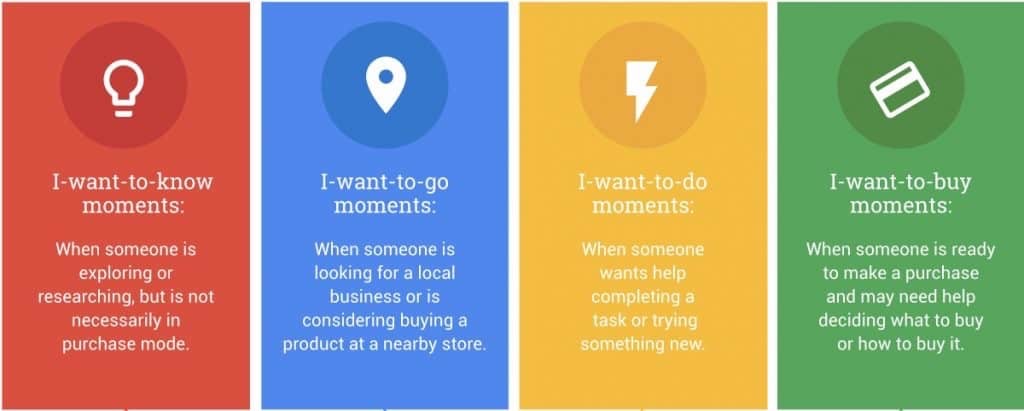
Needless to say, social media plays an active role in micro-moment advertising. It allows brands to connect with users directly, learn to understand them, and provide valuable real-time content that addresses their needs.
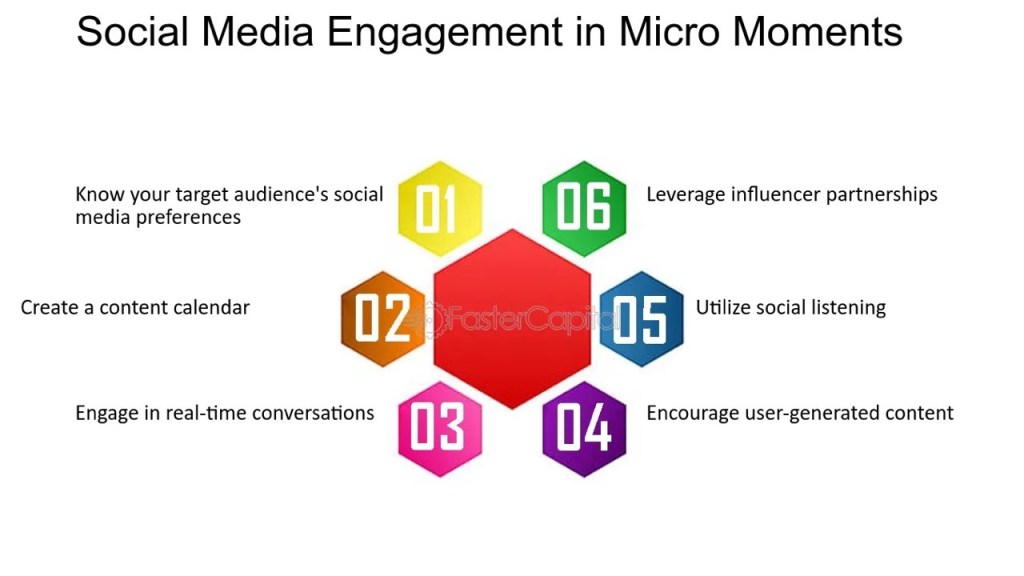
The rise of micro-moment advertising reflects the shift towards more personalized, responsive, and context-aware advertising strategies.
As consumers’ online behavior continues to evolve, advertisers must stay ahead of the curve by understanding and anticipating consumers’ needs in real-time.
17. Multi-Channel Advertising Campaigns for Seamless Brand Visibility
A survey by Gartner among experienced marketers found that campaigns integrating at least four digital marketing channels outperform single or dual-channel campaigns by 300%. Additionally, 84% of marketers acknowledge the efficiency of multi-channel campaigns over single-channel campaigns.
In 2024, businesses are leveraging multi-channel advertising to maximize growth and reach potential customers wherever they may be – online or offline.
With the average consumer interacting with brands across multiple channels daily, from social media and email to voice search, multi-channel campaigns are essential for reaching diverse audiences.Furthermore, 61% of customers anticipate brands to fine-tune their experiences based on their interactions across different channels. This indicates a demand for personalized and coherent communication, which multi-channel advertising trends can effectively deliver.