Key Takeaways
- Link building means getting other websites to link back to yours. These backlinks act like recommendations that tell Google your content is valuable. The more high-quality links you have, the better your chances of ranking higher in search results.
- How does link building help SEO? Link building helps your website earn trust from search engines. When reputable sites link to your content, Google sees it as a signal that your site is credible, which can improve your visibility, traffic, and long-term SEO performance.
- The best link building strategies in 2025 focus on quality over quantity. This includes using trusted SEO outsourcing services, creating helpful content, organizing internal links, using the right anchor text, and being careful with follow vs. nofollow links.
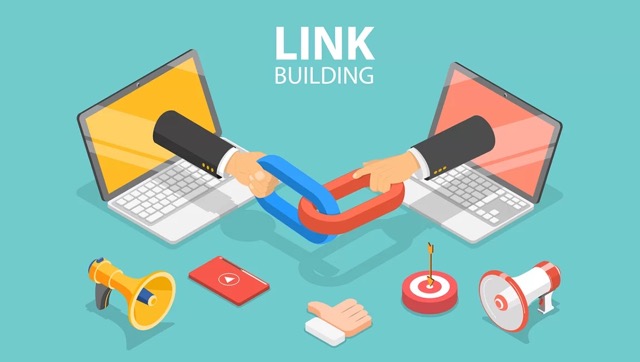
Link building. Source: LinkedIn
Ready to grow your SEO with smarter link building?
Let ROI Digitally help you earn high-quality backlinks that boost your visibility, traffic, and rankings, the right way!
What Is Link Building?
Link building is the process of getting other websites to add hyperlinks that lead back to your site. These links are like digital referrals, meaning when another site links to yours, it’s telling Google that your content is useful or trustworthy.
You can imagine each link as a vote of confidence. The more quality websites that link to your content, the more Google sees your site as valuable. As a result, your pages are more likely to rank higher in search results.
That’s why link building is such an important part of SEO. While it happens outside your own website, it plays a big role in helping you get more traffic, leads, and sales over time.
How Does Link Building Help SEO?
Link building helps your website show up higher on Google. When trusted websites link back to your site, it’s like they’re giving you a thumbs-up. Google notices these thumbs-ups, or “backlinks,” and sees them as a sign that your content is valuable.
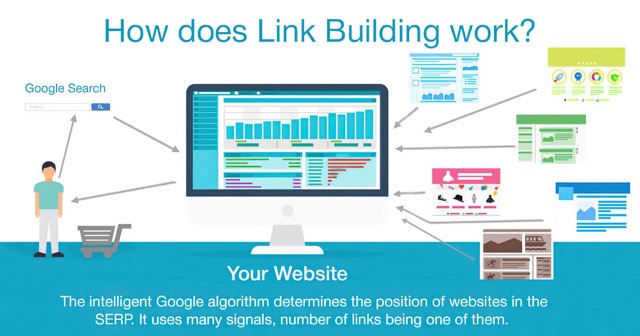
How does link building help SEO. Source: sitecentre
But not all links are equal.
A link from a well-known, respected website that talks about similar topics to yours is way more powerful than a random link from a tiny site that has nothing to do with your business.
For example, if you run a restaurant, getting a link from a top food blog or a trusted news site is much more helpful than getting one from your cousin’s personal blog about pets.
This is where quality matters more than quantity. SEO tools like Moz and Ahrefs have metrics, like Domain Authority (DA) or Domain Rating (DR), or Trust Flow (TF) that help measure how strong and trustworthy a website is. The higher those scores, the more valuable the backlink

DA & DR metrics tracked by Ahrefs. Source: Link Building HQ
So, what is link building in SEO really about?
It’s not just collecting a bunch of links. It’s about building meaningful, high-quality connections that show Google your website deserves to be seen.
Done right, link building can boost your rankings, drive more referral traffic or organic search traffic, and grow your business, all in a natural, long-term way.
Just remember: Google doesn’t like shady shortcuts. Avoid buying links or using spammy tactics. The best results come from earning your links the smart and honest way.
Best Link Building Strategies In 2025
1. Implement Key Link Building Techniques
Link building is all about getting other websites to link back to yours. These backlinks act like votes of trust — the more quality sites that link to you, the more Google sees your site as valuable and trustworthy. That can help boost your rankings in search results.
So, how do you do link building effectively in 2025?
Start with proven link building strategies like:
- Guest blogging: Write useful posts for other websites in your industry and include a link back to your site.
- Social media outreach: Share your content and connect with influencers who might link to it.
- Creating helpful content: Make things people want to share, like tutorials, how-to guides, infographics, or videos.
Guest blogging example with hyperlinks attached (blue words). Source: LinkBuilder.io
The key is to focus on quality over quantity. Getting one backlink from a well-known, trustworthy site is more valuable than several from small or unrelated blogs. This is where domain authority comes in, meaning the more respected the site linking to you, the more powerful the boost.
Learn more: What Is Topical Authority in SEO (And How to Build It)
2. Use Topic Clusters for Internal Linking
When we talk about link building, most people think about getting links from other websites. But did you know linking within your own site is just as important?
This is called internal linking.
There are two types of internal links:
- Inbound internal links: These point to your current post from other pages on your website.
- Outbound internal links: These take readers from your current post to other pages on your own site.
Internal links help both your visitors and Google understand how your site is structured. They guide people through your content and help search engines crawl and rank your pages more effectively. That’s why internal linking is actually a part of smart link building.
A great way to organize your internal links is by using a topic cluster strategy. This means grouping related content and linking between the main (pillar) page and supporting (cluster) pages. It keeps things organized, improves SEO, and helps readers find more helpful content.
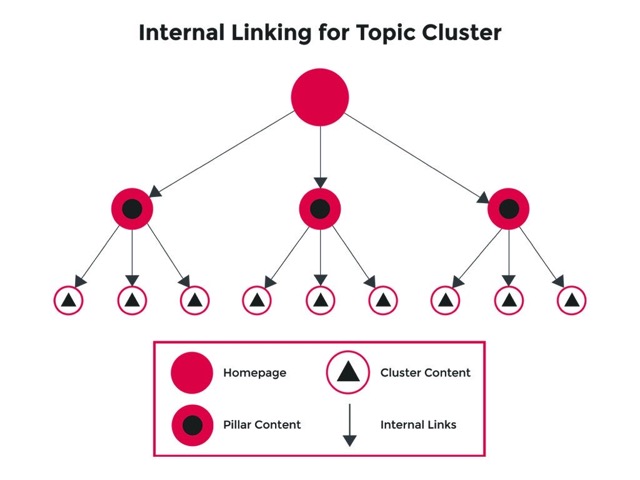
Topic cluster strategy for internal linking. Source: SEO Hacker
To do it well, make sure your anchor text, the clickable words in a link, is:
- Clear and descriptive
- Short and specific
- Easy to recognize
Good internal linking keeps people on your site longer, improves your authority in Google’s eyes, and boosts your chances of ranking higher.
3. Disavow Poor-Quality Backlinks
Not all backlinks are good for your website. While link building is a great way to boost your SEO, it only works if those links come from trustworthy, relevant websites.
Sometimes, low-quality or spammy sites link to your website, and that can hurt your rankings. These are called toxic backlinks, and they can make Google suspicious of your site.
That’s where disavowing comes in. If you find bad backlinks pointing to your website, you can tell Google not to count them. This is called disavowing backlinks, and it helps protect your site from being penalized.
Here’s how to do it:
- Use a backlink checker tool (like Ahrefs or Google Search Console) to review which sites are linking to you.
- If you find spammy or irrelevant links, collect them into a text (.txt) file.
- Go to the Disavow Links page in your Google Search Console.
- Select your website, upload the file, and submit it.

Disavow links on Google Search Console. Source: Traffic Think Tank
It might take a few weeks for Google to process, but it’s worth it, especially if you’re serious about clean, effective link building in SEO.
4. Find Trustworthy External Links
Link building isn’t just about getting other sites to link to you; it’s also about how you link out to others. When you add external links in your content, make sure they lead to trusted, high-quality sources.
Just like Google rewards websites for earning good backlinks, it also pays attention to where you send your readers. Linking to poor-quality or spammy websites can damage your credibility and hurt your SEO.

How external linking works. Source: Infidigit
A good external link means:
- It comes from a well-known, trustworthy website.
- It’s directly related to the topic you’re writing about.
- It adds value for your readers (like extra info, studies, or helpful tools).
- It’s placed on clear, keyword-rich anchor text, the clickable part of the link.
For example, if you’re writing about healthy recipes, linking to a well-respected food blog or nutrition site makes sense. But linking to a random or unrelated site can confuse readers and lower your content’s quality.
In 2025, smart link building means being just as careful about the links you give as the links you get. By linking out responsibly, you build trust with both your audience and search engines.
5. Be Smart With Anchor Text
When it comes to link building, one small detail can make a big difference: your anchor text.
Anchor text is the clickable part of a link, usually highlighted in a different color, that tells people (and search engines) what the link is about. For example, instead of saying “click here,” it’s better to use something more descriptive, like “best dog food for picky eaters.”
An anchor text matters:
- For Google: It helps search engines understand the topic of the page you’re linking to. Using clear, keyword-rich anchor text signals what the linked content is all about.
- For users: Good anchor text makes it obvious what they’ll see if they click the link. This builds trust and increases the chances they’ll actually follow the link.

Anchor text example. Source: Webserv
If you’re serious about smart link building, don’t overlook this detail. Use anchor text that’s:
- Descriptive – tell people what the link leads to
- Short and clear – avoid being too wordy
- Relevant – match the text with the content of the linked page
- Natural – avoid keyword stuffing or over-optimization
6. Know When To Use Nofollow and Follow Links
In link building, not all links are created equal. There are two main types: dofollow and nofollow links.
A dofollow link is the standard type. It tells search engines to follow the link and pass authority (SEO value) to the page you’re linking to. When you link to a trusted, high-quality site with a follow link, it can help both your website and theirs perform better in search results.
Use dofollow links when:
- Linking to reliable, high-quality websites
- You want to share SEO value with trusted content
- You’re aiming to support your SEO and help search engines understand your content

The definition of dofollow link. Source: SE Ranking
A nofollow link, on the other hand, includes a special tag in the HTML (rel=”nofollow”) that tells search engines not to pass authority to the linked page. Google will still see the link, but it won’t count it toward SEO rankings.
Use nofollow links when:
- Linking to paid or sponsored content, including affiliate links
- You don’t want to endorse the website
- You’re adding links in places prone to spam, like blog comments or forums
Even though nofollow links don’t directly improve your search rankings, they can still bring value by driving traffic and helping with relationship-building.

Code for nofollow link. Source: Conductor
7. Use SEO Link Building Services
Link building is one of the most important long-term strategies in SEO, but it takes time, effort, and patience. While you can fully manage your internal links, getting high-quality backlinks from other websites is much harder to control on your own.
That’s where SEO link building services come in. These are companies that specialize in helping businesses earn backlinks from relevant, high-authority websites. They take care of the outreach, research, and relationship-building, saving you hours of work and helping you scale your results.
But not all services are created equal. Be cautious:
- If a company promises quick results or guaranteed rankings, that’s a red flag.
- You should avoid any service that offers to sell backlinks, as Google considers that a violation of its guidelines.
- Large-scale link swaps or “black hat” tactics can hurt your rankings in the long run.
Instead, look for a service that’s transparent, ethical, and aligned with your business goals.
If you’re ready to grow your SEO the right way, let ROI Digitally help. We focus on real, results-driven link building to boost your visibility and traffic in a smart, sustainable way.
Explore SEO Link Building with ROI’s Outsoure SEO Services.