
Picture yourself in the world of digital marketing, facing two gigantic strategies: SEO vs SEA. Which one is better, SEO or SEA? Well, we are here to make it super easy to understand. Let’s find out which strategy suits you best.
SEO builds trust. SEA drives speed. The winning strategy depends on your stage, goals, and competition.
ROI Digitally helps you decode both, creating a personalized approach where performance and profit work together. Partner with us today to find the smarter way to rank and convert, tailor for your company!
What is SEO?
SEO is like the magic sauce that makes websites shine on search engines like Google and Bing. With SEO tricks, you can ensure your website appears promptly when someone searches for it.
Let’s explore further search engines to understand how SEO works. Search engines like Google use crawlers to crisscross the internet. These crawlers collect information and make lists called “indexes”. They start from one webpage and follow links to other pages.
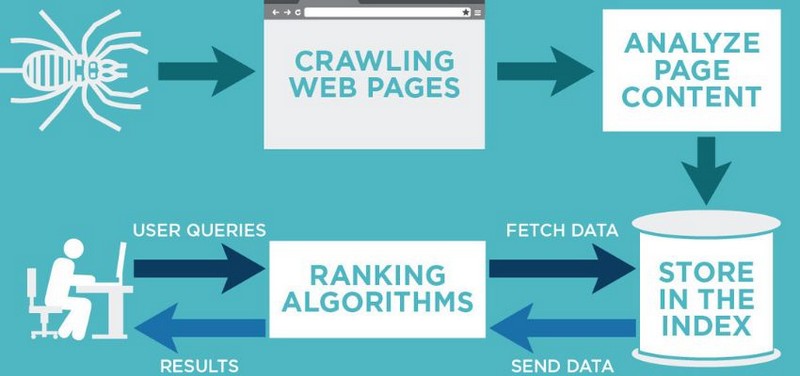
For example, if Google already knows about a page presenting clothes, it can follow links on that page to other related pages, like ones for jackets or hiking boots.
If the page about clothes links to a news article on TheGuardian.com, Google can also check out that article. The words and the links on the pages help Google understand their connection.
SEO comes in three flavours:
- On-page SEO: This method is the digital equivalent of cleaning your online space. It’s similar to tidying your website, where you polish elements like titles, headings, and content. This fine-tuning makes it easy for search engine algorithms to grasp the essence of your content.
- Off-page SEO: This method broadens your online presence beyond your website. Specifically, it revolves around getting other sites to give you acknowledgment or shouting you out on social media.
Check out the 8 tactics of Off-page SEO checklist to optimize your website authority.
- Technical SEO: Technical SEO is all about the technical aspects that make websites work well. This includes factors such as how people build the website, how fast it performs, if it works well on phones, and if it is easy for search engines to explore.
What is SEA Marketing?
Think of SEA as investing in search engine function to determine whether your website shows up first when people search for words.

You can set up an account and decide how much money you want to spend on each click. You still have to pick the right words to aim for, but the search engine helps you follow how well your ads are doing.
But remember, once you stop paying, your website might not appear anymore. So, you need to monitor and ensure your ads are still working well. And it can get expensive if many other websites try to show up for similar words.
But if you do it right, it can help your business flourish temporarily. With careful planning and watching the numbers, you can keep costs down.
5 Differences Between SEA and SEO
These two methodologies for online marketing, whether it’s SEO or SEA, are paramount. However, they operate distinctively. Let us delve into their disparities.
Organic vs. Paid Traffic
SEO attracts organic traffic, meaning visitors find your website naturally through search engine results. Conversely, SEA generates paid traffic, where you directly pay the search engine for visibility. While both methods require investment, organic SEO traffic results in visitors interested in what you offer.
Paid traffic is like putting up a billboard on the highway to get people’s attention, but not all will become customers.
Here is an example: Let’s say you run a small bakery. You invest in SEO by optimizing your website with relevant keywords, creating valuable content, and improving your website’s function. As a result, when people in your city search for “best cupcakes near me” or “artisanal bread,” your website appears in the top search results.
In contrast, you also launch a SEA campaign to promote your bakery. With SEA, you create ads targeting specific keywords related to your bakery, such as “fresh pastries” or “specialty cakes.” Whenever someone searches for these keywords, your ads appear prominently at the top of the search results, but you pay a fee each time someone clicks on your ad.
Learn more: 15 Proven Strategies: How to Drive Traffic to Your Website
Sustainability Factors
While SEO and SEA can require similar investments, paid ads through SEA might provide immediate returns, but these gains may be short-lived.
With SEO, you might not make much at first, but it is more steady. Plus, if you get to the top of the search results for free, you can stay there for a long time. Not to mention, you don’t have to keep paying for clicks like with paid ads. And some people don’t even click on ads, so they might see your website more if it shows up for free.
In contrast, your ad might not always be at the top with SEA, especially if others pay for similar words.
Content Scope
Both SEA and SEO require content, but SEA is more targeted. In paid ads, you often use similar words for every keyword you target.
However, with SEO, you need specific content for each word you want to rank for. While sometimes one piece of content can cover many phrases, you would usually need separate content for different groups of words.
Metrics & Conversions
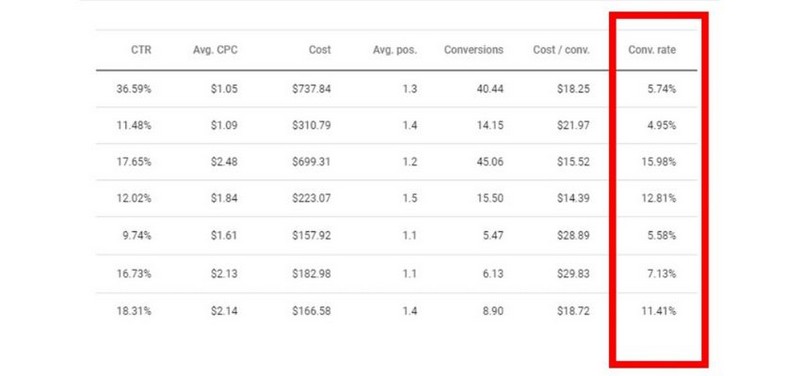
Some key metrics for both SEA and SEO include Click-Through Rate (CTR), Conversion Rate, Bounce Rate, and Time on Page. These numbers tell us how invested people are in our content and how smooth their ride is, directly impacting our ads and content performance.
When you use SEA, search engines give you many numbers to see how well each word is doing with different groups of people. You can also see which pages they look at on your website. Plus, you can see if people do what you ask, like call your phone number. The search engine tells you how many people called and how much each call cost.
Finding if your SEO effort is effective can also be difficult because it takes longer to see results than SEA.
Learn more: Measuring SEO Success: Metrics and Tools
Testing Functionality
Testing paid ads with A/B testing is pretty simple. You can show two different ads to see which one gets more people to do what you want, or you can try various words to see which ones make more people click.

A/B testing for SEO is a bit more tricky. You can test similar pages to see how well they appear in search results, but having two nearly identical pages can make your website rank lower overall.
SEO vs SEA Pros and Cons
SEO
Pros:
- Long-Term: SEO helps your website get a lot of visitors over time without paying for ads. It is like planting seeds: You start small, but with care, your garden grows over time without buying new seeds. Similarly, your website improves gradually with SEO, bringing more visitors without spending on ads.
- Free traffic: SEO does not cost money to attract visitors to your site, which saves money in the long run. With free traffic, you have a greater tendency to save on advertising costs while still making your website look inviting to visitors.
- Reliability: When your website appears near the top of search results, people trust it more, which can lead to more sales. This tactic taps into these psychological tendencies. Users are more inclined to click on your link because of its prominent position, which can increase trust in your brand and sales overall.
Cons:
- Time consumption: It can take 3-6 months to see results from SEO because you have to do a lot of work, like researching, creating content, and fixing technical stuff. It is crucial to be patient, especially if your website is new or if there are many other websites like yours.
- Constant changes: The constantly changing search engine rules can be strict, making it hard to keep up and stay effective. Think of search engine algorithms as puzzles that keep changing. You must keep solving them to make sure your website stays at the top of search results.
- Uncertainty: Working on SEO might not give quick results, so it is hard to know what will happen instantly or if it is worth it. However, with ROI Digitally—the best SEO Michigan Company—you can access SEO services designed for long-term success. Explore now for innovative solutions!
SEA
Pros:
- Quick results: SEA ensures your ads appear at the top of search results, which is good for promoting things quickly. For example, when people search for “best hiking boots” and immediately see your website at the top, there is a great chance they will click on it. This can lead to more sales for your store as customers are often drawn to the first few results.
- Targeted audience: SEA lets you show your ads to specific groups of people. This method ensures that you can effectively advertise to the right audience.
- Performance measurement: SEA gives you many numbers: how many times people saw your ad, how many times people clicked on it, how many people bought something because of it, and how much it cost. This measurement helps you see how well your ads are doing and change your plans if needed.
Cons:
- Expenditure: Using SEA means you must keep paying for clicks because you will not get traffic to your website if you stop. Accordingly, you have to be careful with how you spend your money so you don’t spend too much.
- Update requirement: To keep ads working well, you must update them often to ensure they are still good. This takes a lot of time because you must monitor and optimise things.
- High expense: In competitive industries, the cost of using certain words in ads can increase. Companies might end up spending more money to get their ads shown. They should be careful to spend enough to get people to notice, but not too much.
In short, both SEO and SEA have good and bad sides, and the best depends on what you need. Using both together usually works best because they help each other and give you a good plan for online marketing.
SEO vs SEA Marketing – Which is Better?
There is no clear winner in the SEO vs SEA marketing showdown. Each approach has its pros and cons. The right choice depends on your business goals, budget, and how urgently you are itching for results.

We recommend weighing the advantages and limitations of both SEO and SEA before deciding. When determining the optimal strategy, consider your business objectives, budget, and timeline for results.
At ROI Digitally, we can help you find the perfect balance for your business. Contact us today to learn more about our services and how we can help you achieve your digital marketing goals.
Frequently Asked Questions
Let’s uncover these common questions about SEO and SEA:
What is SEO and SEA Abbreviation?
SEO, as in search engine optimization, which we mentioned above, is the strategy people use to improve a website’s visibility so it appears more prominently in organic search results.
SEA, also known as Search Engine Advertising, pays search engine companies to ensure your website appears at the top of search results for specific keywords.
What Includes SEO and SEA?
SEO focuses on making it easy for people to find a website when they search for something online. Specifically, SEO involves finding the right keywords for your site, ascertaining that your website works well on all devices (phones, computers, tablets, etc.), and scoring backlinks from other sites.
On the other hand, SEA is when you pay to have your website shown at the top of the search results. This strategy covers factors like paying for ads that appear when people search for keywords, writing keyword-triggered advertisements that make people instantly want to click, and ensuring the page people land on is related to what they searched.
How Can SEO and SEA Work Together?
When SEO and SEA work together well, they make a strong team for digital marketing. With SEA, businesses can get noticed instantly, while SEO helps them stay noticed for a long time.
Also, SEA can teach businesses about which words work best, which helps make SEO even better. Businesses can also learn from excellent SEA ads and use those ideas for regular content. Plus, businesses can make the most of both strategies by spending money wisely on both SEO and SEA.
In short, knowing about SEO and SEA helps businesses make smart choices and have a complete plan for digital marketing.