
Key Takeaways
- An SEO audit thoroughly reviews your website’s performance by checking factors like site structure, technical SEO, content quality, and backlinks. This helps identify issues and areas for improvement that can boost your rankings and organic traffic.
- It’s important to prioritize quality over quantity in areas like backlinks and content. Good SEO practices, such as using relevant keywords naturally and ensuring backlinks come from authoritative sources, help build your site’s credibility.
- SEO is an ongoing process. Regular audits help you stay updated with the latest best practices, ensuring that your website remains optimized for search engines and continues to perform well over time.
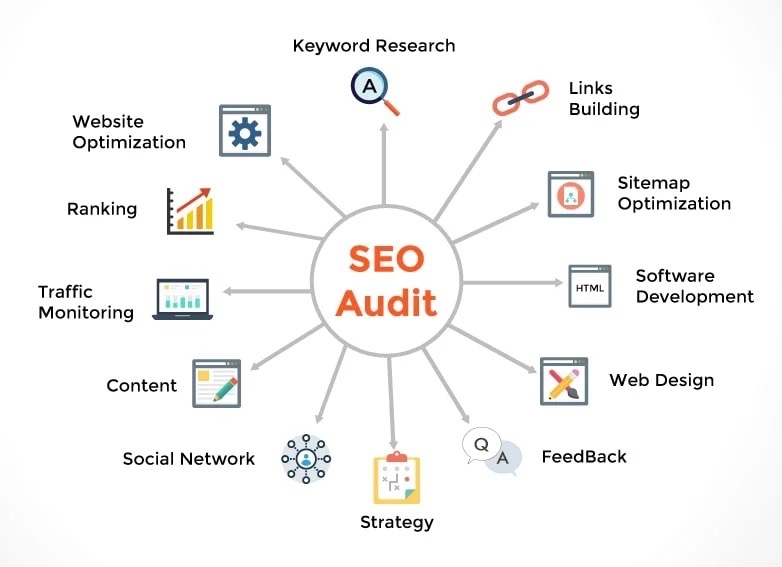
SEO Audit. Source: Momentum Digital
For professional help with your SEO audit, visit ROI Digitally.
What Is SEO Audit?
An SEO audit is a thorough review of your website to assess how well it’s performing in terms of search engine optimization (SEO). Essentially, it examines various factors that affect how search engines view and rank your site.
SEO audit involves:
- Technical SEO: Checking your website’s backend to ensure it’s easy for search engines to crawl and index.
- On-page SEO: Looking at things like your website content, keywords, and meta tags to make sure they’re optimized.
- Off-page SEO: Analyzing external factors like backlinks that influence your site’s authority.
- Content quality: Ensuring your content is valuable, relevant, and engaging for users.

SEO audit involvement. Source: Jay Mehta
The benefits of an SEO audit include improving your site’s visibility on search engines, fixing technical issues, enhancing user experience, and identifying keyword opportunities to attract more targeted traffic.
It also helps you stay ahead of competitors by revealing their SEO strategies.
Why SEO Audit Is Important?
A SEO audit is important because it helps identify issues that could be holding your website back from ranking higher on search engines and providing a good user experience.
By performing a thorough SEO audit, you can uncover problems and areas for improvement that directly affect both your search engine visibility and the overall user experience. Other than that, it:
- Uncovers Hidden Issues: It helps spot things like broken links, slow loading times, or poor site structure—issues that can hurt your rankings and make your site frustrating for visitors.
- Optimizing On-Page SEO: A good audit ensures your content is relevant, uses the right keywords, and is easy to navigate, helping improve how search engines understand your site.
- Improving Technical SEO: It identifies technical issues such as crawl errors, duplicate content, and poor HTML usage, which can harm your rankings if left unaddressed.
- Analyzing Backlinks: It examines your incoming links, identifying any that could harm your site’s reputation, helping you maintain a strong backlink profile.
- Enhancing User Experience: It finds ways to improve the overall usability of your site, making it easier for visitors to see what they need and improving conversion rates.
- Boosting Organic Traffic: By fixing the issues identified in the audit, your site can appear higher in search results, attracting more organic traffic.
- Sustaining Long-Term SEO Success: Regular audits keep your site aligned with the latest SEO practices, helping you stay competitive and maintain strong rankings over time.
How To Perform An SEO Audit
1. Crawl & Check Site Audits
When performing an SEO audit, the first step is to crawl and conduct site audits.
Essentially, this means scanning your website to evaluate its current state and identify any issues that could affect its performance. The crawl helps you establish a baseline, which you can use to monitor SEO progress and improvements during the audit.
Crawl your site regularly on SEO tools like SE Ranking. Source: SE Ranking
To get started, it’s helpful to run an automated scan on your website once a month.
This can flag basic issues like bounce rate, conversions, and page views, which might appear as major problems, such as broken links, missing or duplicate content, or incorrect page titles and meta descriptions.
If you spot any significant issues, it’s a good idea to consult with a professional for a more in-depth audit. For a comprehensive review, a full audit should be done annually.
Some key areas to focus on during your technical SEO audit are:
- URL Structure: Ensure your URLs are unique, clean, and easy to read.
- Content: Check if your content is well-written, well-formatted, and up to date.
- Meta Descriptions: Ensure each page has a unique, appropriately length meta description.
- Links: Review internal and external links to ensure they work, aiming for around five per page.
- Images: Ensure image descriptions are accurate and relevant.
- Website Structure: Is your site easy to navigate, with clear menus and intuitive layouts?
2. Test Your Page Speed
Page speed is a crucial factor when performing an SEO audit, as it plays a big role in how users experience your site.
A fast-loading website (faster than 3 seconds) creates a better user experience, while a slow one can lead to higher bounce rates, especially in today’s fast-paced world where attention spans are short.
If your website is a key part of your business, a slow page speed could hurt your conversions.
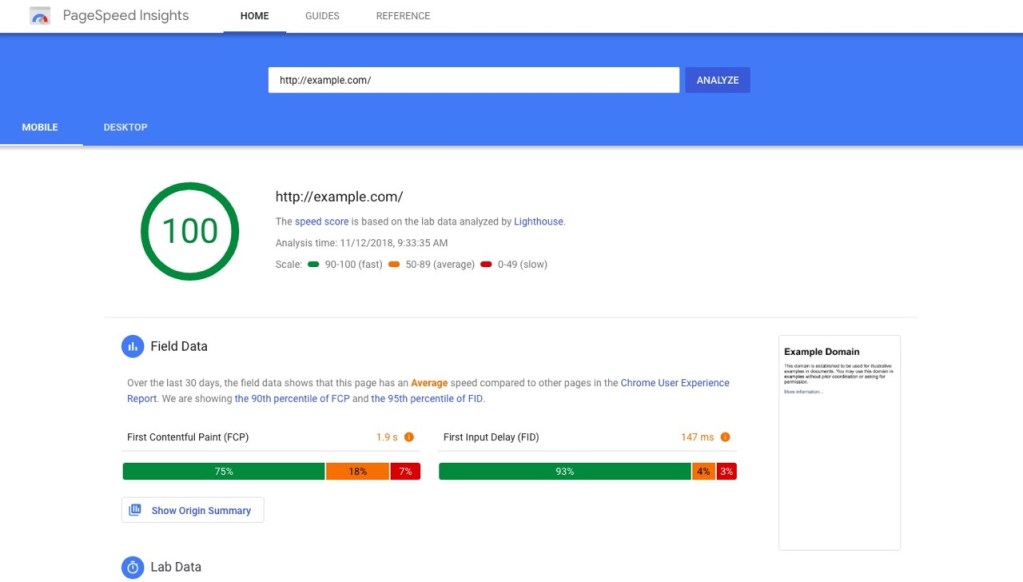
Check your page speed to avoid bounce rate from slow loading. Source: Google for Developers
To get a good sense of how your page speed is performing, you can use some useful SEO audit tools:
- Google’s PageSpeed Insights: This tool lets you test your site’s load speed on both desktop and mobile devices, providing helpful data on how quickly your pages render.
- YSlow: Another handy tool that checks your pages and suggests improvements, such as compressing images and optimizing other elements to speed up the site.
- Pingdom Website Speed Test: This tool dives deep into each web page, breaking down its components, sizes, and load times, so you can see exactly what might be slowing your site down.
Running a page speed test helps identify which parts of your site are dragging down its performance. Once you know what needs fixing, you can start optimizing those elements, which will ultimately improve your site’s speed and boost your SEO.
3. Conduct Your Site Structure
Site structure is a key part of your SEO audit because it directly affects how both users and search engine bots navigate your website.
A well-organized site structure leads to a better user experience and helps search engines understand your content, which in turn improves your search rankings.
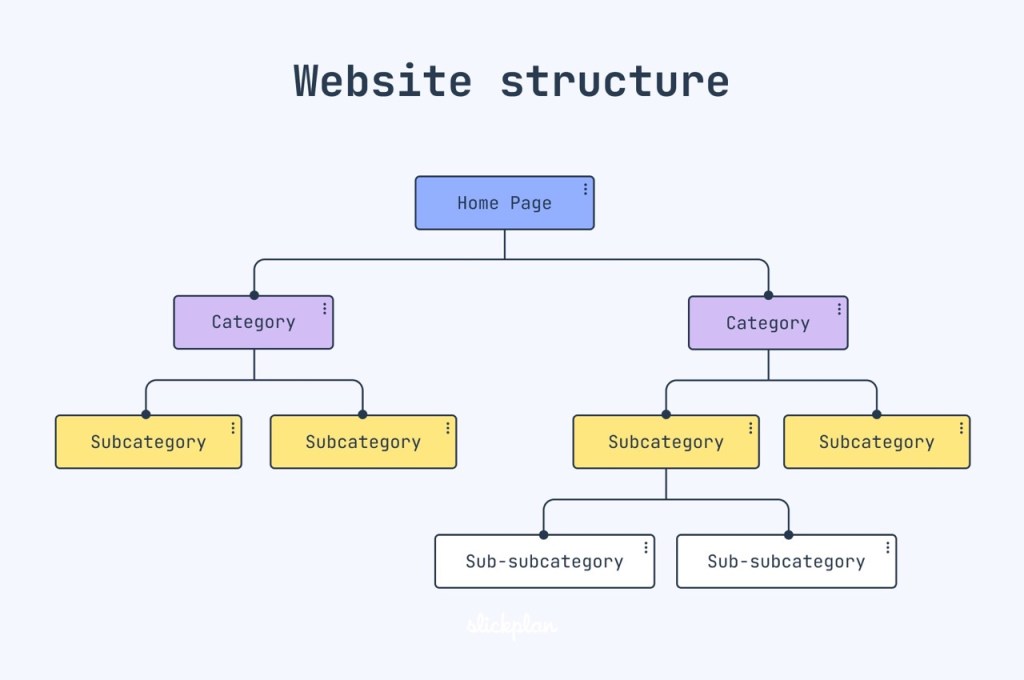
Frequently check your website structure to enhance how users and search engine crawl your page. Source: Slickplan
To make sure your site is set up for SEO success, focusing on:
- Logical Organization: Your website should have a clear and organized layout that is easy to navigate. This makes it simple for both visitors and bots to find and access information quickly.
- Sitemap: A comprehensive and accurate sitemap is essential for helping search engines crawl and index your site properly. Make sure it’s submitted to your webmaster tools so that search engines can easily access it.
- Strong URL Structure: Your URLs should be clean, simple, and reflect your site’s hierarchy. Avoid using symbols or unnecessary numbers.
- Navigation Menu: Ensure that all your important web pages are linked in the top navigation menu. This makes it easier for both visitors and bots to navigate your site and find what they need.
- Internal Links: Include links between your pages. Internal linking helps guide users and bots through your site in a logical way, improving both SEO and the user experience.
4. Evaluate Your Content
Content is a major part of your SEO audit because it plays a huge role in how well your site ranks and how visible your brand is to searchers.
Google loves fresh, unique, and relevant content that aligns with what people are searching for. If your website’s content meets these needs, it will help you rank higher on Google Search and attract more visitors.

Evaluate if your content has met these sources. Source: Virtual Library
To audit your content for SEO, you’ll need to:
- Evaluate Existing Content: Review the content already on your site to ensure it’s up-to-date, unique, and valuable to your audience. This helps boost your visibility and rankings in search results.
- Create New Content with SEO in Mind: When adding new content, use relevant keywords naturally, without overstuffing them. It’s important to find a balance—too many keywords can make your content seem “spammy,” which could hurt your rankings.
- Focus on Value and Relevance: The most important thing is to create content that provides value to your readers. Google rewards content that answers user questions and fulfills their search intent.
- Use a Content Calendar: A content calendar helps you plan your content and track the keywords you want to target. It also keeps you up to date with trends in SEO and content marketing, ensuring that your content remains relevant and effective.
5. Check Your Tags
When performing an SEO audit, checking your tags is essential because they help search engines understand the content of your pages. Optimizing these tags can improve your site’s SEO and make it more user-friendly.

Checking for tags. Source: Search Engine Journal
Tags include:
- Title Tags: These are the clickable headlines that appear in search results. Make sure your titles are concise, descriptive, and clearly convey what the page is about. Keep them short (around 60 characters) because search engines will cut off longer titles. Whenever possible, include relevant keywords to improve your SEO.
- Meta Descriptions: A meta tag is a brief description of a webpage’s content, displayed in search results. If your meta description is well-written and includes relevant keywords, it can encourage searchers to click on your page. While it doesn’t directly impact rankings, it plays a crucial role in driving traffic.
- Alt Tags for Images: Alt tags are text descriptions for images, which help search engine bots understand what the images are about. They also improve digital accessibility by describing images for those who are visually impaired. Including relevant keywords in alt tags, when it makes sense, will positively impact your SEO.
- Canonical Tags: To avoid duplicate content issues, each page should include a rel=”canonical” tag in its HTML. This tells search engines which version of a page to prioritize if there are multiple versions with similar content.
- Blog Post Tags: Organize your content using SEO blog post tags. These tags help search engines crawl your site more efficiently and can improve the structure of your content.
6. Monitor Your Backlinks
When performing an SEO audit, checking your backlinks is an essential step in understanding your site’s authority and trustworthiness.
Backlinks are links from other websites that point to your site, and search engines use them to assess your site’s quality.

Use backlink monitor tools to have an in-depth analysis. Source: Inspyder
But why does it matter?
- Quality Over Quantity: The focus should be on getting backlinks from reputable, high-quality websites, rather than just the number of links you have. Having links from trusted sites helps improve your SEO, while links from low-quality or spammy sites can actually harm your rankings.
- Avoid Link Farming: In the past, some people used a tactic called link farming, where they exchanged links with other sites just to boost their SEO. This is now considered an outdated and risky practice, and search engines have become better at identifying and penalizing it.
- Diversify Your Backlinks: It’s essential to ensure that your backlinks come from a variety of different websites, rather than just one or two sources. If most of your links come from the same site, it can appear suspicious and negatively impact your SEO. A mix of diverse, authoritative backlinks will improve your site’s reputation.
Frequently Asked Questions
- What is the SEO audit?
An SEO audit is a detailed evaluation of a website’s performance in terms of search engine optimization (SEO). It involves analyzing various aspects like site structure, content quality, keywords, backlinks, page speed, and technical elements to identify areas for improvement.
The goal is to ensure that the website is optimized for search engines, improving its visibility, user experience, and ranking on search engine results pages (SERPs).
By conducting regular SEO audits, you can spot issues early, stay ahead of competitors, and drive more organic traffic to your site.
- How to do a complete SEO audit?
To perform a complete SEO audit, follow these steps:
- Site Crawl: Use tools like Google Search Console or Screaming Frog to analyze your site and identify issues like broken links, missing metadata, and duplicate content.
- Page Speed: Check the loading time of your pages using tools like Google PageSpeed Insights.
- Content Evaluation: Assess your content for quality, relevance, and keyword optimization.
- Backlinks: Analyze the quality and quantity of your backlinks using tools like Ahrefs.
- Mobile Optimization: Ensure your site is mobile-friendly and responsive.
- Technical SEO: Check for crawlability, URL structure, and site indexing.
- What is an SEO technical audit?
An SEO technical audit focuses on evaluating a website’s technical elements that affect its search engine rankings. This includes checking aspects like site speed, mobile responsiveness, URL structure, HTTPS security, and crawlability by search engine bots.
It also involves reviewing the site’s sitemap, robots.txt file, and resolving any errors or broken links. The audit aims to ensure that search engines can easily crawl and index the site, improving its visibility in search results.
A well-executed technical SEO audit helps improve user experience and boosts rankings on search engines.