
Key Takeaway:
- The top 15 social media platforms include various types of content, such as social networking (Facebook, Instagram), messaging (WhatsApp, Messenger), video-sharing (YouTube, TikTok), and discussion forums (Reddit).
- Platforms focusing on short-form video content, like YouTube, Instagram (with Reels), and TikTok, are experiencing rapid growth.
- While U.S.-based platforms like Facebook, YouTube, and Instagram are globally popular, platforms like WeChat and Douyin/TikTok have massive user bases in China and other Asian countries.
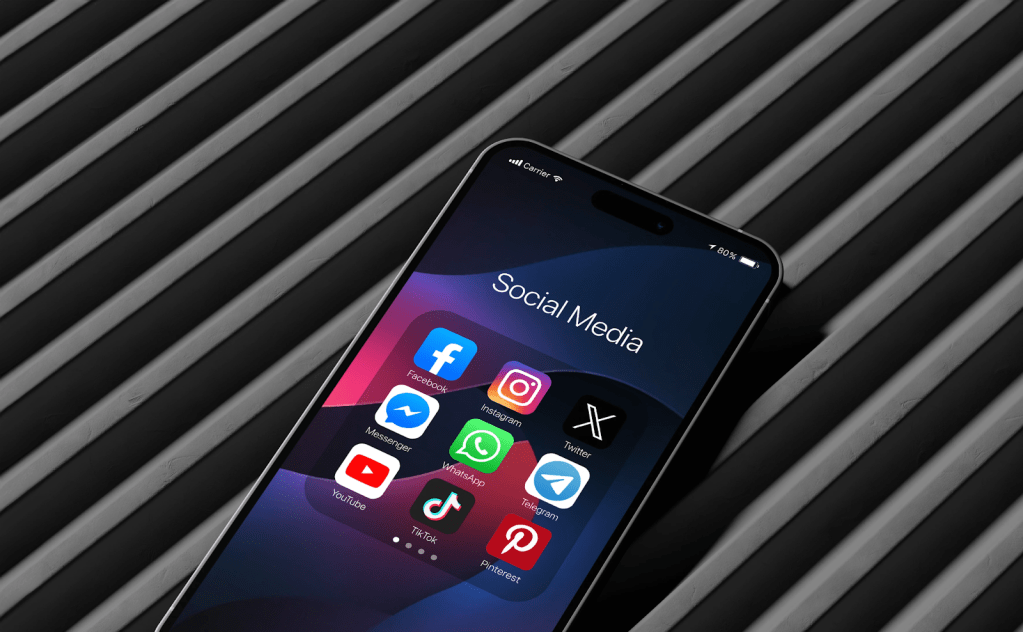
Top 15 Social Media Platforms In 2024
Top 15 Social Media Platforms In 2024
| Social Media Platforms | Content Type Support |
| Status Photos Live streams | |
| YouTube | Videos Playlists Live streams |
| Text messages Voice messages Group chats | |
| Photos Videos Stories | |
| Text messages Voice messages | |
| TikTok | Short-form videos Live streams |
| X | Short text posts (tweets) Threads (chains of connected tweets) |
| Professional profiles Job postings Events | |
| Images (pins) Boards (collections of pins) Stories (similar to Instagram stories) | |
| Text posts (self-posts and links), comments Upvotes/downvotes Subreddits (communities focused on specific topics) | |
| Threads | Short-form text posts |
| Snapchat | Photos and videos with disappearing messages Groups (called “chats”) |
| Telegram | Text messages Voice messages End-to-end encryption |
| Discord | Text chat Voice chat Communities called “servers” with channels for specific topics |
| Quora | Text Questions and Answers Upvotes, DownvotesComments |
1. Facebook
Facebook is the largest social networking platform, boasting a staggering user base of over 3 billion people each month. Its companion app, Facebook Messenger, enjoys a monthly user count of 931 million. Statista says the platform accounts for about 37% of the global population. The massive customer base makes it a reliable choice for establishing a social media presence.

Facebook is the most common platform on the Internet.
Getting started on Facebook is straightforward because it supports various content types like text, images, videos, and stories. For maximum engagement, the best time to post on Facebook is generally between 1 PM and 3 PM on weekdays. However, the platform’s algorithm favors content that encourages conversations and meaningful interactions, particularly among friends and family.
| Pros | Cons |
| – Empower businesses with a powerful advertising platform boasting millions of active advertisers. – Embrace diverse content formats, from text and images to captivating videos and engaging Stories. – Experience effortless usability and intuitive navigation, catering to both individuals and companies. | – Concern over privacy and data handling practices. – Spread of misinformation and fake news. |
2. YouTube
YouTube is a popular platform for short and lengthy videos. It’s the second-largest social media app and search engine after Google, its parent company.
In the fourth quarter of 2023, Variety reported that YouTube ads brought in $86.31 billion in revenue for the year. This figure doesn’t include earnings from sources other than advertising, such as subscription fees from services like YouTube TV and YouTube Premium.
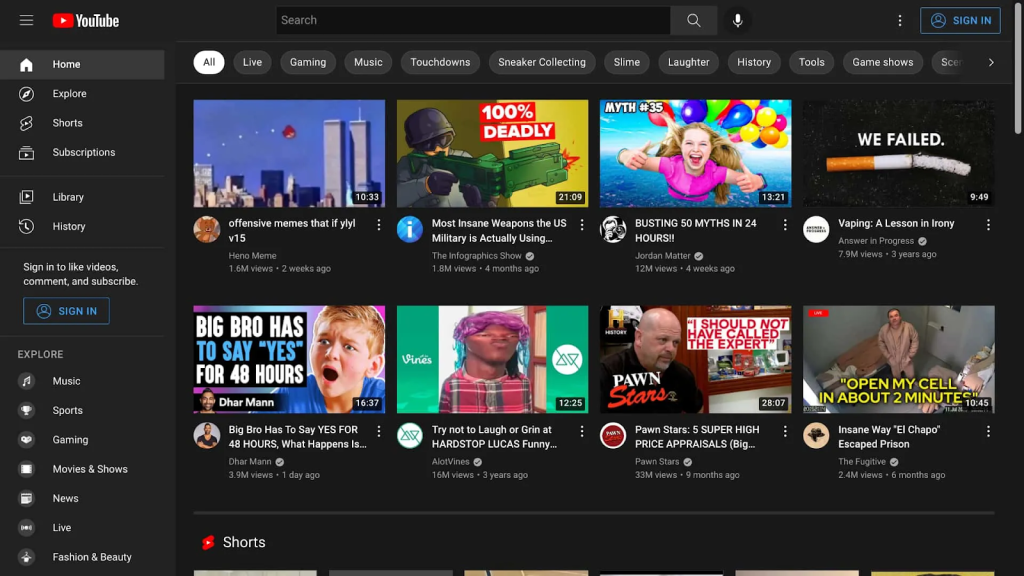
YouTube is the platform for video content.
For brands looking to focus on video-centric marketing, prioritizing YouTube is critical. The platform once stated that it is a potent marketing tool, with viewers twice as likely to purchase after seeing something on YouTube as other platforms.
They’re also four times as likely to seek information about brands, products, or services.
For maximum visibility, schedule your YouTube videos for release between 2 PM and 4 PM on weekdays and between 9 AM and 11 AM on weekends. You can find out more about best time to post on YouTube.
| Pros | Cons |
| – Diverse content ranging from entertainment to educational resources. – Provide various monetization options for content creators. | – Face competition is fierce, making it challenging for new creators to stand out. – Focus on copyright issues and content moderation challenges. |
3. WhatsApp
WhatsApp is among the best social media apps, with around 2 billion monthly users, most of whom are in India and Brazil. With a user-friendly design and strong security measures, it has become a cornerstone of modern connectivity, focusing on instant messaging and voice calls globally.
WhatsApp’s businesses provide support and updates so companies can connect with a wide range of users efficiently. The WhatsApp Business app aids small ventures in customer interactions, while larger enterprises utilize the WhatsApp Business API for more extensive needs.

WhatsApp Business allows businesses to showcase their products and services directly.
These tools Privacy is paramount for WhatsApp, with end-to-end encryption safeguarding user data. Regular updates ensure the platform remains relevant and effective for users worldwide.
| Pros | Cons |
| – Facilitate quick communication through instant messaging and voice call features. – Ensure privacy and security with end-to-end encryption. – Utilize dedicated business platforms like the WhatsApp Business app and WhatsApp Business API for customer support and updates. | – Hinder usage in areas with poor connectivity due to reliance on internet connection. – Lack of features when compared to some other messaging platforms. |
Learn more: 7+ Best Social Media Analytics
4. Instagram
Instagram, a leading social media platform with more than 1 billion monthly users worldwide, by Meta. Instagram is known for its focus on visual content, and its users can share photos and videos that are either public or private.

Businesses can create interactive notes and group sharing on Instagram.
Instagram encourages interaction through likes, comments, shares, and in-app messages. Additionally, its influencer community plays a significant role in shaping trends and promoting products, further enhancing its appeal.
Since the launch of Instagram Shop in 2018, Instagram Business has become one of the best social media platforms for businesses. Particularly for B2B enterprises, Instagram Shop presents a lucrative opportunity to engage potential customers and convert them into buyers. Instagram is a gold mine for businesses aiming at the under-35, as over two-thirds of its users are in this age group.
For maximum reach, utilize the best time to post on Instagram.
| Pros | Cons |
| – Facilitate the seamless transition from product exploration to purchase. – Offer a visually engaging platform for product promotion. – Provide analytics tools for tracking engagement and performance. | – Require consistent and engaging content creation. – Limit link options within posts hinder traffic to external websites. |
5. WeChat
It was initially named “Weixin,” WeChat was introduced in 2011 by Tencent and has since evolved into a versatile social media hub, especially favored in China. It allows users to send text messages, voice messages, photos, videos, and files to each other.
With over a billion active users monthly, WeChat seamlessly blends diverse communication and lifestyle tools into one application.
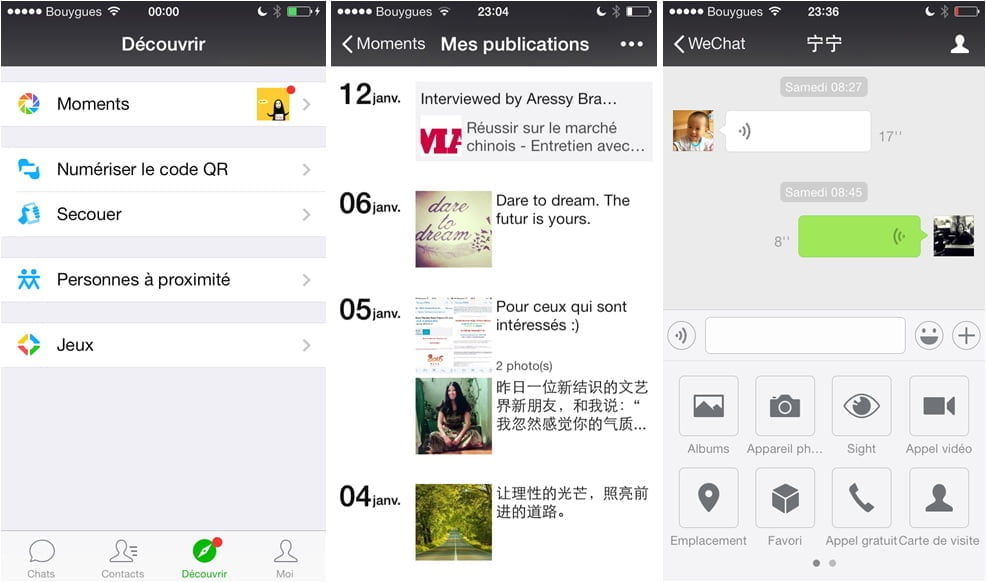
Customers can engage with the brand all in one app via WeChat.
Key features include messaging, voice/video calls, and a “Moments” feed for sharing updates. Its standout feature is the integrated ecosystem, notably WeChat Pay, allowing users to manage transactions within the app, from bill payments to shopping.
For businesses, WeChat offers a comprehensive platform for customer engagement. Official accounts facilitate sharing updates and promotions, while the Mini Program feature supports lightweight app development within WeChat for services like e-commerce.
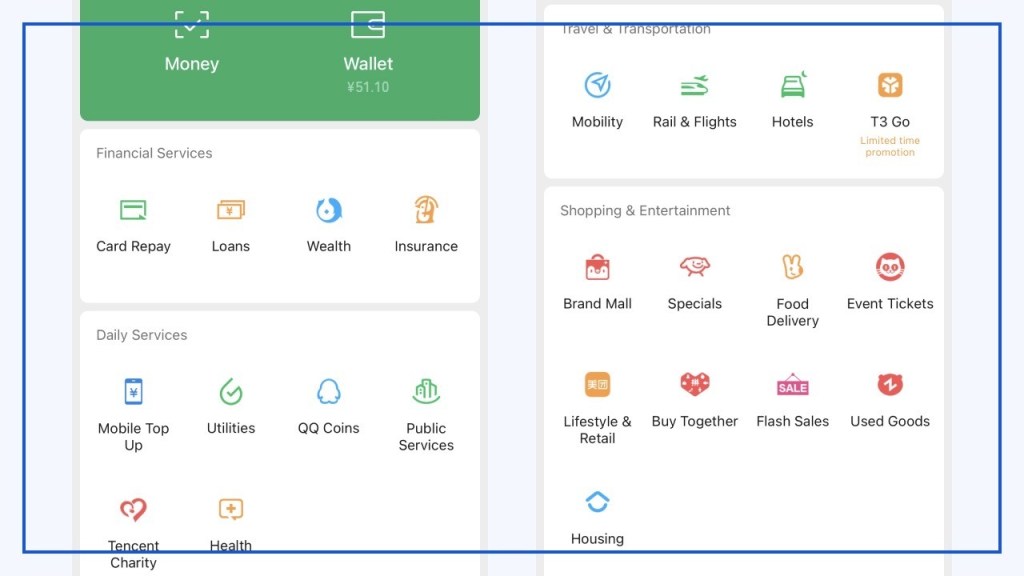
In China, almost all businesses use WeChat to communicate with their customers.
| Pros | Cons |
| – Facilitate seamless communication and networking. – Integrate various lifestyle services into one platform. – Offer convenient mobile payment solutions. | – Lead to over-reliance on digital interactions. – Face regulatory challenges in some countries. |
6. TikTok
In China, TikTok is named Douyin. Both platforms come from the same parent company, ByteDance, and share essential functions, but they cater to different audiences in different regions. As the premier hub for short videos, TikTok aims to inspire creativity and spread joy, a goal it is achieving. It is the fastest-growing social media platform in the world in 2022-2023, and its user base continues to grow rapidly. This platform highlights its creative and engaging videos, which can be anything from funny dances to educational tutorials.

If your business wants to access the Chinese market, you should use Douyin.
Despite facing bans in certain regions, such as the U.S. and India, TikTok remains immensely popular worldwide, surpassing 3.5 billion downloads. It’s particularly favored among Generation Z, making it a prime platform for brands looking to connect with this demographic.
For businesses, TikTok Shop is a feature that allows businesses to sell products directly to users. Companies can create a TikTok Shop profile, add products, and promote their products to followers through videos, live streams, and other content.
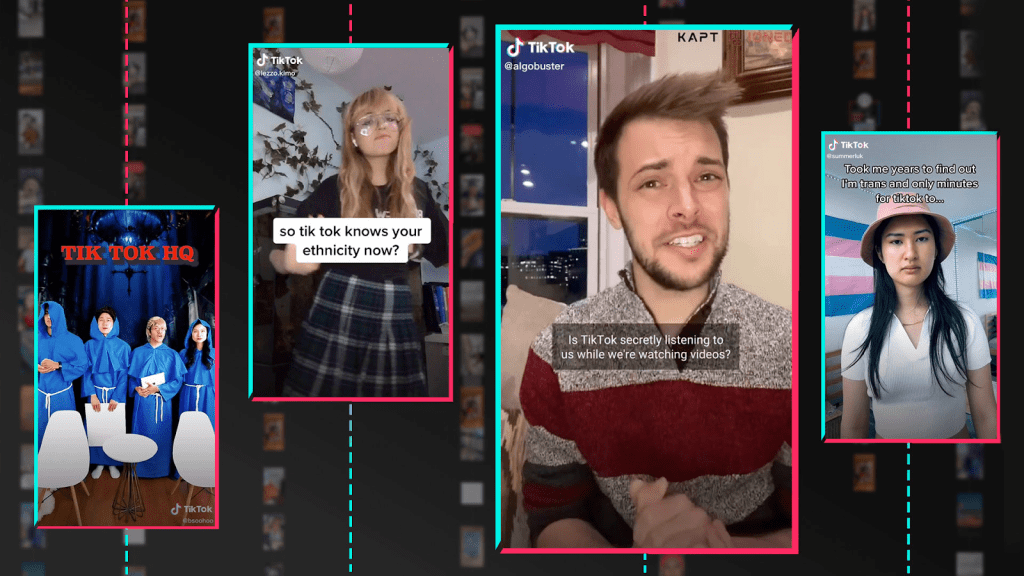
A viral clip on TikTok can increase your brand‘s awareness and sales.
TikTok Ads allows businesses to advertise their products and services on this channel. Companies can choose the best time to post on TikTok and create a variety of ad formats, including video, image, and carousel ads. They can then target their ads to specific audiences based on demographics, interests, and behaviors.
| Pros | Cons |
| – Facilitate creative expression through short videos. – Offer a platform for talent discovery and promotion. – Foster community engagement through challenges and trends. | – Have potential for privacy and data security concerns. – Challenge towards content moderation issues and misinformation spread. |
7. X
Before its rebranding in April 2023, X, formerly known as “Twitter,” was a platform for instant communication, information sharing, and public discussions. It allowed users to share short messages called tweets.
Businesses can use X to share product and service information with potential customers. This platform releases business-supporting features such as X ads, X analytics, X cards, and X direct messages. By utilizing them, businesses can reach more audiences and build brand awareness.

Many brands have successfully enhanced their awareness on Twitter.
| Pros | Cons |
| – Connect instantly and share information effortlessly. – Facilitate global conversations and foster community engagement. – Provide a platform for breaking news and staying updated on current events. | – Limit character count for free users may restrict expression. – Depend on algorithmic timelines, content visibility need to be improved. |
8. LinkedIn
LinkedIn, often underestimated among social media platforms, has emerged as a significant player, particularly for professionals. Although it may not have been initially anticipated to gain traction due to its career-centric nature, it has cultivated a large and influential community.
With over 180 million users in senior positions, 63 million decision-makers, and 10 million C-level executives, LinkedIn serves as a prime platform for connecting with influential individuals who hold the power to impact your business, whether through hiring, stocking products, or forming partnerships.

Many professions in the world love to share their valuable information on Linkdeln.
Beyond networking, LinkedIn is one of the best social media for business. Weekly, 61 million users explore job opportunities on the platform, making it a strategic place for brand promotion.
| Pros | Cons |
| – Connect with professionals worldwide – Access to job opportunities and career advancement – Network with industry leaders and influencers | – Require dedication to maintain an active profile and engage with connections. – Limit interaction compared to other social media platforms. |
Learn more: Best Time to Post on LinkedIn: Statistically Revealed
9. Pinterest
Pinterest is a social media platform that allows users to discover and share ideas through images, known as “pins.” Users can create boards to organize their pins by topic, and they can follow other users to see their boards.
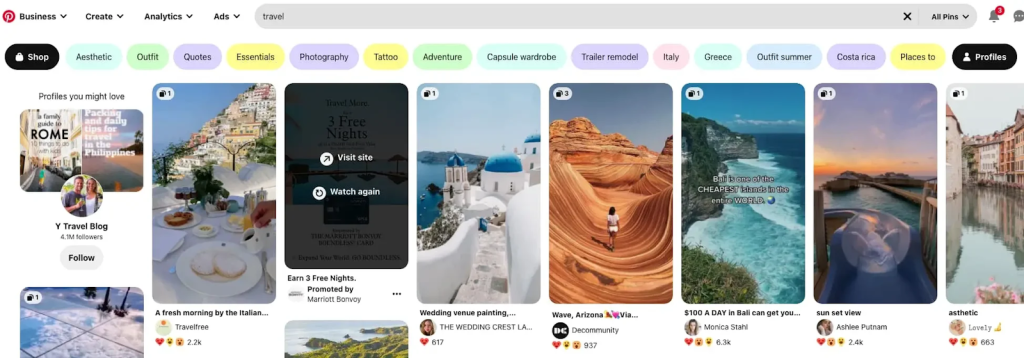
You can gain traffic to your website by clicking on the links in an image.
A Pinterest Business Profile unlocks valuable features like analytics and promoted pins, allowing you to measure performance and strategically reach your target audience. For the most effective strategy, tailor your best time to post on Pinterest, but generally aim for evenings and late nights.
Furthermore, Pinterest Ads provides a platform for targeted advertising, while Rich Pins equips you with the ability to showcase additional product details like pricing and availability. The platform takes it further with Buyable Pins, enabling seamless in-app purchases for users and streamlining the path from discovery to conversion.
| Pros | Cons |
| – Spark ideas and creativity through its visually rich content. – Network with industry leaders and influencers. – Drive traffic to your website with visually engaging content on Pinterest. | – Engage women predominantly, but may not resonate with other audiences. – Rely on text, potentially hindering audience engagement. |
10. Reddit
Reddit is a social news aggregation, web content rating, and discussion website. Registered members submit content to the site, such as links, text posts, images, and videos, which others then vote up or down.
Posts are organized by subject into user-created boards called “subreddits,” which cover a wide range of topics, from news and politics to science, technology, gaming, books, music, fitness, food, and image-sharing. According to Alexa, Reddit, known as “the front page of the internet,” ranks among the top 20 most-visited websites worldwide.
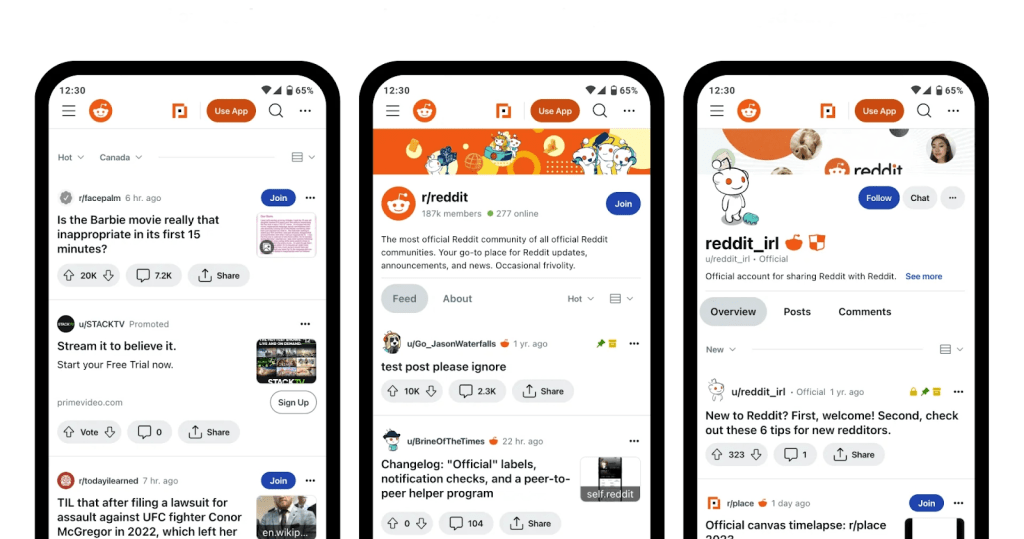
Businesses can create their Subreddits to build a community here.
Reddit offers several features that can be helpful for businesses as they can create their own subreddits to discuss their products or services. Then, they can utilize ads and choose the best time to post on Reddit to reach a wider audience. Also, join communities that are relevant to their business industry.
| Pros | Cons |
| – Facilitate diverse discussions and connections among millions of users. – Offer many niche communities catering to specific interests. – Provide a platform for anonymity, allowing users to express themselves freely. | – Foster toxicity through harassment and trolling occurring in particular communities. – Require time and effort to understand its culture for effective participation. |
11. Threads
Threads, a newcomer developed by the same team as Instagram, debuted in July 2023 to rival X. This, one of the most popular social media sites, is a messaging app from Instagram that allows users to share text, photos, videos, and location information with their closest friends.
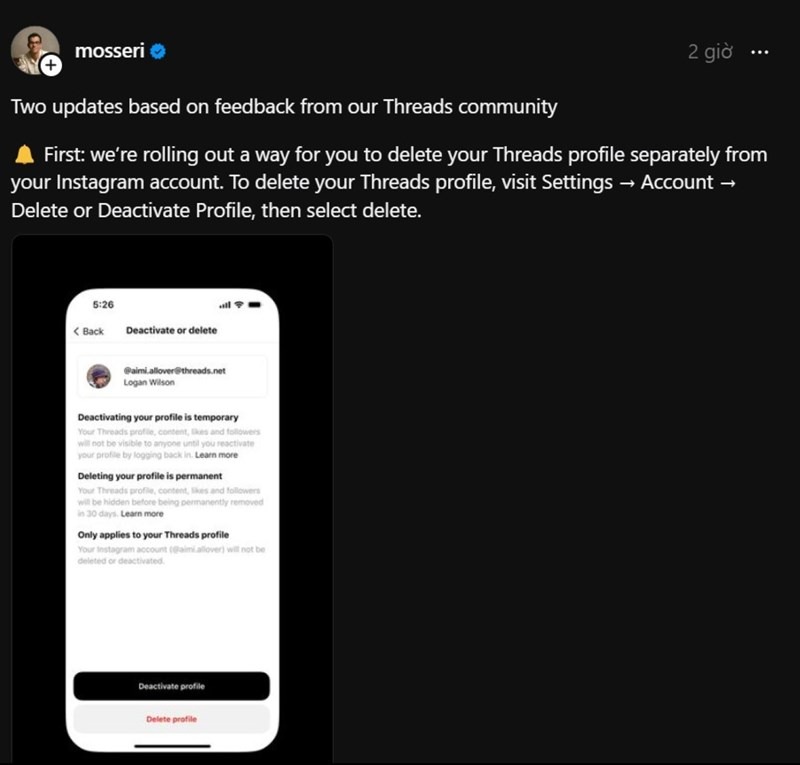
Threads is a great channel to get closer to your audience by sharing valuable information.
Due to its early stage, determining the ideal advertisers for Threads remains to be determined. However, it captivates users by fostering a positive community atmosphere, distinct from X’s often politicized environment.
| Pros | Cons |
| – Offer potential for rapid audience growth through Instagram integration. – Provide an alternative platform for brands seeking to diversify their social media presence | – Require users to have an Instagram account for registration. – Face challenges in retaining users beyond its initial surge in popularity. |
Learn more: 7+ Best Social Media Scheduling Tools
12. Snapchat
Snapchat is a social media app that allows users to share photos and videos, called Snaps, with friends. Snaps can be set to disappear after a certain amount of time after they are viewed, and users can also add text, filters, and Bitmojis to their Snaps.
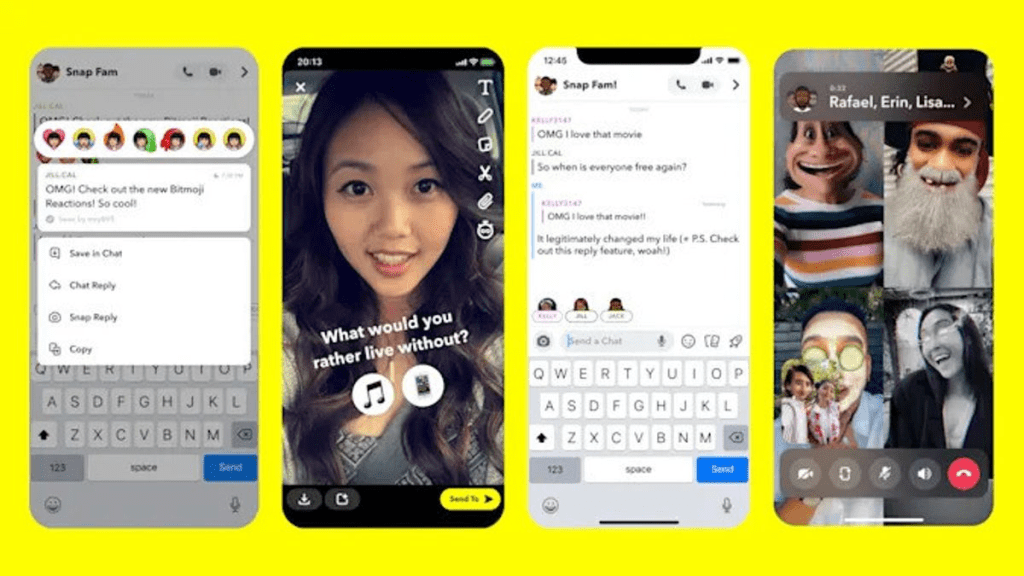
Creative Snaps bring more engagement to a brand.
Businesses can leverage Snapchat as a marketing tool by recognizing the unique audience and ephemeral nature of Snapchat. It allows them to promote products and build brand awareness through creative Snaps.
| Pros | Cons |
| – Facilitate authentic connections with younger audiences. – Offer a platform for user-generated content and influencer collaborations. – Provide a sense of privacy with ephemeral content. | – Limit reach compared to platforms like Instagram and TikTok. – Appeal to older demographics less than other social networks. |
13. Telegram
Telegram, a free messaging application, operates seamlessly across various devices without restrictions on media sizes. Notably, it offers a feature where messages can automatically vanish after a designated time, reminiscent of Snapchat’s functionality.

Telegram allows brands to share high-quality photos and videos with their customers.
An outstanding aspect of Telegram is its robust end-to-end encryption, ensuring privacy across all interactions, including chats, group conversations, and media exchanges. This heightened security has attracted a growing user base, particularly following concerns over WhatsApp’s privacy policy alterations allowing data sharing with Meta.
Telegram offers a robust platform for both casual and business users. It boasts large group messaging, location sharing, and customization options. Businesses also cater to B2B needs with functionalities like message deletion and channel broadcasting for audiences up to 200,000.
| Pros | Cons |
| – Support large group messages and media sharing without size limits. – Provide a self-destructive feature for messages, enhancing privacy. – Help businesses utilize chatbots and broadcast channels for marketing. | – Concern about the platform being used for illicit activities due to its privacy features. – Face regional limitations in adoption, impacting user reach. |
Learn more: Top 10 Mind-Blowing Social Media Advertising Trends To Watch
14. Discord
Discord offers a mix of text, voice, and video options, allowing users to switch between channels for real-time conversations. It revolves around servers where users gather based on shared interests, hobbies, gaming, or professional networks. This approach fosters a sense of belonging and more profound relationships among like-minded people.

Discord works perfectly in building a community for businesses.
Initially rooted in gaming, Discord caters to gamers with features like rich presence integration, screen sharing, and community-driven events. These gaming-focused functionalities enhance the gaming experience and promote camaraderie among players.
Additionally, Discord enables hosting live events within servers, such as “ask me anything” sessions or gaming tournaments. Leading brands leverage Discord by offering consumers access to premium channels and promoting repeat purchases.
| Pros | Cons |
| – Offer a versatile mix of text, voice, and video communication options. – Tailor features for gamers enhance the gaming experience. – Provide hosting of live events within servers to encourage engagement. | – Risk information overload due to numerous servers and channels. – Require moderation to manage potential conflicts and maintain a positive atmosphere |
15. Quora
Quora is a platform for social interaction through questions and answers across various subjects. Predominantly, its user demographic skews toward males, constituting around 61.4% of the total users, and a significant portion falls within the age bracket of 18 to 44 years, making up 77.9% of the user base.
However, note that Quora’s content is entirely user-generated, meaning the reliability of answers may vary. Users can vote on answers, indicating their perceived helpfulness and accuracy.

Brand should share their own opinions or answer related questions about their industry.
Businesses can utilize Quora not only for advertising but also for direct engagement with their audience. Quora is a platform built on user-generated content, so answer reliability can vary. Users vote on answers to indicate helpfulness and accuracy.
Avoid overly promotional content. Focus on establishing thought leadership in your niche. By being a knowledgeable and helpful resource, you build a reputation, increasing sales and revenue in the long run.
| Pros | Cons |
| – Provide access to a wide range of questions and answers on various topics. – Allow users to engage with a community of knowledgeable individuals. – Help businesses interact directly with customers and potential clients. | – Require time and effort to build credibility and reputation within the community. |
Frequently Asked Questions
- How Can I Increase My Followers On Social Media?
Increasing your followers on social media involves consistent engagement, posting high-quality content, and utilizing hashtags. Collaborating with influencers or other accounts in your niche and engaging with your audience by responding to comments and messages are also essential strategies for growth.
- What Is The Best Time To Post On Social Media?
The best time to post on social media can vary depending on your target audience and platform. However, generally, it’s recommended to post when your audience is most active, such as during lunch breaks, evenings, or weekends. You can also use social media analytics tools to determine the optimal posting times for your specific audience.
- How Do I Deal With Negative Comments Or Trolls On Social Media?
You should respond promptly, professionally, and empathetically. Acknowledge the issue, offer a solution or explanation where appropriate, and take the conversation offline if necessary. Sometimes, simply listening and showing understanding can defuse tension. However, if comments violate community guidelines or are abusive, hiding, deleting, or blocking the user is essential.
- What Impact Does Social Media Have On Mental Health?
Social media can have both positive and negative impacts on mental health. While it provides opportunities for connection, support, and self-expression, excessive use can lead to feelings of loneliness, anxiety, depression, and low self-esteem. Factors like cyberbullying, comparison, and the pressure to present a curated image can contribute to adverse mental health outcomes.