
Guest blogging is a straightforward yet powerful off-page SEO approach to specifically focus on attracting more traffic to your website.
It’s a win-win: you gain exposure to a new audience, and the host site enriches its content.
Ready to act on your off-page SEO strategy? Start with guest blogging now! Consult with ROI Digitally for immediate and tailored SEO solutions.
Whether you’re looking to share knowledge, expand your reach, or drive traffic to your own site, understanding what is guest blogging opens doors to diverse possibilities. Let’s our ROI expert dive deep into how it works.

What Is Guest Blogging & Why Is It Important?
Guest blogging, or guest posting, is a strategy where you write and publish a blog on another company’s website. The primary objective is to establish relationships within your industry, gain exposure for your brand, drive traffic to your site, position yourself as a thought leader, and potentially boost your Search Engine Optimization (SEO) through link building.

Understanding what is guest post blogging equally means you must know why this method is particularly important.
Both the guest bloggers and the host websites stand to gain from this practice. As a guest blogger, you can showcase your expertise on various platforms, enhancing your authority in your field.
On the other hand, the host website gets to offer fresh content and perspectives to its audience, keeping them engaged and returning for more.
Some marketers use guest blog posts to build backlinks for SEO, as these links can act as “votes of confidence,” possibly improving Google rankings. However, pay attention to the quality and relevance of these links to avoid any potential penalties from search engines.
4 Guest Posting Best Practices In 2024
- Target Relevant Websites
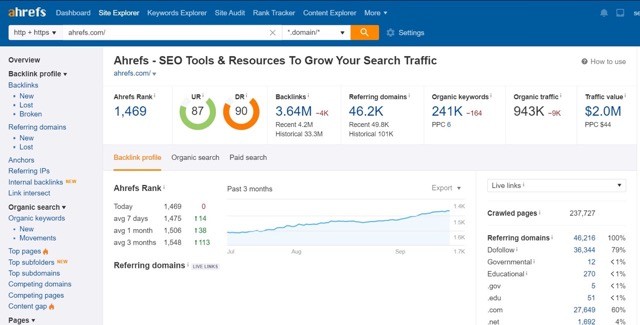
For effective guest blog posts, it’s crucial to pitch to websites that have an audience interested in your brand and content. Utilize tools like Ahrefs’ Content Explorer to find related sites. Input keywords related to your niche and use filters to exclude homepages and subdomains.
This will provide a list of potential sites that have published content related to your topic, increasing the likelihood of them being receptive to your pitch.
- Aim for High-Traffic Sites
The primary purpose of guest blogging is to increase your brand visibility and drive referral traffic to your website. However, this can only happen if the host site has significant traffic.
Therefore, aim to pitch to sites with substantial organic visits per month. Using the ‘Website Traffic’ filter in the Content Explorer tool, guest bloggers can identify high-traffic sites for their guest blog posts.
- Pitch to Multiple Sites
Given the number of guest post pitches most blogs receive daily, your pitch may not get a response. To improve your chances of getting published, pitch to several sites at once.
As a rule of thumb, for every guest post you wish to publish, pitch at least 5-10 sites. This increases your chances of approval and provides multiple options for publication.
- Effective Pitching
Your pitch should be direct and convincing when reaching out to potential host sites. Address it to the appropriate person, such as the owner, editor, or content director.
Your pitch should be able to answer these questions at least:
- Who you are
- The topic you want to write about
- Why you are qualified to write it.
See more: What is video marketing?
5 Tactics For A Successful Guest Blogging Strategy
Now that you have understood what is guest post blogging is a test-and-learn marketing strategy that can help you improve your brand’s online presence, generate quality backlinks, or in some cases, do broken backlinks, and drive traffic to your website.
However, creating a successful guest blogging strategy requires more than just writing an article for another website.
- Understanding Your Target Audience
Before you search for websites to pitch your guest posts, it is important to understand your target audience. This will help you identify the right blogs or websites that align with your audience’s interests and preferences.
When you clearly understand your target audience, you can create relevant and valuable content that resonates with them. This will increase the chances of accepting your guest post and help you attract more qualified leads to your website.

Suppose your target audience consists primarily of small business owners interested in improving their digital marketing strategies. You’ve identified that they favor posting content about SEO, social media, and email marketing content.
Knowing this, you pitch a guest post to a popular digital marketing blog that provides actionable tips and strategies for small businesses. For example, “5 Low-Cost Digital Marketing Tactics for Small Businesses” includes valuable insights into cost-effective strategies that small business owners can immediately implement. That’s what it means to tailor your content based on target audiences’ preferences.
- Researching Potential Guest Blogging Opportunities
Once you know who to target, it’s time to start researching potential websites for guest blog posts.
You can use search engines, social media, and guest blogging platforms to find relevant blogs and websites in your niche.
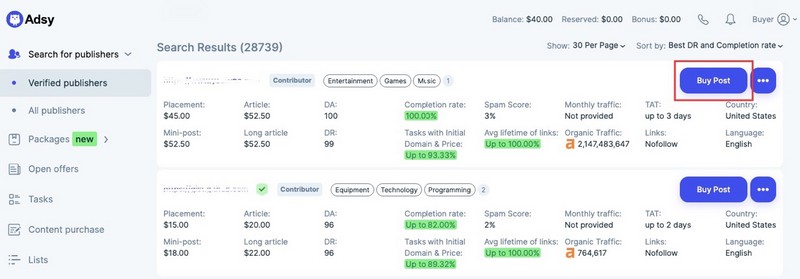
For instance, if your brand focuses on sustainable living and eco-friendly products, here are some websites you can refer to pitching your guest posts:
- Environmental educational institutes (GEEP, Research Gate,…)
- Fashion brands focusing on sustainability (Uniqlo,…)
- Eco-Friendly Home Goods Stores (Brightly, Our Place, Made Trade,…)
- Environmental community services (Earth Island Institute, WWF,…)
Make sure to thoroughly research each website before pitching your guest post idea. Look at their writing style, content quality, and audience engagement to ensure that it aligns with your brand’s image.
- Crafting a Compelling Pitch
A well-crafted pitch can make all the difference in accepting your guest post.
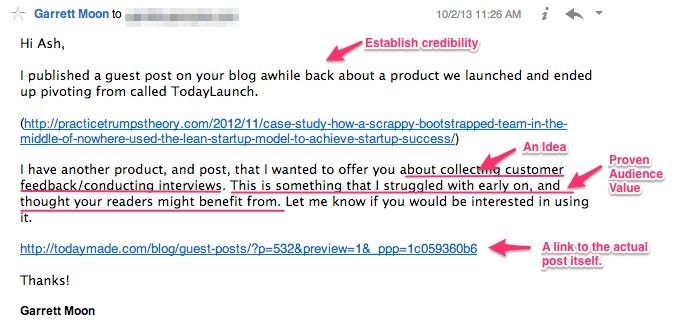
Start by addressing the website owner or editor through name or briefly introduce yourself and your brand. Then, clearly explain why your guest post would be a good fit for their website and how it can benefit their audience.
Include a catchy headline and a brief outline of your proposed content. Also, link your previous work or website to showcase your writing skills and expertise. Look at this example:
- Creating High-Quality Content
When writing your guest blog posts, quality is key.
Your guest post should be well-researched, informative, and engaging. When crafting your content, follow the website’s guidelines and tone. Use relevant examples, statistics, and visuals to support your points and make them more interesting for readers.
Don’t forget to include a call-to-action at the end of your post, whether it’s directing readers to your website or asking them to leave a comment.
For instance, if you’re writing a guest post about “The Impact of Urban Gardening,” you could include:
- Statistics on how urban gardening can reduce carbon emissions.
- Use visuals of successful urban gardens to inspire readers.
- Benefits of gardening on households.
- Conclude with a call to action encouraging readers to start their own urban garden: “Take action toward your garden now!” or “Visit <brand name> website for more tips on sustainable living.”
- Promoting Your Guest Post
Once your guest post is published, don’t just sit back and wait for the traffic to come. Make sure to promote your guest post on your own social media channels and website.
Tag the website where your guest post is published and use relevant hashtags to reach a wider audience. Engage with readers in the comment section and respond to any questions or feedback they may have.
For example, if your guest post about “Eco-Friendly Home Practices” is published on a popular sustainability blog, you could share the post on your Twitter account with a message like:
“Thrilled to share my latest piece on eco-friendly home practices with [Blog Name]! 🌱Check out how you can make your living space greener and more sustainable.
#Sustainability #EcoFriendlyLiving”
Make sure to engage with any comments or questions to encourage a community interested in sustainable living. This will drive more traffic to your guest post or build relationships with potential readers and customers.

By writing quality content for other websites, you reach a new audience that may not have known your brand before. Guest blogging can also help with SEO by providing high-quality backlinks to your website from reputable sources.
Remember that the more high-quality guest posts you write, the more exposure you will gain for your brand.
Frequently Asked Questions
What is the difference between a blog and a guest blog?
- Blog:
A blog is a regularly updated section on a website, usually run by an individual or a business, that’s written in an informal or conversational style. Blogs often share insights, opinions, or news on specific topics. The blog posts are typically written by the site’s owner, a dedicated team of writers, or employees within the company.
For example, if you own a website about healthy cooking, you might write blog posts about various recipes, cooking techniques, or nutritional advice. These posts would be considered your blog content.
- Guest Blog:
A guest blog, on the other hand, is a post written by someone who isn’t the usual content creator or website owner. This guest author could be an expert in a particular field, a partner, a customer, or a fan. Their post is published on the host’s blog, hence the term “guest blog.”
Continuing with the healthy cooking website example, if a nutritionist or a well-known food blogger writes a post for your site about the benefits of a certain diet, this would be considered a guest blog. Guest bloggers benefit from exposure to your audience, while your blog benefits from their expertise and potentially attracts followers.
Conclusion
In conclusion, guest blogging is a strategic approach to sharing your expertise on another’s platform, expanding your reach, and building relationships within your industry. It’s an effective way to increase visibility, improve SEO, and attract a new audience, making it an invaluable tool in your content marketing.