Every expert marketer understands that social media advertising trends change constantly. Strategies that once had good results may no longer effectively drive leads and conversions. Hence, keeping up with the latest tactics and trends is crucial to success online.
This post explores the top advertising trends on social media platforms in 2024. Read on to see how these crazes could strengthen your promotion strategy.
1. Short-Form Video Ads
Short-form videos are taking over the internet and show no signs of slowing down. They dominate as the top content marketing format, with most marketers believing in its highest return on investment (ROI). This format is mainly chosen by the younger generation, who prefer videos under one minute.
TikTok, a pioneer in short-form video content, has earned over 500M downloads on Google Play. Also, this application ranks #1 in the Entertainment category, with over 4 million ratings on Apple’s App Store. This popularity showcases users’ preference for bite-sized, engaging content.
The popularity of short-form videos increases due to their easy-to-consume nature. The growth of TikTok has prompted many social media platforms, including Meta, to change their strategies. According to eMarketer, by 2025, adults in the US are predicted to spend more time on TikTok than on Facebook.
The length of a short-form video can vary:
- Short-form videos on Facebook typically range from 60 seconds to 3 minutes in length.
- YouTube shorts have durations of 15 to 60 seconds.
- A TikTok video length spans from 15 seconds to 10 minutes.
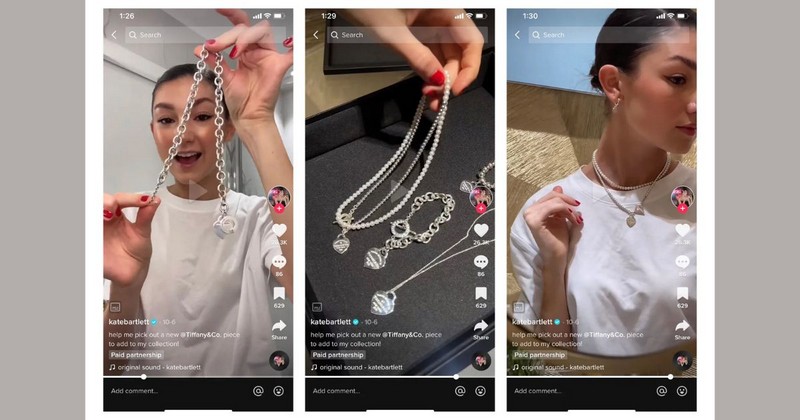
Another thing worth noting is vertical videos, such as those on Instagram Reels, Instagram Stories, Facebook Reels, TikTok, and YouTube Shorts, enjoy a higher watch completion rate than horizontal ones.
The popularity of short-form videos makes them always appear on your newsfeed and the most consumed content on the internet. Therefore, to succeed on social media and achieve the best results, utilizing short-form videos is crucial in 2024:
- When creating a short-form video strategy, ensure it adds value to viewers and aligns with your goals.
- Avoid unthinkingly following trends and focus on providing quality content with a clear call-to-action (CTA) to drive results.
- While exploring TikTok trends is beneficial, always consider your target audience, video objectives, posting platforms, and repurposing strategies.
2. Nano and Micro-Influencers
Social commerce, which means buying and selling products directly on social media, has become huge recently. Many experts predict it could be worth $80 billion in the US by 2025. Consumers can now enjoy the convenience of browsing brands’ social media profiles and making purchases directly on the platform.
When you think about people in social commerce, one of the first things that comes to mind is influencers. Across all platforms, influencers have a solid following, which means they can have greater reach than some businesses.
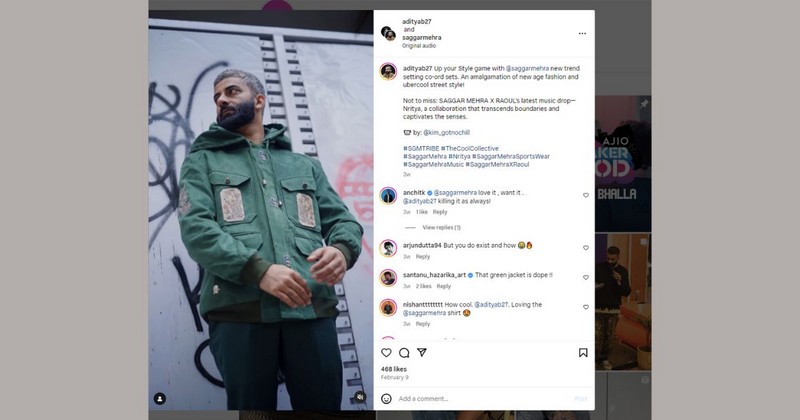
Due to the expansion of social commerce, partnering with nano and micro-influencers is now one of the latest social media advertising trends:
- Micro-influencers typically have a following ranging from 10,000 to 100,000.
- Nano-influencers have around 1000 to 10,000 followers.
| Pros | Cons |
| Smaller but more focused audiences allow brands to target specific demographics aligning with their business. | Nano- and micro-influencers typically have a smaller reach. As a result, you may not get the same level of exposure when working with them. |
| These influencers have solid connections and high engagement with followers, which increases their likelihood of converting followers into customers. | Smaller influencers may not have the same expertise in promoting brands and products so you may receive lower-quality content. |
| Working with small influencers is more affordable than working with larger influencers, making it a cost-effective choice for companies. |
Therefore, brands should carefully consider their goals and audience reach requirements when deciding whether to work with nano- and micro-influencers.
If you are a beginner in this aspect, consider which social platform you want to start with to leverage influencer partnerships effectively. Our recommendation is Instagram Reels. Last year, 53.7% of U.S. marketers used it for influencer marketing, making it a more popular platform for this purpose than TikTok and YouTube:

Although Reels follows behind traditional Instagram Posts, its growth rate is significant and may surpass main-feed posts this year.
Then, analyze potential collaborators within your industry niche on your preferred platforms. You need Key Opinion Consumers (KOCs) who create relevant content for your brand. These approaches will help your products or services reach more customers and improve conversion rates.
3. Narrow-Targeted Social Media Ads
PWC’s survey in June 2023 indicated that targeted advertising and promotions had captured the attention of 31% of respondents, with Gen Z showing a higher interest at 43%:
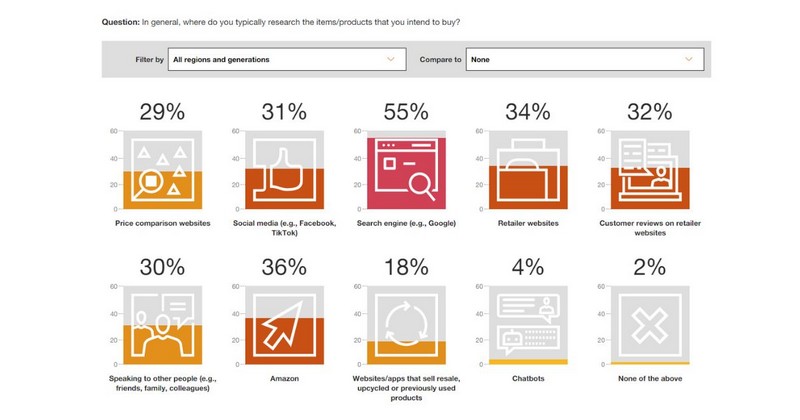
Regarding the types of ads influencing pre-purchase decisions, 37% of respondents prefer ads directly linking them to offers and promotions for their favorite brands or products. Additionally, about a third (34%) are attracted to sponsored ads on social media platforms.

These numbers indicate that this year’s key to successful social media ads is narrow-targeted ads. Therefore, you should tailor your advertising campaigns to specific users based on demographics, interests, behaviors, or other measures. This approach allows you to connect with and convert niche potential customers rather than a broad audience.
Here is a summarization table about the pros and cons of narrow-targeted social media ads:
| Pros | Cons |
| Tailored content ensures high relevance, boosting engagement and conversion. | Narrow targeting may miss potential customers outside defined parameters. |
| Targeting a smaller audience saves on ad spend by avoiding irrelevant users. | Repeated exposure to the same ads can lead to reduced effectiveness and annoyance. |
| Niche targeting results in better engagement metrics like likes, shares, and comments. | Managing multiple small campaigns can be time-consuming. |
| It provides detailed audience data for better ad strategies in the future. | Competition for niche audiences can drive up costs per click. |
So, while narrow targeting brings good engagement, it’s crucial to consider your budget, market saturation, and economic conditions. A good starting point is to retarget customer groups and find lookalike audiences.
Before choosing advertising strategies, answer these questions:
- What do you think about using user-generated content in social advertising?
- Who is your core audience?
- What are your most critical KPIs?
- Do you have a chance to create new or repurpose old engaging videos?
4. AI For Social Media Advertising
Over the past year, AI generators like ChatGPT, Bard, and Microsoft Bing have become big topics. They are now one of the fastest-growing trends in social media advertising.
A survey conducted by MITSloan disclosed that over 50% of the surveyed participants confirm that their businesses are either piloting or deploying AI (57%), have an established AI strategy (59%), and understand how AI can contribute to enhancing business value (70%).
If you wonder, “What type of content is trending on social media?” the answer is AI-generated content. The rise of AI has revolutionized the writing process and idea generation. By analyzing audience interests and engagement data, these tools can suggest relevant topics and generate creative content ideas tailored to your niche.
But AI’s role in social media advertising is more than that. It’s a game-changer for personalized content creation and ad management.
Tools like Adobe Target and BlueConic use machine learning to analyze customer data and craft personalized content experiences based on individual preferences and behaviors. Not only does this level of personalization increase engagement, but it also drives conversions by ensuring that content resonates with the intended audience on a deeper level.
Moreover, AI-driven ad management platforms, like Facebook, employ sophisticated algorithms to smartly target ads to specific user groups, maximizing their effectiveness. By understanding user behavior and preferences, these tools ensure that ads meet the right audience at the right time, boosting their impact and making your marketing efforts more worthwhile.

More than that, AI’s role in visual content creation is undeniable. AI tools are instrumental in creating eye-catching visuals on social media platforms that align with your brand’s style and messaging.
From automatically removing backgrounds to retouching images, AI-powered features enhance the visual captivation of your content, ensuring it stands out among other competitors.
An example of using AI in social media advertising is Facebook’s AI Sandbox:

The AI Sandbox is Facebook’s testing ground for new tools and features, including generative AI-powered ad tools. They’re developing tools to enhance ad content, including:
- Text Variation: Generates multiple text versions to highlight critical points in advertisers’ copy, enabling experimentation with different messages tailored to specific audiences.
- Background Generation: Creates background images based on text inputs, enabling advertisers to explore various backgrounds and diversify their creative assets quickly.
- Image Cropping: Adjusts creative assets to fit different aspect ratios across various surfaces, such as Stories or Reels, reducing the time and resources needed for repurposing creative assets.
Although AI-generated content offers pros like quicker creation, enhanced personalization, and cost efficiency, it also has drawbacks. A rising concern is the potential lack of creativity and authenticity. Besides, there are risks associated with errors, biases, and ethical considerations, so you must check thoroughly before publishing any AI-generated content.
5. Focusing on Brand Authenticity
Recently, many companies have shifted their focus towards transparency, accountability, and authenticity in their social media strategies. Many specialists predict that this trend will continue growing in 2024 and beyond due to these statistics:
- 86% of consumers prefer brands that have an authentic image.
- 84% of customers shop from brands that align with their values.
- 81% of shoppers have a preference for purchasing from brands they trust.
- 66% of customers choose transparency as one of the most appealing qualities of a brand.

These numbers are in Zippia’s report, showcasing why building brand authenticity is among the social media advertising trends.
Millions of people create and share content daily, making viewers increasingly disgusted with phony content and crave genuine interactions. As a result, the new generation of consumers seeks meaningful connections with brands that align with their values.
Also, from Zippia’s report, we know which factors make customers trust brands:
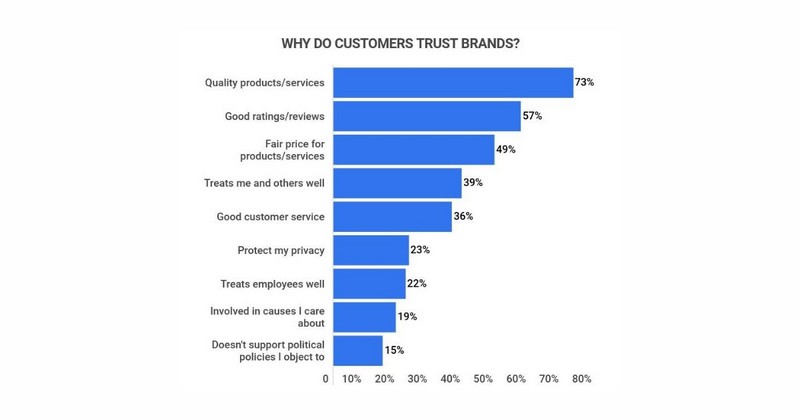
So, brands can convey authenticity in their advertising by tapping into the human experience. Here’s how brands can accomplish this:
| Strategy | Description |
| Personalized Messages | Sharing personalized messages from company leaders can humanize the brand name and build customer trust. These messages will convey the brand’s values, mission, and vision more authentically and relatable. |
| Honest Customer Reviews | Putting authentic customer reviews and feedback into advertising can significantly impact the audience’s brand perception. Feedback from satisfied customers will be social proof and validate the brand’s claims. |
| Storytelling | Whether highlighting the brand’s journey, showcasing customer success stories, or sharing impactful experiences, storytelling humanizes the brand and engages the audience deeply. |
| Transparency | Transparency about the brand’s practices, processes, and values showcases that you have nothing to hide and are committed to open communication with your audience. |
Let’s look at The North Face’s social media strategy to build brand authenticity and empathy. Their campaign “It’s More Than a Jacket” spread on numerous social media platforms, including YouTube, X (formerly Twitter), Facebook, Instagram, and TikTok.
Through this video, the brand showcases its jackets as more than protective layers—they are items tied to customer stories and memories. This campaign has gained 11 million views on YouTube, which showcases how customers love this campaign and brand.
Overall, maintaining your brand’s unique identity is vital regardless of your chosen approach. Whether your brand exudes humor or seriousness, stay true to your voice. That’s how you resonate with audiences and showcase your brand’s genuine self to attract like-minded consumers naturally.
6. “Edutainment” Content
The next in this list of social media advertising trends is “edutainment” content. This market has rapidly grown in recent years and is predicted to increase from $6.31 billion in 2023 to $7.32 billion in 2024, with an impressive annual growth rate (CAGR) of 16.1%.
Edutainment means blending education with entertainment, making learning engaging and enjoyable.
Typically, content creators use scenarios or skits to deliver information lively and interactively. It comes in various forms, including videos, podcasts, blogs, games, quizzes, live streams, and webinars, covering various topics from science and history to health, finance, and business.
Imagine you want to learn about opening a high-yield savings (HYS) account. While traditional methods involve reading dry articles, edutainment can deliver all the crucial information through a 1-minute video. Such content educates and entertains, making the subject more accessible and easier to remember.
Platforms like X, Instagram, and TikTok are seeing a surge in edutainment content. Its popularity comes from its ability to satisfy the demands and preferences of each social media user:
| Key Attributes | Description |
| Provides Valuable Knowledge | Edutainment content provides users with valuable skills, knowledge, or insights that can benefit them personally or professionally. It also helps them stay updated on current trends, issues, and opportunities in their areas of interest. |
| Sparks Curiosity And Interest | This content type sparks users’ curiosity and interest by presenting information creatively, captivatingly, and relatable. It often has storytelling, humor, emotion, or surprise to hook users’ attention and keep them engaged. |
| Encourages Engagement | Edutainment content encourages users to engage with the material and the creator by asking questions, sharing opinions, or taking action. It leverages social media features such as polls, stickers, reactions, or live chats to promote communication and participation. |
Let’s look at Erika Kullberg – a successful lawyer who runs a legal tech startup called Plug and Law. She’s famous on social media, with over 21 million followers on TikTok, Instagram, YouTube, Facebook, and Twitter.

Erika Kullberg uses her social media accounts to advertise her courses and business. Also, she partners with other brands to promote their products or services to her followers. As a result, she now has become a millionaire with unlimited chances.
However, creating effective edutainment content requires balancing education and entertainment. Here are some steps to help you succeed:
- Step 1: Understand your target audience’s demographics, interests, behaviors, and preferences to tailor your content accordingly.
- Step 2: Select a relevant and exciting topic and choose a format that suits both the topic and your audience’s consumption habits.
- Step 3: Add humor, storytelling, emotion, surprise, or gamification to make your content more engaging and enjoyable.
- Step 4: Use CTAs, questions, feedback requests, challenges, or incentives to motivate your audience to engage with your content.
7. Conversational Advertising
We must mention direct messaging (DM) platforms when discussing social media advertising trends.
Here are the most popular mobile messenger apps globally as of January 2024, ranked by the number of monthly active users.

Given the large user base on these apps, they serve as effective advertising channels. Using these channels and AI, conversational advertising engages consumers in more natural and personalized ways. Instead of inundating users with traditional banner ads, brands invite them to interact in conversational exchanges, enabling more profound connections.
One key advantage of conversational advertising is its capacity to boost engagement levels. Brands can now create personalized and interactive experiences, driving higher engagement rates and fostering stronger brand loyalty among consumers.
Additionally, as consumers engage with brands through these interfaces, brands gain insights into consumer preferences and behaviors. As a result, they can build more targeted and customized advertising campaigns.
We have a simple example of conversational advertising here:
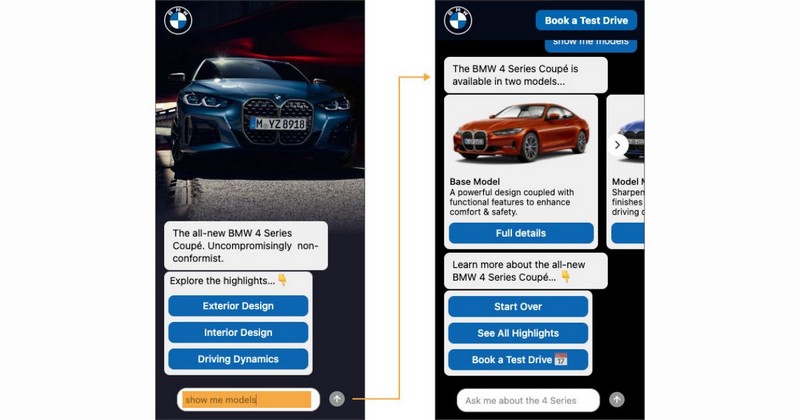
With the development of AI, conversational advertising takes you no time. We have automated conversations powered by machine learning and natural language processing. Its answers depend on “intents” as the foundational elements of interaction.
However, it’s crucial to note that messenger ads can feel intrusive if not managed well. Brands should create messenger ads with meaningful interactions to ensure the best outcomes. This involves crafting ads that blend into the user’s messaging experience and provide value or utility rather than simply pushing products or services.
One approach to getting this is to focus on ads that start conversations rather than interrupting them. Additionally, brands should personalize messenger ads to the individual preferences and interests of the user.
8. User-Generated Content (UGC)
Another trend many marketers use in social media ads is user-generated content. Unlike traditional brand promotion, UGC involves content featuring your products or brand, typically shared by users on social media platforms. Also, it can extend to online review platforms, forums, and similar channels.
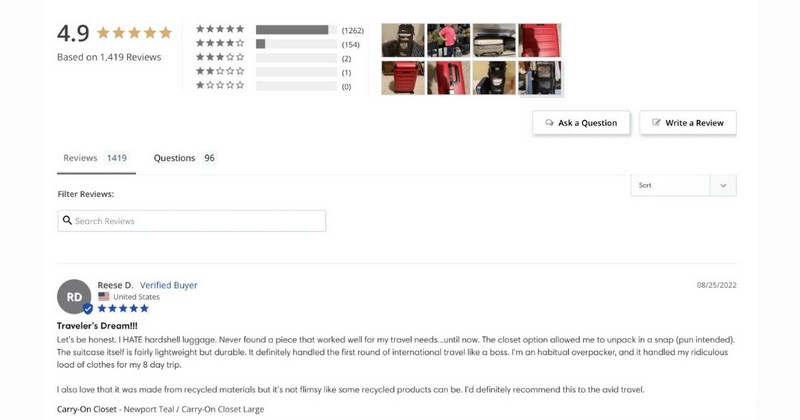
This content authentically presents your products through the lens of your audience. Besides that, UGC brings even more:
- It expands your brand reach across social media platforms by tapping into networks of individuals who may be unfamiliar with your brand.
- Putting your customers and employees at the forefront of your brand humanizes your marketing and sales efforts.
- UGC equals cost-effectiveness and maximizing return on investment (ROI) with content created by customers or employees.
PowerReviews revealed that in 2022, site visitors experienced a 3.8% increase in conversion when exposed to UGC. Moreover, visitors engaging with UGC convert at a rate 102.4% higher than average.
This statistic marks a slight increase from the 100.6% conversion lift observed in 2021. Refer to this chart for further information and details:

In response to this trend, some brands have shifted their focus to including UGC in their advertising efforts. It serves as the advertisement for the brand, often at no cost.
One real-life example is the Calvin Klein #MyCalvins campaign that debuted on Instagram. To appeal to a younger audience, Calvin Klein encouraged followers to fill in the blank “I ___ in #MyCalvins“ as a caption to their pictures wearing the brand.

The campaign gained viral momentum when both celebrities and regular customers participated. Calvin Klein established a #MyCalvins gallery where users could view all submitted photos, collecting an impressive 4.5 million interactions in just four months. Notably, celebrities like Justin Bieber joined without payment, contributing to the brand’s gain of over 3 million new Instagram followers.
The lesson learned is: If you want to capitalize on the UGC trend effectively, encourage your audience to share their product experiences organically.
You can motivate your audiences to share their product experiences on social media platforms by encouraging them to tag your business or use a specific hashtag in their posts. However, to ensure authenticity, avoid exerting too much influence on their content creation process.
9. Sustainability
Another statistic from Zippia’s report mentioned above is that 71% of customers prefer brands with a good environmental impact. One rising social media advertising trend you should know is the shift towards prioritizing “people and planet over profit.”
With the inrush of Gen Zers onto social platforms, there’s a noticeable change in the values and focus of social media audiences. Sustainability has emerged as a prominent topic on social platforms, driven by the growing concern among 82% of Gen Zers about the state of the planet.
Already, 72% of them have adjusted their behavior to lessen their environmental impact, making planet-conscious brands increasingly appealing.
Regarding sustainability, Ikea leads the pack with clever campaigns, such as displaying product prices unchanged since 2018 or promoting their new collection of sustainable furniture capsules. These campaigns have attracted widespread attention across social media platforms.

Not only did their sustainable social media campaign strategy raise awareness about vital issues, but it also left a lasting impression, prompting viewers to remember.
To succeed in this trend, you should embrace transparency by showcasing your business practices and sustainability efforts, such as:
- Share Behind-The-Scenes Content: Let’s show the inner workings of your business, from production processes to team dynamics, to showcase authenticity and build trust with your audience.
- Highlight Eco-Friendly Product Features: Whether you use recycled materials, reduce packaging waste, or follow energy-efficient practices, emphasize how your offerings contribute to a more sustainable future.
- Demonstrate A Commitment To Sustainability Values: You can set and achieve sustainability goals, join in environmental partnerships, and adhere to ethical sourcing practices.
10. AR And VR Ads
AR (Augmented Reality) and VR (Virtual Reality) are cutting-edge technologies that reshape reality:
- AR upgrades the real world by adding virtual objects or effects. It allows users to try various outfits or accessories and apply filters or stickers to their selfies.
- VR immerses users in entirely new worlds. It enables them to explore diverse locations or scenarios and engage in multiplayer gaming experiences.
These two technologies are still emerging as advertising tools, offering the potential to create highly engaging and immersive advertising experiences.
According to a survey from Ipsos and Google:
- Over 90% of Americans currently use or would consider using AR for shopping.
- 98% of people who have used AR while shopping reported finding it helpful.
- 43% of smartphone shoppers expect all beauty brands to combine AR into their shopping experiences.
Further, the VR advertising market is forecasted to reach a revenue of US$174.0 million by 2024 globally. With an estimated annual growth rate (CAGR 2024-2028) of 1.46%, experts expect the market volume to increase to US$184.4 million by 2028.
VR and AR can revolutionize marketing campaigns by offering personalized advertising experiences. You can now create tailored VR and AR content that resonates with individual customers by accessing user data and preferences.
Integrating VR and AR in social media advertising trends helps brands stand out from the competition and set a unique brand identity. It showcases a brand’s commitment to innovation and customer satisfaction, ultimately fostering a competitive edge in the market.
Additionally, VR and AR content is highly shareable, as users are more inclined to share immersive experiences with their networks. Marketers can utilize this social sharing behavior to extend the reach of their campaigns and build favorability.
To explain, we have an example of BMW’s AR ads on Facebook:

The results were striking, with a significant increase in brand familiarity and favorability:
- By using AR ads alongside regular video ads, the company earned a 9-fold increase in familiarity with BMW electric and hybrid models compared to running video ads alone.
- AR ads contributed to a 40% unique reach, showcasing the value of offering a novel shopping experience to engage new customers and expand the audience’s reach.
- Combining AR ads with standard video ads led to a 53% greater favorability towards the BMW brand than running video ads alone.
These results emphasize the effectiveness of combining AR into advertising strategies to drive brand recognition and engagement.
With different objectives and resources, you can leverage AR and VR for social media advertising in various ways:
- Enhance your content by using existing features like Instagram’s AR filters, Facebook’s 360-degree photos and videos, or Snapchat’s lenses and spectacles.
- Create AR and VR content using tools like Spark AR Studio, Lens Studio, or Adobe Aero for greater customization and control.
- Collaborating with AR and VR experts, such as agencies, influencers, or developers, can be advantageous for creating more sophisticated content.
- Test and optimize AR and VR content across different devices, platforms, and scenarios to ensure compatibility, accessibility, and user-friendliness.
Trending Social Media Platforms
When deciding which social media advertising trends to follow, you must know where your audiences spend their time and engage most frequently. Trying to advertise on all platforms will only waste your resources.
So, the first step is finding the key platforms to concentrate on to ensure that you invest your advertising budget in the most relevant and popular channels. Follow this list of rising social media platforms to make the right choice:
Facebook is still the most prominent social media application globally, with an impressive user base of around 3 billion worldwide:

Monthly user of social media platforms (Source: Business of Apps)
The best thing about Facebook is its sophisticated targeting features, enabling users to craft highly personalized ad experiences. Among the ad formats offered by Facebook, investing in Facebook Reels is expected to deliver robust outcomes for advertisers in the year ahead. Other effective ad formats on Facebook include:
- Image and video ads
- Carousel ads
- Collection ads
- Instant experiences
TikTok
With 1.7 billion monthly active users in 2023, TikTok continues to dominate as one of the most significant social media platforms of 2024, especially among younger users:

As of 2024, TikTok will prove crucial for brands aiming to engage with Gen Z audiences through concise, creative videos. Moreover, TikTok is expected to play a more prominent role in social commerce, with features like the widely used #TikTokMadeMeBuyIt hashtag and TikTok Live Shopping becoming essential tools in your social media advertising campaigns.
Instagram remains extremely popular, and its momentum shows no signs of waning, particularly with the growth of Instagram Reels and Instagram Reels ads.
As Reels continue to dominate users’ feeds in 2024, brands should seize the opportunity to leverage this trend for showcasing products and services through creative and captivating short-form videos.
For Gen Z, Instagram is the premier social commerce platform. They spend around 12 hours per month on the app. Hence, more companies will use Instagram video ads to drive engagement and sales.
Threads
Threads is the latest app built by the Instagram team as a competitor to X (formerly Twitter). It surpassed 1 million users at lightning speed – only 1 hour. In less than 24 hours, Meta CEO Mark Zuckerberg announced that Threads had amassed 30 million users.
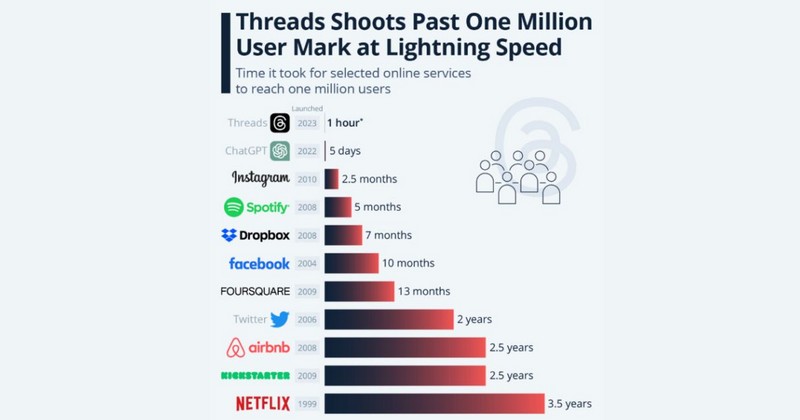
Threads offers a dedicated platform for self-expression, fostering meaningful conversations, and connecting with like-minded individuals. Users can easily log in with their trusted Instagram accounts, personalize their profiles, and connect with a vibrant community.
Building an engaged and respectful community requires extra time and effort, but it does not guarantee success. However, integrating Threads, especially if you and your customers already have an Instagram account, is worth considering.
By linking the two platforms, users can easily promote them and maintain consistent branding by sharing the same bio and profile images.
LinkedIn is now one of the most sought-after social media platforms for B2B advertising, reaching its vast user base of over 900 million globally.
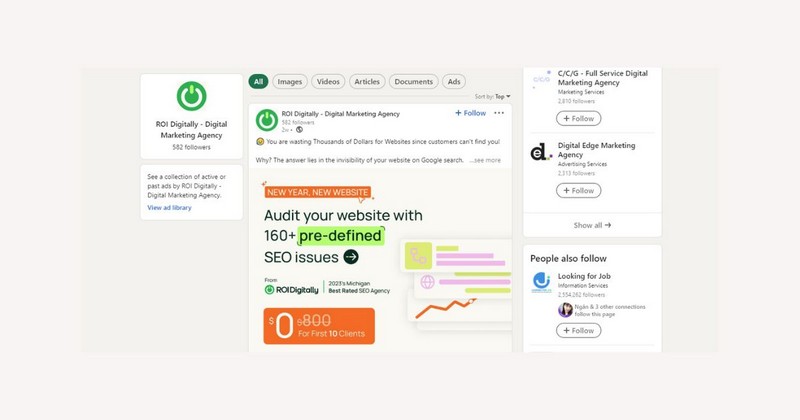
However, there may be a notable change in the type of B2B content that resonates most on the platform. Instead of generic and impersonal advertising, LinkedIn users are moving towards authentic personal narratives and valuable, informative content.
Effective B2B content on LinkedIn now includes case studies, informative resources, and visually engaging content that humanizes your brand and connects with your customers.
Final Thoughts
As we move through 2024 and beyond, there are numerous social media advertising trends to follow. While staying current on these trends is crucial, remember to focus on tactics driving real conversions. Each business has its unique audience, so always prioritize the needs and preferences of your social media users when crafting your ad campaigns.
If staying updated and making choices make you feel daunting, ROI Digitally is here to help. With a team of dedicated experts, we will manage your social media advertising campaigns effectively on your behalf.

Jeng Nguyen has nearly 10 years of experience ranging from project management, operations, business development, customer service, content creation, video production, photography, website development, social media marketing, email marketing, advertising, SEO and sales.
Well-known as an ace Digital Marketing expert throughout various industries in Vietnam, Australia and the USA - Jeng is known for the success rate that he achieves whilst finding solutions tailored best for each unique business.
Jeng's mission is to revolutionize customer experience, starting with the journey of Attraction - Interest - Desire – Action. Together with a multi-expertise team at ROI Digitally, Jeng aims to provide businesses unprecedented breakthroughs in Return-on Investment from their customers.